We’re reader-supported. This means when you buy through links on our site, we may earn an affiliate commission.
Anyone who has walked into a gym for the first time knows the feeling of standing in front of rows of machines, free weights, and cables, wondering where to even begin.
Choosing the right gym is one of the most important decisions a person can make when starting or continuing a muscle building journey. The environment, equipment, and overall atmosphere of a gym can either support consistent progress or quietly work against it.
This article breaks down what actually makes a gym great for building muscle, the types of gyms available, and how to choose one that fits individual goals, budget, and lifestyle.
Why the Right Gym Matters for Muscle Growth
Muscle building is not just about lifting heavy things. It is a long term process that depends on consistency, proper equipment, recovery, and motivation. A gym that lacks the right tools or feels uncomfortable can quietly discourage someone from showing up regularly, and inconsistency is one of the biggest reasons people fail to see results.
The best gym for muscle building supports three key pillars:
- Access to the right equipment for progressive overload
- An environment that encourages consistency and focus
- Enough space and availability to train without constant interruptions
When these three pillars are in place, building muscle becomes far more achievable, even for beginners.
Key Features of a Great Muscle Building Gym
A Wide Range of Free Weights
Free weights such as barbells, dumbbells, and kettlebells are the backbone of any serious muscle building program. They allow for compound movements like squats, deadlifts, bench presses, and overhead presses, which recruit multiple muscle groups at once and are proven to build strength and size efficiently.
A gym worth its membership fee should have:
- A dedicated squat rack or power rack area
- Dumbbells ranging from light to heavy, ideally in small increments
- Olympic barbells and a variety of weight plates
- Enough benches for pressing movements
Machines for Isolation and Safety
While free weights build raw strength, machines play an important supporting role. They allow lifters to isolate specific muscles, which is especially useful for beginners still learning proper form, or for anyone working around an injury.
Good muscle building gyms typically include:
- Leg press and leg extension machines
- Lat pulldown and seated row machines
- Chest press and pec deck machines
- Cable stations for versatile isolation work
Enough Space and Equipment Availability
One of the most overlooked factors is simply having enough equipment to avoid long waits. A gym might have excellent machines, but if there are only two squat racks for two hundred members, progress can be slowed by constant waiting during peak hours.
Cleanliness and Maintenance
Torn cables, wobbly benches, or broken machines are more than just an inconvenience. They can lead to injury and interrupt training momentum. A well maintained gym reflects a business that takes its members seriously.
Knowledgeable Staff and Trainers
Especially for beginners, having access to trainers who understand proper form and program design can make a significant difference. Even for experienced lifters, staff who can offer guidance on technique or spotting during heavy lifts add real value.
Types of Gyms and How They Compare
Not all gyms are built the same, and the best choice often depends on personal goals and preferences. Below is a comparison of common gym types to help clarify the differences.
| Gym Type | Best For | Typical Equipment | Atmosphere |
|---|---|---|---|
| Commercial Big Box Gym | Beginners and general fitness | Wide variety of machines and cardio | Busy, mixed crowd |
| Powerlifting or Strength Gym | Serious strength and muscle focus | Heavy free weights, racks, platforms | Intense, focused |
| CrossFit or Functional Gym | Athletic performance and conditioning | Kettlebells, rigs, functional tools | Group based, high energy |
| Boutique or Studio Gym | Guided classes and structure | Limited equipment, class based | Motivational, social |
| Home Gym | Convenience and privacy | Depends on personal investment | Quiet, self directed |
Each of these gym types can support muscle building, but the right one depends on how a person prefers to train and what kind of environment keeps them motivated.
Commercial Gyms: The All Around Option
Commercial gyms, often large chains, tend to offer the widest variety of equipment under one roof. They usually include free weights, machines, cardio equipment, and sometimes group classes or pools.
These gyms work well for people who want flexibility in their training style or who are still figuring out what type of workouts they enjoy. The downside can be overcrowding during peak hours, especially in the evenings after work.
Strength Focused Gyms
For those serious about building muscle and strength, a gym that specializes in strength training or powerlifting can be ideal. These gyms typically prioritize squat racks, deadlift platforms, and heavy dumbbells over cardio machines or group fitness studios.
The atmosphere in these gyms tends to be more focused, with fewer distractions and a community of people who take training seriously. This can be motivating for someone who wants to be surrounded by like minded lifters.
CrossFit and Functional Training Gyms
CrossFit style gyms combine strength training with conditioning and often incorporate kettlebells, gymnastics rings, and Olympic lifting platforms. These gyms can build muscle effectively, especially for people who enjoy variety and group workouts.
However, the group class format may not offer the same level of individualized programming that a dedicated muscle building routine requires, so this option works best for those who enjoy structured group energy over solo lifting.
Home Gyms: Building Muscle Without Leaving the House
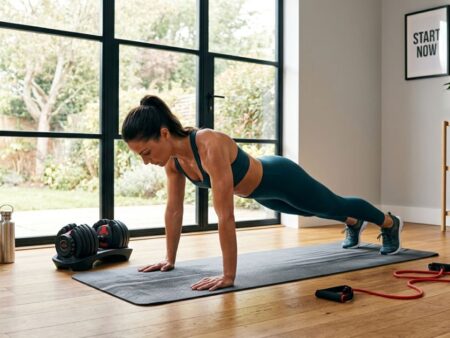
Not everyone wants or needs a commercial gym membership. A well equipped home gym can absolutely support serious muscle building, especially for those who value privacy, flexibility, and long term cost savings.
What a Home Gym Needs
To build muscle effectively at home, a few key pieces of equipment go a long way:
- An adjustable bench
- A barbell and weight plates
- A squat rack or power cage
- A set of adjustable dumbbells
- Resistance bands for accessory work
Pros and Cons of Training at Home
Home gyms offer convenience, but they come with tradeoffs compared to commercial options.
- No waiting for equipment or dealing with crowds
- Full control over cleanliness and setup
- Requires upfront investment in equipment
- Limited variety compared to a full commercial gym
- Less social motivation from being around other lifters
For many people, a hybrid approach works well, using a home gym for convenience on busy days and a commercial gym for variety and heavier equipment when needed.
How to Choose the Best Gym for Personal Goals
Choosing the best gym is not a one size fits all decision. It depends on individual goals, schedule, and personality. A few questions can help guide the decision:
- Does the gym have the specific equipment needed for a chosen training style
- Is it open during hours that fit a realistic schedule
- Is the location close enough to avoid becoming an excuse to skip sessions
- Does the atmosphere feel motivating rather than intimidating
- Is the membership cost sustainable long term
Trial Visits Matter
Most gyms offer free trial passes or day visits. Taking advantage of these visits before committing to a membership is one of the smartest steps anyone can take. It allows a person to check equipment availability, crowd levels, cleanliness, and overall vibe firsthand.
Common Mistakes People Make When Choosing a Gym
Many people choose a gym based on price alone or because it is the closest option, without considering whether it actually supports their training goals. Some common mistakes include:
- Signing a long term contract before trying a trial session
- Choosing a gym without checking peak hour crowd levels
- Ignoring the availability of key equipment like squat racks or heavy dumbbells
- Picking a gym based on trends rather than personal training style
- Overlooking travel time, which often leads to skipped workouts
Avoiding these mistakes can save both money and frustration down the line.
Consistency Is the Real Deciding Factor
At the end of the day, the best gym for muscle building is the one a person will actually show up to consistently. Even the most advanced facility with state of the art equipment will not produce results if it is skipped week after week. A simple gym that is convenient, comfortable, and motivating will always outperform a fancy gym that gets neglected.
Muscle building is a long game built on repeated effort, proper training splits, adequate nutrition, and recovery. The gym itself is simply the environment that supports that process. Choosing a space that feels right, offers the necessary equipment, and fits naturally into daily life is the true foundation of long term success.
Final Thoughts
There is no single perfect gym that works for everyone. Some people thrive in busy commercial gyms filled with energy and variety. Others prefer the quiet focus of a strength specific facility, the community feel of a CrossFit box, or the total privacy of a home setup. What matters most is finding a space with the right equipment, a comfortable atmosphere, and a location that fits real life.
By focusing on equipment quality, space availability, cleanliness, and personal comfort, anyone can find a gym that supports steady, long term muscle growth. The best gym is not necessarily the biggest or most expensive one. It is the one that turns training into a sustainable habit.
Disclaimer: The information provided on this website is for educational and informational purposes only and is not intended as medical advice. Always consult a qualified healthcare professional before starting any exercise program, changing your diet, or using supplements.