We’re reader-supported. This means when you buy through links on our site, we may earn an affiliate commission.
Anyone who has walked into a gym and noticed someone confidently guiding a client through a workout has probably wondered what it would take to get that same kind of support.
Personal training has become one of the most popular ways for people to reach their fitness goals faster, whether that means building muscle, losing fat, improving mobility, or simply learning how to use equipment correctly. But before signing up, most people want to know one thing first: how much does personal training actually cost?
The truth is that personal training prices vary widely depending on location, experience level, session length, and the type of training format chosen. This article breaks down everything someone needs to know about personal training costs so they can budget properly and choose the right option for their goals.

Average Cost of Personal Training
On average, personal training sessions in the United States range between $40 and $120 per hour. However, this number can swing higher or lower depending on several factors. In big cities like New York or Los Angeles, rates often climb to $100–$200 per session because of higher demand and cost of living. In smaller towns or suburban areas, sessions may cost as little as $30–$60.
Here is a general breakdown of what people can expect to pay based on training format:
| Training Type | Average Cost Per Session | Notes |
|---|---|---|
| Group Training (3–6 people) | $15–$40 | Shared cost, less individual attention |
| Semi-Private Training (2–3 people) | $30–$60 | Balance of affordability and attention |
| One-on-One Personal Training | $50–$120 | Fully customized workouts |
| Online/Virtual Coaching | $20–$100 per month | Programs, check-ins, no in-person supervision |
| Elite or Celebrity Trainers | $150–$300+ | Often includes nutrition and lifestyle coaching |
These numbers are just averages, and actual pricing depends heavily on the trainer’s experience, certifications, and the gym or studio they work out of.
Factors That Affect Personal Training Costs
Personal training isn’t priced the same everywhere, and understanding what drives the cost up or down can help someone make a smarter decision.
Trainer Experience and Certification
A brand-new trainer fresh out of a certification course will typically charge less than someone with ten years of experience and a specialized degree in exercise science. Trainers who hold advanced certifications, work with athletes, or specialize in corrective exercise or rehabilitation often charge premium rates because of the added expertise they bring.
Location
Where someone lives plays a huge role in pricing. Gyms in metropolitan areas have higher overhead costs, which gets passed on to clients. Rural or suburban gyms tend to be more affordable simply because rent, utilities, and demand are lower.
Session Length and Frequency
Most personal training sessions run 30 to 60 minutes. Shorter sessions are cheaper per visit but may cost more per minute. Buying sessions in bulk, such as a 10 or 20 pack, usually brings the per-session price down significantly compared to paying one at a time.
Type of Facility
Training at a big-box commercial gym is often cheaper than training at a boutique studio or a private training facility. Boutique studios tend to offer more personalized attention, nicer equipment, and a more exclusive environment, which comes with a higher price tag.
In-Person vs Online Coaching
Online personal training has grown massively in popularity because it tends to be far more affordable. Instead of paying for a trainer’s time and physical presence, clients pay for a customized program, ongoing check-ins, and remote accountability. This can cost anywhere from $20 to $100 a month, making it one of the most budget-friendly ways to get professional guidance.
Breakdown by Package Type
Most trainers and gyms offer different pricing structures depending on how someone wants to commit. Understanding these options can help avoid overspending.
- Single Session Pricing: Best for people who want to try training before committing. Usually the most expensive per session.
- Monthly Packages: A set number of sessions per month, often with a small discount compared to single sessions.
- Bulk Session Packs: Buying 10, 20, or 50 sessions at once. This is usually the cheapest per-session rate but requires upfront payment.
- Hybrid Coaching: A mix of in-person sessions and online programming, often priced between fully virtual and fully in-person rates.
Is Personal Training Worth the Cost?
Many people hesitate to invest in personal training because of the price tag, but it’s worth looking at what someone is actually paying for. A good trainer provides more than just a workout plan. They provide accountability, proper form correction to prevent injury, motivation on hard days, and a program tailored to specific goals rather than a generic template found online.
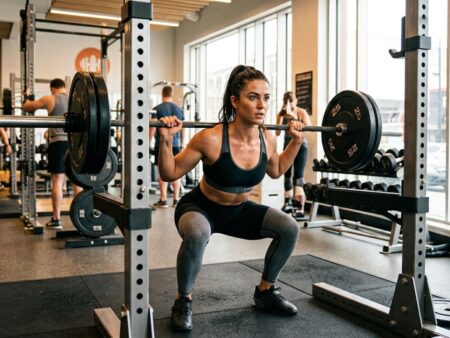
For beginners especially, even a handful of sessions can be valuable. Learning proper form on squats, deadlifts, and other compound lifts early on can prevent bad habits that are hard to break later. Many people find that investing in just a few sessions to learn the basics, then transitioning to independent training, offers the best value for their money.
When Personal Training Pays Off
- Someone is completely new to the gym and doesn’t know where to start
- Recovering from an injury and needs guided, safe progression
- Training for a specific event like a competition or wedding
- Stuck at a plateau and needs a fresh approach
- Struggles with motivation and consistency on their own
When It Might Not Be Necessary
- Someone already has years of training experience and knows proper form
- Budget is extremely tight and other essentials come first
- They prefer self-guided learning through reputable programs and videos
Ways to Save Money on Personal Training
Personal training doesn’t have to break the bank. There are several ways to get expert guidance while keeping costs manageable.
- Buy in bulk. Purchasing a package of sessions almost always reduces the per-session cost compared to paying one at a time.
- Consider semi-private training. Splitting the cost with a friend or training partner cuts the price significantly while still offering personalized attention.
- Look into online coaching. Virtual programs are often a fraction of the cost of in-person sessions and still provide structure and accountability.
- Ask about introductory offers. Many gyms offer a free or discounted first session to attract new clients.
- Train during off-peak hours. Some trainers offer lower rates for sessions during less popular times of day.
- Use training as a starting point, not a permanent plan. A short block of sessions to learn form and programming basics can set someone up to train independently afterward.
Questions to Ask Before Hiring a Personal Trainer
Before committing to a trainer, it helps to ask a few important questions to make sure the investment is worthwhile.
- What certifications do you hold, and are they from a nationally recognized organization?
- Do you have experience working with clients who have similar goals or limitations?
- What does a typical session look like, and how do you track progress?
- Is nutrition guidance included, or is that a separate service?
- What is your cancellation and rescheduling policy?
Asking these questions upfront can prevent misunderstandings about pricing and expectations down the road.
Personal Training vs Other Fitness Investments
It can help to compare personal training costs against other common fitness expenses to put things in perspective.
| Fitness Option | Average Monthly Cost |
|---|---|
| Basic Gym Membership | $10–$50 |
| Boutique Fitness Classes (unlimited) | $100–$250 |
| Online Coaching Program | $50–$150 |
| Weekly In-Person Personal Training (4 sessions/month) | $200–$500 |
| Twice-Weekly In-Person Training (8 sessions/month) | $400–$900 |
When looked at this way, personal training tends to sit at the higher end of fitness spending, but many people find the results, safety, and structure worth the extra cost, especially in the beginning stages of their fitness journey.
Final Thoughts
Personal training costs vary widely based on location, trainer experience, session format, and how many sessions someone commits to at once. On average, people can expect to pay anywhere from $30 to $120 per session for in-person training, with online coaching offering a more affordable alternative starting around $20 to $100 per month.
The real question isn’t just how much personal training costs, but what value it brings. For beginners, people recovering from injury, or anyone who struggles with consistency, a trainer can provide guidance that pays off in results, safety, and confidence. For those with more experience, occasional sessions to break through plateaus or refine technique can still be a smart investment.
Ultimately, the best approach is to set a budget, decide on a training format that fits both goals and finances, and remember that consistency, whether guided by a trainer or done independently, is what leads to real progress in the gym.
Disclaimer: The information provided on this website is for educational and informational purposes only and is not intended as medical advice. Always consult a qualified healthcare professional before starting any exercise program, changing your diet, or using supplements.