We’re reader-supported. This means when you buy through links on our site, we may earn an affiliate commission.
When stepping into a gym for the first time, or even after years of training, one question keeps coming up among fitness enthusiasts: are machines or free weights better for muscle growth?
The answer is not as black and white as most people hope. Both training tools have earned their place in the gym, and understanding how each one works can make a significant difference in how effectively someone builds muscle, whether they are training in a commercial gym or setting up a home workout space.
Understanding the Basics
Before diving into the comparison, it helps to understand what each option actually involves.
Free weights include any weight that is not fixed to a machine. This covers barbells, dumbbells, kettlebells, and weight plates. They require the lifter to control the movement in all planes of motion.
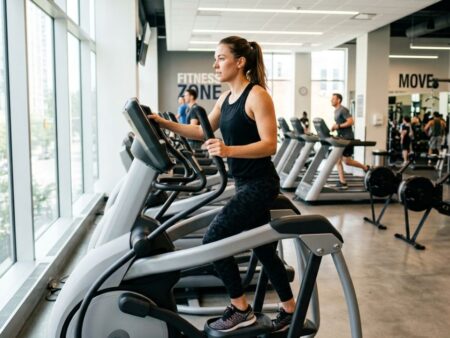
Machines are fixed pieces of equipment that guide the movement along a predetermined path. This includes cable machines, leg press machines, chest press machines, lat pulldown stations, and more.
Both tools load the muscles with resistance, which is the fundamental driver of muscle growth, also known as hypertrophy. The real differences lie in how they achieve that load and what additional demands they place on the body.
How Muscle Growth Actually Works
To make sense of the debate, it is worth briefly revisiting the science of hypertrophy. Muscles grow when they are exposed to sufficient mechanical tension, metabolic stress, and muscle damage. Progressive overload, which means gradually increasing the demands placed on a muscle over time, is the cornerstone of any effective muscle-building program.
Both machines and free weights are capable of delivering progressive overload. The question is which one does it more effectively for different muscles, goals, and training contexts.
The Case for Free Weights
Free weights have been the backbone of bodybuilding and strength training for over a century. There are good reasons why serious lifters keep coming back to the barbell and dumbbell rack.
Compound Movements and Total Muscle Activation
Free weights allow for natural, multi-joint movements that recruit multiple muscle groups at once. The barbell squat, for example, works the quads, hamstrings, glutes, lower back, and core all in a single movement. The bench press hits the chest, shoulders, and triceps simultaneously. This kind of compound loading creates a significant hormonal and muscular response.
Stabiliser Muscle Recruitment
Because free weights are not fixed to a track or cable system, the body must constantly stabilise the load. This means smaller stabiliser muscles, such as the rotator cuff in the shoulder or the muscles along the spine, are engaged throughout the movement. Over time, this builds a more balanced and functional physique.
Range of Motion Flexibility
With free weights, the lifter can adjust the range of motion naturally to suit their individual body mechanics. Someone with longer femurs can widen their squat stance; someone with longer arms can adjust their grip width on a bench press. This customisation makes free weights highly adaptable.
Transfer to Real-World Strength
The strength built with free weights tends to transfer more effectively to everyday activities and athletic performance. Because free weight movements mimic natural movement patterns, the neuromuscular adaptations are broad and functional.
Benefits of Free Weights at a Glance
- Recruit stabiliser muscles for balanced development
- Allow compound, multi-joint exercises for greater hormonal response
- Offer more movement variability and adaptability
- Build functional strength that transfers to sport and daily life
- Generally more affordable for home gym setups
- Provide a wide variety of exercises with minimal equipment
The Case for Machines
Machines are often unfairly dismissed as being only for beginners or for people who do not know what they are doing. In reality, machines offer several distinct advantages that even advanced bodybuilders rely on regularly.
Isolation and Targeted Muscle Development
Machines excel at isolating specific muscles. The leg extension machine, for example, targets the quadriceps with almost no involvement from the glutes or hamstrings. For bodybuilders trying to bring up a lagging muscle group, this kind of precision is invaluable.
Safer Loading for High-Volume Training
Because the movement path is guided, machines allow lifters to push closer to failure with less risk of injury. There is no need to worry about the weight falling in the wrong direction or stabilisers giving out before the target muscle is fully fatigued. This makes machines particularly useful for high-rep, high-volume work.
Consistent Tension Throughout the Range of Motion
Many machines, especially cable-based equipment, maintain tension on the muscle throughout the entire movement. A cable crossover keeps the chest under load even at the contracted position, whereas a dumbbell fly loses tension at the top. This consistent tension can be beneficial for maximising hypertrophic stimulus.
Accessibility for Beginners and Those Recovering from Injury
For people new to training or returning from an injury, machines provide a controlled environment to build strength and muscle without the technical demands of free weight exercises. The guided path reduces the likelihood of poor form that could lead to injury.
Benefits of Machines at a Glance
- Allow precise isolation of target muscles
- Enable safer training close to muscular failure
- Maintain consistent tension throughout the range of motion
- Lower technical barrier, making them accessible to beginners
- Useful for injury rehabilitation and working around joint issues
- Reduce injury risk during high-volume training blocks
Head-to-Head Comparison
| Factor | Free Weights | Machines |
|---|---|---|
| Muscle Isolation | Moderate | High |
| Stabiliser Recruitment | High | Low |
| Beginner Friendliness | Moderate | High |
| Injury Risk (when fatigued) | Higher | Lower |
| Functional Strength Transfer | High | Moderate |
| Consistent Muscle Tension | Varies | High (especially cables) |
| Exercise Variety | Very High | Limited per machine |
| Cost for Home Gym | Lower | Higher |
| Compound Movement Options | Excellent | Limited |
| Training to Failure Safety | Lower | Higher |
What the Research Says
Studies on this topic have generally shown that both free weights and machines produce comparable levels of muscle hypertrophy when volume and intensity are matched. A 2020 study published in the Journal of Human Kinetics found no significant difference in muscle thickness gains between machine and free weight training groups over a 10-week period. However, the free weight group showed greater gains in functional strength and balance-related measures.
Other research has shown that free weight compound movements like the squat and deadlift produce higher levels of anabolic hormone release, including testosterone and growth hormone, compared to isolated machine exercises. This systemic hormonal response may contribute to overall muscle growth beyond just the muscles being trained.
For bodybuilding purposes specifically, the consensus among exercise scientists leans toward a combined approach: use free weights as the foundation for building overall mass and strength, and use machines as supplementary tools for isolation work, achieving a pump, and safely training to failure.
How to Combine Both for Maximum Muscle Growth
The most effective muscle-building programs tend to use both free weights and machines strategically rather than choosing one over the other. Here is how a smart training approach might look.
Prioritise Free Weights for Primary Compound Lifts
The big movements, such as squats, deadlifts, bench press, overhead press, and rows, should generally be performed with free weights. These exercises build the bulk of total muscle mass and create the strongest overall stimulus for growth.
Use Machines for Accessory and Isolation Work
After the primary compound work, machines are excellent for targeting specific muscles with additional volume. Following a barbell bench press with a cable chest fly or a pec deck machine adds focused tension to the chest without requiring more heavy loading on the joints.
Leverage Machines for Safe High-Volume Training
On days when higher rep ranges are the goal (15 to 30 reps) or when training close to failure, machines offer a safer environment. This is particularly useful at the end of a workout when fatigue is high and maintaining free weight form becomes more difficult.
Practical Weekly Structure
- Day 1 (Chest and Triceps): Barbell bench press and incline dumbbell press as primary lifts, followed by cable crossovers and machine tricep pushdowns
- Day 2 (Back and Biceps): Barbell rows and weighted pull-ups as primary lifts, followed by lat pulldown machine and cable curls
- Day 3 (Legs): Barbell squats and Romanian deadlifts as primary lifts, followed by leg press machine and leg curl machine
Special Considerations for Home Gym Training
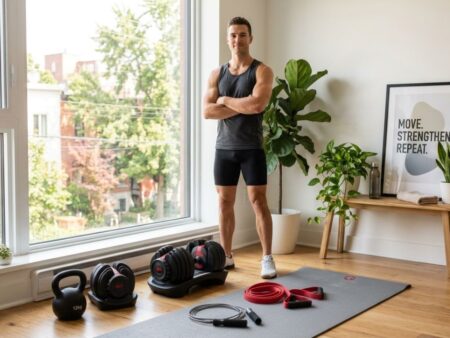
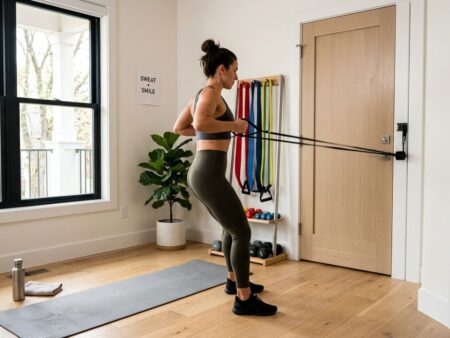
For those training at home, the decision is often driven by space and budget rather than pure preference. A set of adjustable dumbbells and a pull-up bar can cover a remarkable range of exercises and provide a solid foundation for muscle growth. Resistance bands can also replicate the constant tension found in cable machines, making them a cost-effective supplement to dumbbells for home trainers.
If budget allows, a cable machine or a functional trainer is one of the most versatile pieces of equipment available for home use. It bridges the gap between free weights and traditional machines, offering both isolation capability and compound movement options.
Common Myths Worth Dispelling
Myth: Machines are only for beginners. This is simply not true. Many elite bodybuilders use machine-based training extensively, particularly for isolation work and volume accumulation.
Myth: Free weights are always superior. While free weights have advantages for compound movements and functional strength, they are not universally better for every training goal. The “best” tool depends on the exercise, the muscle being targeted, and the stage of training.
Myth: You need a full gym to build serious muscle. With a quality set of dumbbells and a few key machines or substitutes, significant muscle growth is entirely achievable. Consistency and progressive overload matter far more than access to every piece of equipment.
Final Thoughts
The machines vs free weights debate is ultimately a false choice. Both have genuine merit, and the most successful muscle-building programs in the world make use of both. Free weights build the foundation of mass, strength, and functional capacity. Machines refine that foundation, target lagging muscles, and allow for safe, effective volume work.
For anyone serious about building muscle, whether they train in a professional gym or a home setup, the smartest approach is to understand the strengths of each tool and apply them where they are most effective.
The real enemy of muscle growth is not choosing the wrong equipment. It is inconsistency, inadequate progressive overload, and poor recovery. Get those three things right with whatever tools are available, and the gains will follow.
Disclaimer: The information provided on this website is for educational and informational purposes only and is not intended as medical advice. Always consult a qualified healthcare professional before starting any exercise program, changing your diet, or using supplements.