We’re reader-supported. This means when you buy through links on our site, we may earn an affiliate commission.
Bikini bodybuilding has become one of the most popular divisions in competitive fitness, drawing thousands of new athletes every year.
Unlike traditional bodybuilding, which rewards extreme muscle size, bikini bodybuilding focuses on a toned, athletic, and feminine physique.
For anyone who loves training at the gym or working out at home and has ever wondered what it takes to step on a bikini stage, this guide breaks it all down in simple terms.
Understanding Bikini Bodybuilding
Bikini bodybuilding is a competitive division within the sport of bodybuilding that emphasizes overall shape, muscle tone, posture, and stage presence rather than maximum muscle mass. It sits under organizations like the NPC (National Physique Committee) and the IFBB (International Federation of Bodybuilding and Fitness), and it has grown into one of the largest divisions at most competitions.
Competitors are judged on how balanced, lean, and polished their physique looks on stage. Judges look for a small waist, rounded glutes, toned legs, and defined but not overly muscular arms and shoulders. The goal is a healthy, athletic look rather than the dramatic muscularity seen in open bodybuilding or physique divisions.
How It Differs From Other Bodybuilding Categories
Many beginners confuse bikini bodybuilding with other divisions. Here is a simple breakdown of how it compares:
| Division | Muscle Size Focus | Judging Priority | Typical Body Look |
|---|---|---|---|
| Bikini | Low to moderate | Shape, tone, presentation | Athletic, lean, feminine |
| Wellness | Moderate to high (lower body) | Glutes and leg development | Curvy with muscular lower body |
| Figure | High | Muscularity with symmetry | Athletic and muscular |
| Women’s Physique | Very high | Muscle size and definition | Muscular and hard |
| Bodybuilding | Maximum | Mass and conditioning | Extremely muscular |
This table shows why bikini bodybuilding appeals to so many beginners. It rewards a fit and toned look that feels achievable without requiring years of heavy muscle building.
Why Bikini Bodybuilding Has Become So Popular
There are a few reasons this division has exploded in popularity, especially among people who already enjoy gym workouts or home training routines.
- It offers a realistic entry point for people new to competitive fitness
- The training style overlaps with common gym goals like toning and fat loss
- It encourages a balance of strength training and cardio rather than extreme bulking
- The stage presentation, including posing and confidence, adds a fun performance element
- It has a strong, supportive community of coaches and fellow competitors
Many competitors say the process teaches discipline, structure, and body awareness that carries over into everyday life long after the competition ends.
What Judges Look For on Stage
Understanding the judging criteria helps beginners know exactly what to train for. Bikini bodybuilding judging is based on overall visual impression rather than strict numbers.
Physique Standards
Judges evaluate several physical qualities during comparisons:
- A tight, narrow waist compared to the hips and shoulders
- Round, lifted glutes
- Toned but not bulky legs
- Defined arms and shoulders without heavy muscle mass
- Overall skin conditioning, tan, and symmetry
Stage Presentation
Presentation matters just as much as physique in this division. Judges also consider:
- Posture and confidence while walking
- The quarter turns, which show the body from the front, sides, and back
- Smile and stage charisma
- Suit fit and overall grooming
- How well the competitor connects with the audience and judges
This combination of physique and presentation is what sets bikini bodybuilding apart from more muscle-focused categories.
Getting Started: What Beginners Need to Know
Anyone interested in trying bikini bodybuilding should understand that it is a gradual process built on consistent training, proper nutrition, and patience. It is not something achieved in a few weeks.
Building a Training Foundation
Training for bikini bodybuilding typically blends resistance training with cardiovascular work. The focus is on shaping and toning muscle groups that matter most for stage presentation, especially the glutes, shoulders, and core.
A beginner-friendly weekly structure might include:
- Lower body training two to three times per week, targeting glutes, hamstrings, and quads
- Upper body training two times per week, focusing on shoulders, back, and arms
- Core work integrated into most sessions for a tight midsection
- Light to moderate cardio several times per week to support fat loss
- At least one full rest day for recovery
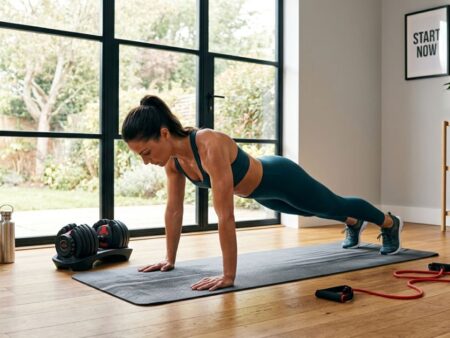
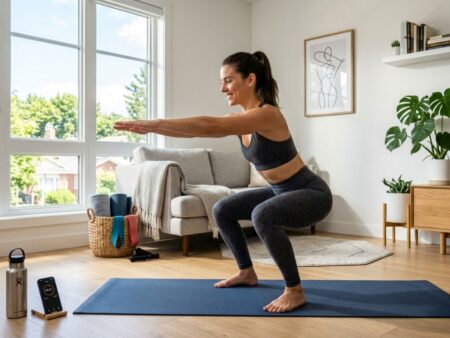
This kind of program works well whether someone trains at a commercial gym with full equipment or at home with dumbbells, resistance bands, and bodyweight exercises.
Common Beginner Exercises
Some exercises show up again and again in bikini bodybuilding programs because they build the shape judges look for.
- Hip thrusts and glute bridges for lifting and rounding the glutes
- Squats and lunges for overall lower body tone
- Lateral raises and shoulder presses for defined shoulders
- Planks and cable crunches for a tight core
- Cable kickbacks and step ups for glute isolation
Nutrition Basics
Nutrition plays a major role in achieving the lean, toned look required for competition. While specific plans vary by individual, most approaches share common principles.
- Eating enough protein to support muscle tone and recovery
- Balancing carbohydrates and fats to fuel workouts and daily energy
- Gradually reducing calories in the weeks leading up to a show, often called a cutting phase
- Staying consistent with meal timing and portion control
- Working with a coach or nutrition professional for a structured prep plan
It is worth noting that competition prep diets can be intense and are usually not meant for long-term daily living. Many athletes cycle between an off-season phase, where they build muscle and eat more, and a prep phase, where they lean out for competition.
The Competition Prep Timeline
Most first-time competitors work with a coach for guidance, since prep involves careful planning across several months.
Off-Season Phase
This is when athletes focus on building muscle and improving weak areas of their physique. Training is often heavier, and calorie intake is higher to support growth. This phase can last many months or even a year or more for beginners still developing their shape.
Prep Phase
Typically lasting twelve to twenty weeks before a show, the prep phase shifts focus toward fat loss and conditioning. Training stays consistent, but nutrition becomes more structured, and cardio is often increased gradually.
Peak Week
The final week before competition is called peak week. This is when small adjustments are made to water intake, sodium, and carbohydrates to help the body look its most defined and full on stage. This process is highly individual and best guided by an experienced coach.
Choosing a Coach or Going Solo
Many beginners wonder whether they need a coach for their first show. While it is possible to prep alone, especially for people with a strong fitness background, working with an experienced bikini bodybuilding coach offers real advantages.
- Personalized training and nutrition guidance
- Help navigating peak week adjustments
- Posing practice, which is critical for stage presentation
- Accountability and support through a mentally demanding process
- Guidance on suit selection, tanning, and hair and makeup for stage day
For those training at home without gym access to a coach in person, many coaches now offer fully online programs with video check-ins, making the sport accessible no matter where someone lives.
Training at Home vs. at the Gym
Bikini bodybuilding does not require a fancy gym membership, though having access to a wider range of equipment can help with variety and progression.
Training at the Gym
- Access to machines that isolate specific muscles like glutes and shoulders
- Cable systems useful for controlled, joint-friendly movements
- A wider range of free weights for progressive overload
- A community atmosphere that can boost motivation
Training at Home
- Requires only basic equipment like dumbbells, resistance bands, and a bench
- Offers flexibility for people with busy schedules
- Can still build an effective physique with bodyweight and resistance training
- Works well when combined with online coaching and video-based programs
Both paths can lead to a competition-ready physique. What matters most is consistency, progressive overload, and following a structured plan suited to individual goals.
Common Mistakes Beginners Make
New competitors often make similar mistakes when starting out. Being aware of them can save time, money, and frustration.
- Rushing into competition before the physique is developed enough
- Cutting calories too aggressively, which can hurt muscle tone and energy
- Skipping posing practice, which is just as important as physique
- Comparing progress to experienced competitors instead of focusing on personal growth
- Neglecting recovery, sleep, and stress management during prep
Patience is one of the most important qualities in this sport. Many top competitors spent a year or more building their physique before ever stepping on stage.
Is Bikini Bodybuilding Right for You?
Bikini bodybuilding suits people who enjoy structured training, are willing to commit to a nutrition plan, and want a goal that combines fitness with performance. It appeals to gym lovers who want a clear target to work toward and to home workout enthusiasts who want to challenge themselves beyond regular fitness routines.
It is not necessary to compete to enjoy the training style. Many people use bikini bodybuilding workouts and nutrition principles simply to improve their overall shape, tone, and confidence without ever stepping on stage.
Final Thoughts
Bikini bodybuilding offers a unique blend of strength training, nutrition discipline, and stage performance that appeals to a wide range of fitness enthusiasts.
Whether someone dreams of competing or simply wants to adopt the training principles for a toned, athletic look, understanding the basics is the first step.
With consistent effort, the right guidance, and realistic expectations, anyone can begin working toward the lean, sculpted physique this popular division celebrates.
Disclaimer: The information provided on this website is for educational and informational purposes only and is not intended as medical advice. Always consult a qualified healthcare professional before starting any exercise program, changing your diet, or using supplements.