We’re reader-supported. This means when you buy through links on our site, we may earn an affiliate commission.
Building muscle is not just about lifting heavy weights and pushing through grueling sets. What happens in the kitchen matters just as much as what happens in the gym.
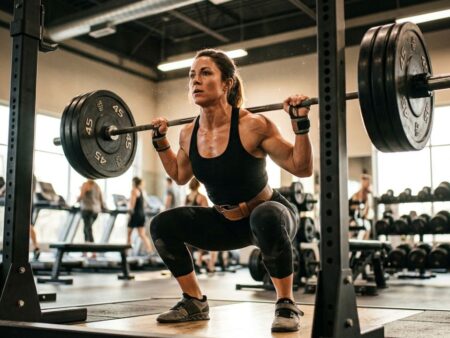
For anyone serious about gaining lean mass, whether they train at a commercial gym, a home setup, or somewhere in between, understanding which foods accelerate muscle growth can make a dramatic difference in results.
The body needs the right raw materials to repair torn muscle fibers, synthesize new protein, and grow bigger and stronger over time.
This article breaks down the most effective muscle-building foods, explains why they work, and gives practical guidance on how to include them in a high-performance nutrition plan.
Why Food Choices Matter for Muscle Growth
When a person lifts weights, small tears form in the muscle fibers. The body repairs these tears during recovery, and if enough protein and supporting nutrients are present, it builds the fibers back thicker and stronger than before. This process is called muscle protein synthesis (MPS), and it is directly influenced by what a person eats.
Calories matter too. Without a caloric surplus or at least adequate caloric intake, the body struggles to fund the energy-intensive process of muscle building. Protein, carbohydrates, and healthy fats each play a specific and important role.
The speed at which muscle is built depends on several factors, including training intensity, sleep quality, hormone levels, and, critically, nutritional intake. People who eat strategically tend to see faster gains, better recovery, and more consistent progress than those who neglect their diet.
The Best Foods That Build Muscle the Fastest
Eggs
Eggs are widely regarded as one of the most complete muscle-building foods available. They contain all nine essential amino acids, making them a complete protein source. The yolk is rich in leucine, the amino acid most directly responsible for triggering muscle protein synthesis.
A large egg contains roughly 6 grams of protein, along with healthy fats, vitamin D, B vitamins, and choline. The combination of fast-digesting egg whites and nutrient-dense yolks makes whole eggs a top-tier choice for anyone looking to build muscle efficiently. Eating eggs post-workout provides the body with a rapid and bioavailable source of amino acids exactly when it needs them most.
Chicken Breast
Chicken breast is a staple in the diet of bodybuilders and fitness enthusiasts for good reason. It is one of the leanest sources of high-quality protein available, with a single 100-gram serving providing approximately 31 grams of protein and very little fat.
Its versatility in cooking makes it easy to incorporate into almost any meal. Grilled, baked, or pan-seared, chicken breast fits neatly into a high-protein diet without significantly increasing caloric intake from fat, which is beneficial for those who want to build muscle while staying relatively lean.
Greek Yogurt
Greek yogurt is a powerhouse food that delivers a unique combination of fast-digesting whey protein and slow-digesting casein protein. This dual-action protein profile makes it particularly effective for muscle building and recovery.
A single cup of plain Greek yogurt can provide between 15 and 20 grams of protein, along with calcium, probiotics, and essential B vitamins. Eating Greek yogurt before bed is a strategy many bodybuilders use because the casein content provides a slow, steady release of amino acids throughout the night, supporting overnight muscle repair.
Salmon
Salmon stands out not just for its protein content but for its exceptionally high levels of omega-3 fatty acids. These healthy fats are known to reduce inflammation, which is a critical factor in recovery after intense training sessions. Less inflammation means faster recovery, which translates to the ability to train harder and more frequently.
A 100-gram serving of salmon delivers around 20 grams of protein along with EPA and DHA, two omega-3 fatty acids that have been shown to support muscle protein synthesis. Including salmon in the diet two to three times per week can have noticeable effects on both performance and body composition.
Lean Beef
Lean cuts of beef, such as sirloin or ground beef with a low fat percentage, are among the most nutrient-dense muscle-building foods a person can eat. Beef contains high-quality complete protein, creatine, zinc, iron, and B vitamins, all of which play key roles in energy production, testosterone support, and muscle repair.
The creatine found naturally in beef is particularly noteworthy. Creatine supports the recycling of ATP (adenosine triphosphate), the primary energy currency of muscle cells. This means more power output during lifts and faster recovery between sets.
Cottage Cheese
Cottage cheese is another food with a high casein protein content, making it ideal for sustained amino acid delivery. A single cup of low-fat cottage cheese can contain up to 28 grams of protein, making it one of the most protein-dense foods available relative to its caloric cost.
Many serious gym-goers keep cottage cheese as a go-to late-night snack. Its slow-digesting nature provides muscle fibers with a consistent supply of nutrients during the long overnight fasting period, helping to minimize muscle breakdown while maximizing recovery.
Quinoa
For those who prefer plant-based options or want to diversify their carbohydrate sources, quinoa is one of the few plant foods that qualifies as a complete protein. It contains all nine essential amino acids along with a solid dose of complex carbohydrates, which are critical for replenishing muscle glycogen after training.
A cooked cup of quinoa provides approximately 8 grams of protein and around 40 grams of carbohydrates. Its fiber content also helps support digestive health, which plays an important role in nutrient absorption.
Tuna
Canned tuna is an affordable, convenient, and highly effective muscle-building food. It is extremely high in protein and low in fat, making it a favorite among those on a budget or those who need a quick protein source between meals.
A standard 100-gram serving of canned tuna in water provides around 25 grams of protein. Tuna also contains omega-3 fatty acids, selenium, and vitamin D. Its portability makes it an excellent option for athletes and gym-goers who need to eat on the go.
Brown Rice
While not a protein source in its own right, brown rice plays a vital supporting role in muscle-building nutrition. It is a slow-digesting complex carbohydrate that provides sustained energy throughout the day and helps replenish glycogen stores after training.
Glycogen is the stored form of carbohydrates in the muscles and liver, and it serves as the primary fuel source during resistance training. Without adequate glycogen stores, workout performance suffers, and muscle growth slows. Pairing brown rice with protein-rich foods creates well-balanced, muscle-friendly meals.
Edamame and Soybeans
Soybeans and edamame are exceptional plant-based protein sources that also provide complete amino acid profiles. They are rich in leucine, the key trigger for muscle protein synthesis, and contain iron, calcium, and vitamin K.
For vegan or vegetarian gym-goers, edamame offers a practical and delicious way to hit protein targets without relying on animal products. A cup of shelled edamame contains roughly 17 grams of protein along with significant amounts of fiber and healthy fats.
Muscle-Building Foods at a Glance
The table below summarizes the key nutritional highlights of the top muscle-building foods discussed in this article.
| Food | Protein per 100g | Key Nutrients | Best Time to Eat |
|---|---|---|---|
| Eggs | ~13g | Leucine, Vitamin D, B12 | Post-workout, Breakfast |
| Chicken Breast | ~31g | Niacin, B6, Phosphorus | Lunch, Dinner |
| Greek Yogurt | ~10g | Whey + Casein, Calcium | Post-workout, Before bed |
| Salmon | ~20g | Omega-3, Vitamin D, B12 | Lunch, Dinner |
| Lean Beef | ~26g | Creatine, Iron, Zinc | Lunch, Dinner |
| Cottage Cheese | ~11g | Casein, Calcium, B12 | Before bed, Snack |
| Quinoa | ~4g | All amino acids, Fiber | Pre/Post-workout meals |
| Tuna | ~25g | Omega-3, Selenium | Any meal, Snack |
| Brown Rice | ~3g | Complex Carbs, Manganese | Pre/Post-workout |
| Edamame | ~11g | Leucine, Iron, Calcium | Snack, Meal addition |
How to Structure a Muscle-Building Meal Plan
Knowing which foods to eat is only part of the equation. Timing and structure matter just as much for those who want to maximize muscle growth.
Pre-Workout Nutrition
About 60 to 90 minutes before training, the focus should be on a balanced meal that combines complex carbohydrates with a moderate amount of protein. This gives the body sustained energy throughout the session and begins priming the muscles for the work ahead. A bowl of brown rice with grilled chicken or a serving of oatmeal with a scoop of protein powder are solid choices.
Post-Workout Nutrition
The post-workout window, typically the 30 to 60 minutes after training, is often cited as the most important nutritional period for muscle building. During this time, muscles are primed to absorb nutrients and begin the repair process. A meal or shake rich in fast-digesting protein, like whey or eggs, combined with some simple carbohydrates to spike insulin and drive nutrients into the muscle cells, is highly effective.
Before Bed
Muscle repair and growth happen predominantly during sleep. Consuming a slow-digesting protein source such as cottage cheese, Greek yogurt, or a casein protein shake before bed helps feed the muscles throughout the night and reduces the catabolic (muscle-breakdown) effects of fasting.
Key Principles for Eating to Build Muscle Fast
Regardless of which specific foods a person chooses, the following principles apply to anyone looking to build muscle at the fastest possible rate:
- Hit daily protein targets. Most research suggests consuming between 1.6 and 2.2 grams of protein per kilogram of body weight per day for optimal muscle growth.
- Do not neglect carbohydrates. Carbs fuel workouts and replenish glycogen, both of which are essential to training performance and muscle recovery.
- Eat in a mild caloric surplus. To build muscle, the body generally needs more energy than it burns. A surplus of 200 to 400 calories per day is a sustainable approach for lean muscle gain.
- Prioritize whole foods over processed options. Whole foods offer superior micronutrient profiles, better digestion, and cleaner fuel compared to heavily processed alternatives.
- Stay consistent. Muscle building is a long-term process. The best diet is one that a person can stick to consistently over months and years.
- Hydrate adequately. Water is essential for nutrient transport, muscle function, and recovery. Aiming for at least two to three liters per day is a good baseline for active individuals.
The Role of Micronutrients in Muscle Growth
Vitamins and minerals often go overlooked in muscle-building discussions, but they are essential co-factors in dozens of physiological processes that support growth and recovery.
- Zinc supports testosterone production and protein synthesis.
- Magnesium plays a role in muscle contraction and recovery.
- Vitamin D supports testosterone levels and muscle function.
- Iron is critical for oxygen transport to working muscles.
- B vitamins support energy metabolism and red blood cell production.
Eating a varied diet rich in the foods listed above naturally covers most of these micronutrient needs. However, individuals with specific deficiencies or dietary restrictions may benefit from targeted supplementation.
Final Thoughts
Building muscle fast starts with a smart training program, but it is fueled entirely by what goes into the body. Foods like eggs, chicken breast, salmon, lean beef, Greek yogurt, and cottage cheese are among the most effective options for maximizing muscle protein synthesis and supporting rapid recovery. Supporting these with quality carbohydrates from brown rice and quinoa ensures that energy levels remain high and workouts remain productive.
Whether training in a world-class gym or a home garage setup, the fundamentals of muscle-building nutrition remain the same. Prioritize protein, eat enough calories, choose nutrient-dense whole foods, and time meals strategically around training. For anyone willing to commit to this approach alongside a well-designed training program, significant muscle gains are well within reach.
Disclaimer: The information provided on this website is for educational and informational purposes only and is not intended as medical advice. Always consult a qualified healthcare professional before starting any exercise program, changing your diet, or using supplements.