We’re reader-supported. This means when you buy through links on our site, we may earn an affiliate commission.
Anyone who trains hard knows that the real progress happens after the workout, not during it. Muscles grow and repair when the body is resting, sleeping, and refueling.
That is why recovery has become such a hot topic among gym goers, bodybuilders, and home fitness fans alike. While good sleep, proper hydration, and a balanced diet form the foundation of recovery, certain supplements can give the body an extra push to repair tissue, reduce soreness, and get back to training sooner.
This article breaks down the most effective supplements for recovery, how they work, and how to use them properly.
Why Recovery Matters So Much
Training breaks down muscle fibers. That is a normal and necessary part of getting stronger. The problem is that if the body cannot repair those fibers quickly and completely, progress stalls. Poor recovery can lead to:
- Persistent muscle soreness that lingers for days
- Reduced strength and performance in future sessions
- Higher risk of injury
- Fatigue and lack of motivation to train
- Slower muscle growth despite consistent effort
Supplements are not magic pills. They will not replace sleep or a poor diet. But they can support the natural recovery process, fill nutritional gaps, and speed up the return to peak performance.
Protein Powder
Protein is the most basic and important recovery supplement, and for good reason. Muscle tissue is built from amino acids, and protein powder provides a fast, convenient way to get those amino acids into the body right when they are needed most.
Whey Protein
Whey protein is digested quickly, which makes it a popular choice right after training. It is rich in branched chain amino acids (BCAAs), especially leucine, which plays a key role in triggering muscle protein synthesis.
Casein Protein
Casein digests much more slowly than whey. Many people take it before bed since it releases amino acids steadily throughout the night, supporting muscle repair during sleep.
Plant Based Protein
For those who are vegan, vegetarian, or lactose intolerant, plant based options like pea, rice, or hemp protein can still provide a solid amino acid profile, especially when a few sources are combined.
Creatine
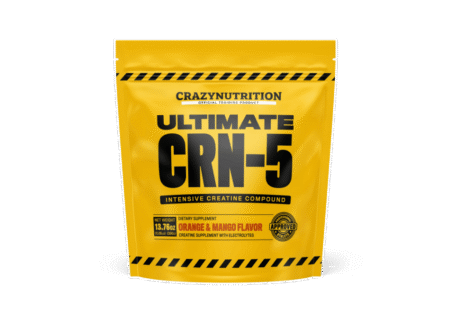
Creatine is one of the most researched supplements in the fitness world, and it does far more than just help with strength and power output. It also plays a role in recovery by helping muscles restore energy stores faster between sets and sessions. This can reduce muscle damage and inflammation after intense training.
Creatine monohydrate is the most studied and widely recommended form. A typical approach is to take around 3 to 5 grams daily, with no need for complicated loading phases for most people.
Branched Chain Amino Acids (BCAAs)
BCAAs include leucine, isoleucine, and valine. These three amino acids are often singled out because they are metabolized directly in the muscle rather than the liver, making them quickly available during and after exercise.
Some people find BCAAs helpful for reducing muscle soreness and fatigue, especially during fasted training or long endurance sessions. That said, if someone is already getting enough protein from whole foods or a protein shake, additional BCAAs may not add much extra benefit.
Essential Amino Acids (EAAs)
While BCAAs cover three amino acids, EAAs include all nine amino acids the body cannot produce on its own. Because muscle repair requires the full range of essential amino acids, many experts now consider EAA supplements a more complete option than BCAAs alone.
Omega-3 Fatty Acids
Omega-3s, found in fish oil and algae oil supplements, are well known for supporting heart and brain health, but they also have a strong reputation for reducing exercise-induced inflammation. Lower inflammation can translate into less soreness and a faster bounce back between training sessions.
Omega-3s may also support joint health, which is especially useful for lifters who put repeated stress on their knees, shoulders, and elbows.
Magnesium
Magnesium is involved in hundreds of processes in the body, including muscle relaxation, nerve function, and energy production. Intense training can deplete magnesium levels through sweat, and low magnesium has been linked to muscle cramps, poor sleep, and slower recovery.
Taking a magnesium supplement, particularly in the evening, may also improve sleep quality, which circles back to better overall recovery.
Zinc
Zinc plays an important role in protein synthesis, immune function, and hormone regulation, including testosterone production. Athletes and heavy lifters can lose zinc through sweat, so keeping levels in check supports both recovery and overall training capacity.
Tart Cherry Juice
Tart cherry juice has gained popularity as a natural recovery aid. It is rich in antioxidants and anti-inflammatory compounds that may help reduce muscle soreness and support better sleep, both of which are important for recovery.
Vitamin D
Vitamin D supports muscle function, bone health, and immune health. Many people, especially those who spend most of their time indoors or live in areas with limited sunlight, run low on vitamin D without realizing it. Since muscle repair and hormone regulation both rely on adequate vitamin D levels, this is a supplement worth checking through a blood test if fatigue or slow recovery is a recurring issue.
Electrolytes
Sweating during a workout does not just cause water loss, it also causes the loss of key electrolytes like sodium, potassium, and magnesium. Replacing these through an electrolyte supplement or drink can help prevent cramping, support hydration, and keep the body functioning properly as it repairs itself.
Collagen
Collagen supplements have become popular for supporting joint and connective tissue health. Since tendons and ligaments recover more slowly than muscle tissue, some lifters use collagen alongside vitamin C to support the structures that keep joints stable during heavy training.
Comparison Table: Recovery Supplements at a Glance
| Supplement | Main Recovery Benefit | Best Time to Take |
|---|---|---|
| Whey Protein | Fast muscle repair | Right after training |
| Casein Protein | Slow, steady overnight repair | Before bed |
| Creatine | Faster energy restoration, less muscle damage | Any time, daily |
| BCAAs | Reduced soreness and fatigue | During or after training |
| EAAs | Complete amino acid support | Around workouts |
| Omega-3 | Lower inflammation, joint support | With meals |
| Magnesium | Muscle relaxation, better sleep | Evening |
| Zinc | Hormone support, immune health | With food |
| Tart Cherry Juice | Antioxidant, anti-inflammatory | Evening or post workout |
| Vitamin D | Muscle and hormone function | Morning with food |
| Electrolytes | Hydration, cramp prevention | During or after training |
| Collagen | Joint and connective tissue support | Any time, daily |
How to Choose the Right Recovery Supplements
Not everyone needs every supplement on this list. The right combination depends on training intensity, diet, sleep quality, and individual goals. A few things to keep in mind:
- Focus on the basics first, such as protein intake and hydration, before adding extra supplements
- Choose supplements based on personal weak points, such as poor sleep, joint discomfort, or frequent soreness
- Avoid stacking too many products at once, since it becomes hard to tell what is actually working
- Look for third party tested products to ensure quality and label accuracy
- Remember that supplements work best alongside a solid training program and consistent nutrition
Common Mistakes to Avoid
Even with the best supplements, recovery can still suffer if certain habits are ignored.
- Relying on supplements while neglecting sleep, which is the most powerful recovery tool available
- Skipping meals and expecting a shake to fill the gap
- Taking supplements inconsistently and expecting fast results
- Ignoring hydration, which affects nearly every recovery process in the body
- Overtraining without allowing the body enough rest days to actually recover
Final Thoughts
Recovery is just as important as the workout itself, and supplements can play a genuine supporting role when used correctly. Protein, creatine, omega-3s, magnesium, and a few other key nutrients can help reduce soreness, support muscle repair, and keep energy levels high for the next session.
That said, no supplement can replace the fundamentals of good sleep, proper nutrition, and smart training. Anyone serious about progress in the gym or at home should treat supplements as one piece of a bigger recovery puzzle, not a shortcut around it.
Disclaimer: The information provided on this website is for educational and informational purposes only and is not intended as medical advice. Always consult a qualified healthcare professional before starting any exercise program, changing your diet, or using supplements.