We’re reader-supported. This means when you buy through links on our site, we may earn an affiliate commission.
Building muscle is one of the most rewarding physical pursuits a person can undertake. Whether someone is stepping into a gym for the first time or returning to a home workout routine with fresh motivation, understanding the fundamentals of muscle growth can mean the difference between slow, frustrating progress and fast, visible results.
The good news is that the science behind building muscle is well-established, and when the right principles are applied consistently, the body responds in a powerful and predictable way.
Understanding How Muscle Growth Actually Works
Before diving into strategies, it helps to understand what is actually happening inside the body when muscle grows. The process is known as muscle hypertrophy, and it occurs when muscle fibers are subjected to mechanical stress — primarily through resistance training — and then repair themselves during recovery. Each time this repair cycle is completed, the muscle fibers become slightly thicker and stronger.
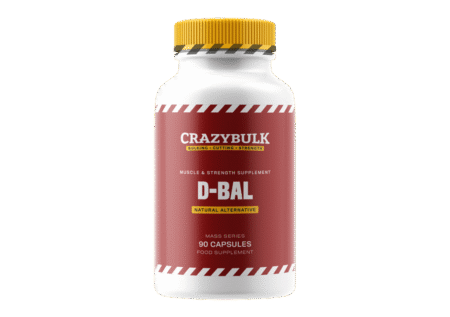
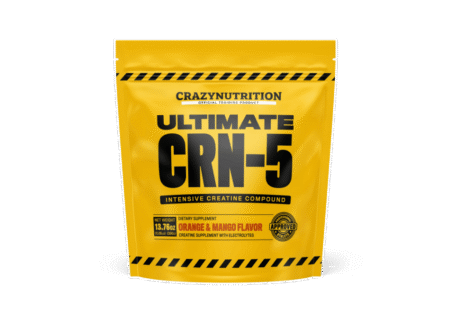
This process is driven by a combination of mechanical tension, metabolic stress, and muscle damage. When someone performs a heavy squat, a set of pull-ups, or a dumbbell press to near failure, they are creating micro-tears in the muscle tissue. The body responds by sending nutrients and hormones, including testosterone and growth hormone, to the site of damage. Over time, this results in visibly larger and denser muscle tissue.
The Role of Progressive Overload
One of the most critical concepts in muscle building is progressive overload. This means gradually increasing the demand placed on the muscles over time. The body is remarkably adaptive — once it adjusts to a given workout, it stops responding as dramatically. To keep growing, the muscles must be continuously challenged.
Progressive overload can be achieved by:
- Increasing the weight lifted during each exercise
- Performing more repetitions with the same weight
- Reducing rest periods between sets
- Adding an extra set or training session per week
- Improving the quality and range of motion of each rep
Without progressive overload, even the most disciplined gym-goer will hit a plateau and stop seeing results. Tracking workouts in a journal or app is a simple but powerful way to ensure consistent progress over time.
Training Principles That Build Muscle Faster
Compound Movements vs. Isolation Exercises
Not all exercises are created equal when it comes to building muscle quickly. Compound movements, which engage multiple muscle groups at once, tend to produce faster and more widespread muscle growth than isolation exercises that target only one muscle at a time.
The most effective compound movements for overall muscle development include:
- Squats — target the quads, hamstrings, glutes, and core
- Deadlifts — engage the entire posterior chain including the back, glutes, and hamstrings
- Bench Press — work the chest, shoulders, and triceps simultaneously
- Pull-Ups and Rows — develop the back, biceps, and rear delts
- Overhead Press — build shoulder and upper body strength
Isolation exercises like bicep curls and tricep kickbacks still have their place, especially for targeting lagging muscle groups or adding finishing volume at the end of a session. However, the foundation of any fast muscle-building program should rest on compound lifts performed with progressive overload.
Rep Ranges and Training Volume
A common question among those new to resistance training is how many reps and sets they should be doing. Research suggests that muscle growth can occur across a broad range of rep counts, from as low as 5 to as high as 30 reps per set. What matters most is that the final few reps of each set are genuinely challenging.
That said, a practical framework for muscle building looks something like this:
| Rep Range | Primary Benefit | Best Used For |
|---|---|---|
| 1–5 reps | Maximal strength | Powerlifting movements |
| 6–12 reps | Hypertrophy (size) | Most muscle-building goals |
| 12–20 reps | Muscular endurance + size | High-volume finishers |
| 20–30 reps | Metabolic stress + pump | Isolation or bodyweight work |
Most people aiming to build muscle efficiently will spend the bulk of their training in the 6–12 rep range, while occasionally dipping into higher or lower ranges to stimulate the muscles in different ways.
Training volume — the total amount of work done per muscle group per week — is also a key driver of muscle growth. Research generally supports performing between 10 and 20 sets per muscle group per week for optimal hypertrophy, split across multiple sessions.
Training Frequency
Training a muscle group more than once per week tends to produce faster results than training it only once. When someone hits their chest or legs only on one day per week, a significant amount of potential growth stimulus is left on the table. A more effective approach is to train each muscle group two to three times per week, spreading the volume across multiple sessions.
Popular training splits that support this approach include:
- Upper/Lower Split — alternating between upper body and lower body sessions, typically four days per week
- Push/Pull/Legs — dividing training into pushing movements, pulling movements, and leg work across six days
- Full Body Training — working all major muscle groups in every session, typically three days per week
- Hybrid Splits — combining elements of the above to suit personal schedules and recovery capacity
For those training at home with limited equipment, full-body sessions built around bodyweight progressions, resistance bands, and adjustable dumbbells can be surprisingly effective when programmed intelligently.
Nutrition: The Cornerstone of Muscle Growth
Training hard is only half the equation. Without proper nutrition, the muscles simply do not have the raw materials needed to grow. Many people underestimate how central diet is to fast muscle development, and this is one of the most common reasons progress stalls.
Protein Intake
Protein is the building block of muscle tissue, and consuming enough of it is non-negotiable for anyone trying to build muscle. Current research supports a protein intake of approximately 1.6 to 2.2 grams per kilogram of body weight per day for those actively training for hypertrophy. For a person weighing 80 kilograms, that translates to roughly 128 to 176 grams of protein daily.
High-quality protein sources that support muscle growth include:
- Chicken breast, turkey, and lean cuts of beef
- Eggs and egg whites
- Fish such as salmon, tuna, and tilapia
- Greek yogurt and cottage cheese
- Whey protein, casein protein, and plant-based protein powders
- Legumes such as lentils, chickpeas, and black beans
- Tofu and tempeh for plant-based athletes
Spreading protein intake across four to five meals or snacks throughout the day helps maximize muscle protein synthesis, the biological process by which the body uses amino acids to build and repair muscle tissue.
Caloric Surplus for Muscle Gain
To build muscle at an accelerated pace, the body generally needs to be in a caloric surplus — consuming more energy than it burns. This provides the extra fuel and nutrients required to support both training performance and the actual process of building new tissue.
A modest surplus of 250 to 500 calories above maintenance is generally recommended for those prioritizing muscle gain while minimizing excess fat accumulation. Eating far above maintenance will accelerate muscle growth to some degree, but a large portion of those extra calories will be stored as fat rather than converted to lean tissue.
Carbohydrates are the primary fuel source during high-intensity resistance training, and adequate carb intake is essential for maintaining workout quality and supporting recovery. Healthy fats, meanwhile, play a key role in hormone production, including the hormones that directly regulate muscle growth.
Meal Timing and Pre/Post Workout Nutrition
While total daily intake is the most important nutritional variable, meal timing can provide an additional edge. Consuming a balanced meal or shake containing both protein and carbohydrates within one to two hours before and after a training session supports optimal performance and recovery.
A pre-workout meal might look like oats with banana and a scoop of protein powder, while a post-workout option could be a chicken and rice bowl or a Greek yogurt with fruit. These windows of nutrition ensure the muscles are fueled and ready to grow from each session.
Recovery: Where the Real Growth Happens
A truth that many beginners overlook is that muscle does not grow during the workout — it grows during recovery. Training creates the stimulus, but sleep and rest are where hypertrophy actually takes place.
Sleep and Its Impact on Muscle Growth
Sleep is arguably the most underutilized muscle-building tool available. During deep sleep, the body releases the majority of its daily growth hormone, which plays a central role in tissue repair and muscle development. Studies consistently show that athletes and trainees who get seven to nine hours of quality sleep per night recover faster, perform better, and build more muscle than those who are chronically sleep-deprived.
Practical strategies for improving sleep quality include:
- Maintaining a consistent sleep and wake schedule
- Keeping the bedroom cool, dark, and quiet
- Avoiding screens and bright light in the hour before bed
- Limiting caffeine intake after midday
- Using relaxation techniques such as deep breathing or light stretching before sleep
Active Recovery and Deload Weeks
Rest days do not mean complete inactivity. Light activity such as walking, yoga, swimming, or foam rolling can promote blood flow to sore muscles, accelerate the removal of metabolic waste, and reduce delayed onset muscle soreness (DOMS) without interfering with recovery.
Every four to eight weeks, incorporating a deload week — where training volume and intensity are deliberately reduced — can prevent burnout, reduce injury risk, and often leads to improved performance in the weeks that follow. Many experienced lifters find that their best strength and size gains come in the week after a structured deload.
Supplements That Support Faster Muscle Building
While supplements are not essential, certain well-researched options can provide a meaningful boost to muscle-building efforts when combined with solid training and nutrition.
- Creatine monohydrate — one of the most studied and effective supplements available, creatine improves strength, power output, and training volume
- Whey protein — a convenient way to meet daily protein targets, especially post-workout
- Caffeine — a well-established ergogenic aid that improves focus, endurance, and workout performance
- Beta-alanine — may reduce muscular fatigue and allow for more total volume in training sessions
- Omega-3 fatty acids — support joint health and may reduce exercise-induced inflammation
Supplements should always be viewed as additions to an already solid foundation. They amplify results but cannot compensate for inconsistent training, poor nutrition, or inadequate sleep.
Consistency and Mindset: The Long Game
Perhaps the most fundamental principle of building muscle fast is consistency. The human body responds to sustained, repeated effort over time. No single workout, meal, or supplement produces meaningful muscle growth on its own — it is the accumulation of hundreds of well-executed sessions, meals, and recovery days that produces transformational results.
Setting realistic short-term and long-term goals, tracking progress through measurements, photos, and performance benchmarks, and celebrating small wins along the way all contribute to the kind of sustained motivation that leads to lasting physical change. Building muscle is not a sprint — it is a structured, focused, and deeply rewarding process that rewards patience as much as it rewards intensity.
Those who master the basics — progressive overload, sound nutrition, quality recovery, and consistent effort — will always make faster progress than those chasing shortcuts. The fundamentals work, and they work reliably for everyone willing to commit to them.
Disclaimer: The information provided on this website is for educational and informational purposes only and is not intended as medical advice. Always consult a qualified healthcare professional before starting any exercise program, changing your diet, or using supplements.