We’re reader-supported. This means when you buy through links on our site, we may earn an affiliate commission.
Female bodybuilding has grown into one of the most empowering fitness paths a woman can take. It builds strength, reshapes the body, and boosts confidence in ways that go far beyond appearance.
For many women, the idea of starting can feel intimidating, especially with so much conflicting advice online about training styles, diet plans, and supplements.
The good news is that getting started does not need to be complicated. With the right mindset, a simple plan, and consistency, any woman can begin building muscle and developing a stronger, healthier body.

This guide breaks down everything a beginner needs to know, from setting goals to understanding training splits, nutrition, recovery, and common mistakes to avoid.
Why Women Are Turning to Bodybuilding
Bodybuilding is no longer seen as a niche activity reserved for competitive athletes. More women are lifting weights than ever before, and the reasons go well beyond aesthetics.
- It improves bone density and reduces the risk of osteoporosis later in life
- It increases metabolism by adding lean muscle mass
- It builds functional strength for everyday tasks
- It supports better posture and joint stability
- It has a strong positive effect on mental health and self-esteem
Unlike cardio-only routines, resistance training reshapes the body by adding muscle where it is needed while helping to reduce excess fat over time. This combination is what gives bodybuilders their toned, sculpted look.
Setting Realistic Goals as a Beginner
Before stepping into a gym or picking up a dumbbell at home, it helps to define clear goals. Female bodybuilding is a long-term pursuit, and progress happens gradually. Understanding this early prevents frustration and burnout.
Short Term vs Long Term Goals
New lifters should separate their goals into two categories.
- Short term goals might include learning proper form, training three to four times a week consistently, or increasing the weight used in basic lifts
- Long term goals might include building a certain amount of muscle, competing in a bodybuilding show, or reaching a specific strength milestone like a bodyweight squat
Setting small, achievable targets keeps motivation high and makes the entire journey feel manageable rather than overwhelming.
Choosing Between Gym Training and Home Workouts
One of the first decisions a beginner faces is whether to train at a commercial gym or work out at home. Both options can work well, and the right choice depends on budget, comfort level, and available equipment.
Training at a Gym
A gym offers access to a wide range of equipment, including barbells, machines, and cable systems that are difficult to replicate at home. It also provides a community atmosphere, which can be motivating for beginners who want to learn from others or hire a coach.
Training at Home
Home workouts are convenient and cost-effective. With a basic setup of adjustable dumbbells, resistance bands, and a bench, it is entirely possible to build significant muscle without ever stepping into a commercial gym. The key is consistency and progressive overload, which matters more than the location of the workout.
| Factor | Gym Training | Home Training |
|---|---|---|
| Equipment variety | Extensive | Limited unless invested in |
| Cost | Monthly membership fees | One time equipment cost |
| Convenience | Requires travel time | No commute needed |
| Motivation | Community and coaching support | Requires self discipline |
| Privacy | Shared space | Fully private |
Learning the Basics of Strength Training
Before diving into advanced routines, beginners should focus on mastering fundamental movement patterns. These compound exercises form the foundation of any effective bodybuilding program because they work multiple muscle groups at once and build overall strength efficiently.
Key Compound Movements to Learn First
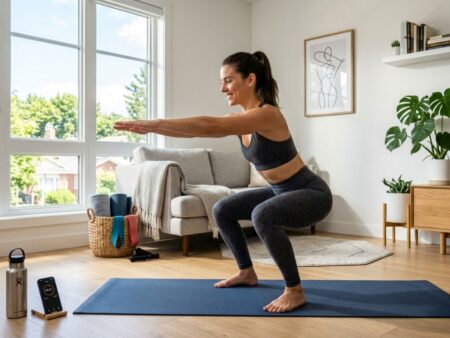
- Squats for building leg and glute strength
- Deadlifts for developing the posterior chain including hamstrings and back
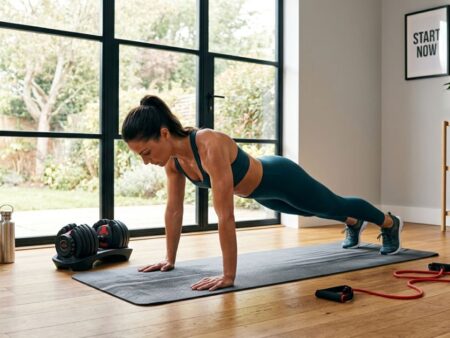
- Bench press or push ups for chest and tricep development
- Rows for building a strong, balanced back
- Overhead press for shoulder strength and stability
Learning correct form on these lifts should take priority over lifting heavy weight. Poor technique not only limits progress but significantly increases the risk of injury. Many gyms offer beginner sessions with a trainer, and this investment is often worthwhile in the early stages.
Understanding Progressive Overload
Progressive overload is the principle that muscles must be challenged more over time in order to grow. This does not always mean lifting heavier weights every session.
It can also involve increasing repetitions, adding an extra set, slowing down the tempo of a lift, or reducing rest time between sets. Beginners should track their workouts in a notebook or app to ensure they are steadily progressing rather than staying stagnant.
Building a Beginner Workout Split
A common mistake new lifters make is jumping into an overly complex program designed for advanced athletes. Beginners benefit most from simple, structured routines that allow the body to adapt gradually.
Full Body Workouts
For those training two to three times per week, a full body split works well. Each session targets all major muscle groups, which allows for frequent practice of key movements and faster skill development.
Upper Lower Splits
For those able to train four days a week, an upper and lower body split allows for more focused volume on each muscle group while still allowing adequate recovery time between sessions.
A sample beginner weekly structure might look like this.
- Monday: Full body strength training
- Tuesday: Rest or light cardio
- Wednesday: Full body strength training
- Thursday: Rest or active recovery
- Friday: Full body strength training
- Saturday and Sunday: Rest
As strength and experience grow, this can evolve into a more advanced split targeting specific muscle groups on different days, such as legs, back, and shoulders as separate sessions.
Nutrition for Female Bodybuilders
Training is only half of the equation. Nutrition plays an equally important role in building muscle, recovering properly, and maintaining energy for workouts.
Protein Intake
Protein is essential for muscle repair and growth. Beginners should aim to include a source of protein in every meal, such as chicken, eggs, fish, tofu, or legumes. A general guideline used by many bodybuilders is to consume roughly one gram of protein per pound of bodyweight, though individual needs can vary.
Carbohydrates and Fats
Carbohydrates fuel intense training sessions and help replenish energy stores after workouts. Whole grains, fruits, and vegetables are excellent sources. Healthy fats from sources like avocados, nuts, and olive oil support hormone production, which is particularly important for women.
Caloric Balance
Beginners should understand the difference between a caloric surplus, which supports muscle building, and a caloric deficit, which supports fat loss. Many new bodybuilders choose to focus on building muscle first through a slight surplus before shifting toward a leaner phase later on.
- Eating in a slight surplus supports new muscle growth
- Eating at maintenance helps build strength without significant weight change
- Eating in a deficit supports fat loss while preserving muscle through continued training
Working with a nutrition coach or registered dietitian can help beginners create a sustainable eating plan tailored to their specific goals and lifestyle.
The Importance of Recovery
Muscles do not grow during a workout itself. They grow during the recovery period that follows, making rest just as important as training.
Sleep
Quality sleep supports hormone regulation, muscle repair, and mental focus. Most adults benefit from seven to nine hours of sleep per night, and this becomes even more important for those engaged in regular strength training.
Rest Days
Beginners should include at least one or two rest days each week. Overtraining can lead to fatigue, decreased performance, and a higher risk of injury. Rest days do not mean complete inactivity. Light walking, stretching, or yoga can support recovery without adding additional stress to the muscles.
Managing Soreness
Delayed onset muscle soreness is common for beginners as the body adapts to new movement patterns. This soreness typically fades within a few days and can be managed through light movement, proper hydration, and adequate protein intake.
Common Mistakes Beginners Should Avoid
Many new lifters make similar mistakes early in their journey. Being aware of these can help avoid unnecessary setbacks.
- Skipping warm ups before lifting heavy weights
- Focusing only on cardio while neglecting strength training
- Comparing progress to others instead of tracking personal improvement
- Following overly restrictive diets that lead to burnout
- Avoiding certain exercises out of fear of appearing too muscular
- Neglecting proper form in favor of lifting heavier weight too soon
Progress in bodybuilding is rarely linear, and setbacks are a normal part of the process. Staying patient and consistent matters far more than chasing quick results.
Addressing the Fear of Getting Too Bulky
One of the most common concerns among women new to strength training is the fear of becoming overly muscular. This concern, while understandable, is largely based on misconceptions. Building significant muscle mass requires years of dedicated training, a substantial caloric surplus, and in many cases, genetic factors that favor rapid muscle growth. Most women simply do not produce enough natural testosterone to bulk up quickly by accident.
Instead, regular strength training tends to create a toned, athletic appearance by reducing body fat percentage while adding lean muscle underneath. For women who do wish to pursue serious muscle growth for competitive bodybuilding, this is achievable, but it requires intentional, long-term effort rather than something that happens unintentionally.
Tracking Progress Effectively
Beginners often rely solely on the bathroom scale to measure progress, but this can be misleading since muscle and fat differ in density. A more complete picture comes from combining several tracking methods.
- Taking progress photos every few weeks under consistent lighting
- Recording body measurements such as waist, hips, and arms
- Logging strength progress in the gym, such as weights and repetitions
- Paying attention to how clothing fits over time
- Noticing improvements in energy levels and overall mood
Using a combination of these methods provides a more accurate and motivating view of progress than the scale alone.
When to Consider Working with a Coach
While many beginners successfully start on their own using online resources, working with a qualified coach or personal trainer can accelerate progress significantly. A coach can correct form issues, design a program suited to individual goals, and provide accountability during the early stages when motivation can fluctuate.
This is especially valuable for women interested in eventually competing in bodybuilding shows, as competition prep involves specific posing, dieting, and training strategies that benefit from expert guidance.
Final Thoughts
Starting female bodybuilding as a beginner does not require a perfect plan or advanced knowledge. It requires a willingness to learn, consistency in training, attention to nutrition, and patience with the process.
Whether training at a gym or at home, the fundamentals remain the same: master basic movements, progressively challenge the muscles, fuel the body properly, and prioritize recovery. Over time, these small consistent efforts compound into significant changes in strength, physique, and confidence.
Every experienced bodybuilder once stood exactly where a beginner stands today, and the most important step is simply getting started.
Disclaimer: The information provided on this website is for educational and informational purposes only and is not intended as medical advice. Always consult a qualified healthcare professional before starting any exercise program, changing your diet, or using supplements.