We’re reader-supported. This means when you buy through links on our site, we may earn an affiliate commission.
Anyone who spends time in the gym has probably heard someone talk about testosterone boosters. Whether it is a training partner swearing by a certain supplement or an ad promising bigger muscles and more energy, the topic comes up often among people who lift weights or care about their fitness.
But the real question worth asking is simple: do natural testosterone boosters actually work, or are they mostly hype?
This article breaks down what testosterone boosters are, how they claim to work, what science says about their effectiveness, and what natural lifestyle habits actually move the needle. The goal is to give a clear, honest picture so anyone interested in bodybuilding or general fitness can make an informed decision.
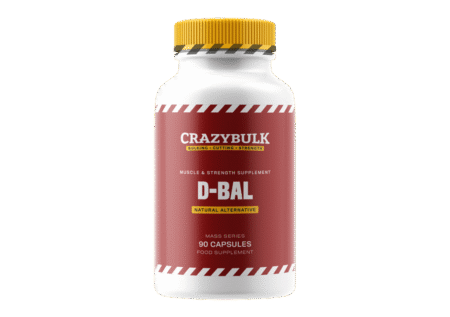
What Are Testosterone Boosters
Testosterone boosters are supplements marketed to increase testosterone levels naturally, without the use of prescription hormone therapy or anabolic steroids. They usually come in pill, capsule, or powder form and contain a mix of vitamins, minerals, herbal extracts, and amino acids.
These products are popular among:
- Men looking to build muscle faster
- Older adults experiencing a natural decline in testosterone
- Athletes wanting more energy and stamina
- People dealing with low libido or fatigue
It is important to understand that natural testosterone boosters are different from anabolic steroids or testosterone replacement therapy (TRT). Boosters do not inject synthetic hormones into the body. Instead, they aim to support the body’s own hormone production system.
How Testosterone Boosters Are Supposed to Work
Testosterone production in the body depends on a chain of signals starting in the brain and ending in the testes. This is often called the hypothalamic pituitary gonadal axis. Testosterone boosters typically try to influence this process in one of a few ways:
- Providing nutrients the body needs to produce testosterone, such as zinc and vitamin D
- Reducing factors that lower testosterone, like high cortisol or excess estrogen
- Supporting overall hormonal balance through herbal compounds
- Improving sleep and recovery, which indirectly affects hormone levels
The idea sounds reasonable on paper. The body does need certain nutrients to produce testosterone efficiently. But having enough of these nutrients is different from having an unlimited supply that keeps boosting hormone levels higher and higher.
Common Ingredients Found in Testosterone Boosters
Most testosterone boosters share a similar list of ingredients, even if the brand names differ. Below is a table summarizing some of the most common ones and what current research generally says about them.
| Ingredient | Common Claim | What Research Suggests |
|---|---|---|
| Zinc | Supports testosterone production | May help only if someone is deficient in zinc |
| Vitamin D | Boosts hormone levels | Effective mainly in people with low vitamin D levels |
| Ashwagandha | Reduces stress and raises testosterone | Some studies show modest increases, especially in stressed or infertile men |
| Fenugreek | Increases libido and strength | Mixed results, some studies show small improvements |
| D-Aspartic Acid | Stimulates testosterone release | Short-term boosts seen in untrained men, less effect in trained athletes |
| Tribulus Terrestris | Increases testosterone and performance | Most studies show no significant effect on testosterone |
| Magnesium | Supports hormone function | May help if magnesium levels are low |
This table highlights an important pattern. Many of these ingredients only work well when someone already has a deficiency. If a person’s zinc, vitamin D, or magnesium levels are already normal, taking more of these nutrients is unlikely to push testosterone above the body’s natural ceiling.
Does Science Support Testosterone Boosters
The honest answer is that the evidence is mixed and often weaker than marketing suggests. Many studies on these supplements are small, short in duration, or funded by the companies selling the product. This does not mean every ingredient is useless, but it does mean results should be viewed with caution.
What the Research Generally Shows
- Some ingredients like ashwagandha and fenugreek show promise in specific groups, such as men with high stress or low baseline testosterone
- Nutrient based boosters mostly help correct deficiencies rather than boost testosterone beyond normal ranges
- Many popular ingredients, like tribulus terrestris, show little to no measurable effect on testosterone in healthy men
- Long term studies on testosterone boosters are limited, making it hard to know about lasting effects
Who Might Benefit Most
Testosterone boosters tend to show the most benefit in people who are:
- Deficient in key vitamins or minerals
- Dealing with high stress levels that suppress hormone production
- Older adults with naturally declining testosterone
- Following a healthy diet and training routine that supports hormone health
For young, healthy men with already normal testosterone levels, the benefits of these supplements are often minimal.
Natural Ways to Support Testosterone Without Supplements
Before turning to a bottle of pills, it helps to look at lifestyle factors that have stronger scientific backing for supporting healthy testosterone levels.
Strength Training
Resistance training, especially compound lifts like squats, deadlifts, and bench presses, has been linked to short term increases in testosterone. Consistent strength training over time also supports better body composition, which is connected to healthier hormone levels.
Quality Sleep
Testosterone is largely produced during sleep, particularly during deep sleep cycles. Poor sleep, especially getting less than six hours a night consistently, has been shown to lower testosterone levels significantly. Prioritizing seven to nine hours of quality sleep is one of the most effective natural strategies available.
Managing Stress
Chronic stress raises cortisol, a hormone that can suppress testosterone production when elevated for long periods. Simple stress management techniques can make a real difference:
- Regular physical activity
- Deep breathing or meditation
- Spending time outdoors
- Maintaining a healthy work life balance
Healthy Body Weight
Carrying excess body fat, particularly around the midsection, is associated with lower testosterone levels. Fat tissue can convert testosterone into estrogen through a process called aromatization.
Maintaining a healthy weight through balanced eating and regular movement supports better hormonal balance.
Balanced Diet
Diet plays a major role in hormone production. Some dietary habits that support healthy testosterone levels include:
- Eating enough healthy fats from sources like olive oil, nuts, and avocados
- Getting sufficient protein for muscle repair and hormone synthesis
- Including zinc rich foods like meat, shellfish, and legumes
- Getting enough vitamin D through sunlight or fortified foods
- Avoiding extreme calorie restriction, which can lower testosterone over time
Limiting Alcohol
Excessive alcohol consumption has been shown to interfere with testosterone production and overall hormonal balance. Moderation is key for anyone concerned about maintaining healthy hormone levels.
Testosterone Boosters vs Lifestyle Changes
When comparing the effectiveness of testosterone boosters to natural lifestyle changes, lifestyle habits generally win in terms of long term impact and scientific support. Supplements might offer a small edge, particularly for people with deficiencies, but they are not a replacement for the fundamentals.
A helpful way to think about it:
- Lifestyle changes address the root causes of low testosterone
- Supplements may support the process but rarely create dramatic changes on their own
- Combining both approaches, when appropriate, tends to produce the best results for people with genuine deficiencies
Are There Any Risks
Testosterone boosters are generally considered lower risk than anabolic steroids since they do not introduce synthetic hormones directly into the body. However, risks still exist:
- Some products may contain unlisted or contaminated ingredients
- Certain herbal compounds can interact with medications
- Overuse of some vitamins or minerals can cause side effects
- Relying on supplements instead of addressing lifestyle habits can delay real progress
Anyone considering a testosterone booster, especially those with existing health conditions or taking medication, should speak with a doctor before starting.
Signs of Low Testosterone Worth Watching For
Understanding whether testosterone might actually be an issue is helpful before jumping into supplementation. Common signs of low testosterone include:
- Persistent fatigue despite adequate sleep
- Reduced muscle mass or strength
- Low libido or sexual performance issues
- Mood changes, including irritability or low motivation
- Increased body fat, particularly around the abdomen
If these symptoms are present and persistent, a blood test through a healthcare provider is the most reliable way to check actual testosterone levels rather than guessing based on supplement marketing claims.
Final Thoughts
So, are testosterone boosters effective naturally? The honest answer is that they can help in specific situations, particularly for people with nutrient deficiencies, high stress levels, or age related hormone decline. For healthy individuals with already normal testosterone levels, the effects tend to be modest at best.
The strongest, most reliable ways to naturally support testosterone remain consistent strength training, quality sleep, stress management, a balanced diet, and maintaining a healthy body weight. Supplements can play a supporting role, but they work best as an addition to good habits, not a replacement for them.
For anyone serious about building muscle, improving energy, and supporting long term hormonal health, focusing on these foundational habits will likely bring far more consistent and lasting results than relying on a bottle of testosterone boosting pills alone.
Disclaimer: The information provided on this website is for educational and informational purposes only and is not intended as medical advice. Always consult a qualified healthcare professional before starting any exercise program, changing your diet, or using supplements.