We’re reader-supported. This means when you buy through links on our site, we may earn an affiliate commission.
Building muscle takes more than just lifting weights and eating a lot of food. The body needs the right raw materials to repair muscle fibers, produce energy, and recover between sessions.
While a solid training program and a balanced diet form the foundation of muscle growth, natural supplements can help fill nutritional gaps and support the process. This article breaks down the most effective natural supplements for muscle growth, how they work, and how to use them safely and effectively.
Why Supplements Matter for Muscle Growth
Muscle growth, also known as hypertrophy, happens when muscle fibers experience tiny tears during resistance training and then repair themselves to become bigger and stronger. This repair process requires protein, energy, and a range of micronutrients. Most people can get everything they need from food, but training intensity, busy schedules, and dietary restrictions often make it hard to hit those targets every day.
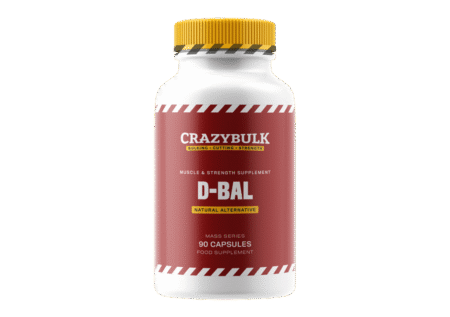
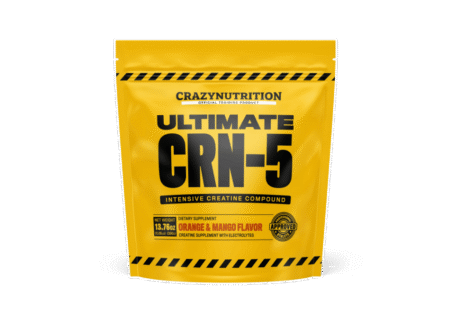
This is where natural supplements come in. They are not magic pills that build muscle on their own. Instead, they support the body’s natural processes so that training and nutrition can be more effective. The word “natural” here refers to supplements derived from whole food sources or naturally occurring compounds, as opposed to synthetic performance enhancers or anabolic substances.
Key Natural Supplements for Muscle Growth
Whey Protein
Whey protein is one of the most researched and widely used supplements in the fitness world. It comes from milk during the cheese-making process and contains all nine essential amino acids, making it a complete protein source.
- Digests quickly, making it ideal for post workout recovery
- Rich in leucine, an amino acid that triggers muscle protein synthesis
- Convenient way to hit daily protein targets without cooking
People who struggle to eat enough protein through meals alone often find whey protein shakes an easy solution. It can be mixed with water, milk, or blended into smoothies.
Casein Protein
Casein is another milk derived protein, but it digests much more slowly than whey. This slow release makes it a popular choice before bed, since it can supply amino acids to muscles throughout the night while the body rests and repairs.
Creatine Monohydrate
Creatine is naturally found in foods like red meat and fish, and it is also produced by the body in small amounts. It is one of the most studied sports supplements available and has a strong track record for safety and effectiveness.
- Increases the muscles’ capacity to produce quick energy during short, intense efforts
- Supports greater strength and power output during training
- Helps muscles hold more water, which can support the growth process
- May support recovery between sets and sessions
Creatine monohydrate is typically taken daily, and consistency matters more than timing. Some people begin with a short loading phase, while others simply take a steady daily dose.
Branched Chain Amino Acids (BCAAs)
BCAAs include leucine, isoleucine, and valine. These three amino acids make up a large portion of muscle tissue and play a direct role in muscle repair and growth.
- May reduce muscle soreness after intense workouts
- Can help preserve muscle tissue during calorie restricted phases
- Useful for people training in a fasted state
While whole protein sources already contain BCAAs, some people use isolated BCAA supplements during workouts, especially during longer training sessions or fat loss phases.
Beta-Alanine
Beta-alanine is an amino acid that helps buffer acid buildup in muscles during high intensity exercise. This can delay the burning sensation that leads to fatigue, allowing for a few extra reps or a bit more work volume per session.
Over time, more training volume can translate into more muscle growth. Beta-alanine is often included in pre workout formulas and may cause a harmless tingling sensation on the skin, known as paresthesia.
Omega-3 Fatty Acids
Fish oil and other omega-3 supplements are not typically thought of as muscle builders, but they play a supportive role in the recovery process.
- Help reduce exercise induced inflammation
- Support joint health, which is important for long term training
- May improve the body’s sensitivity to muscle building signals
Omega-3s are especially useful for people who do not eat much fatty fish on a regular basis.
Vitamin D
Vitamin D acts more like a hormone than a typical vitamin, and it plays a role in muscle function, strength, and recovery. Many people, especially those who spend most of their time indoors, have lower than optimal vitamin D levels.
Low vitamin D has been linked to reduced muscle strength and slower recovery. A simple blood test can determine whether supplementation is needed.
Magnesium
Magnesium is involved in hundreds of processes in the body, including muscle contraction, energy production, and protein synthesis. Intense training can increase the body’s need for magnesium, and deficiencies may show up as cramping, fatigue, or poor sleep quality, all of which can interfere with recovery and growth.
Zinc
Zinc supports testosterone production, immune function, and protein synthesis. Athletes who train frequently may lose more zinc through sweat, making supplementation worth considering, particularly for those with limited dietary variety.
Ashwagandha
Ashwagandha is an adaptogenic herb that has become popular in the fitness community for its potential to support strength gains and reduce exercise related stress.
- Some research suggests it may support increases in muscle strength and size
- May help lower cortisol, a hormone that can interfere with recovery when chronically elevated
- Often used to support better sleep quality
Citrulline Malate
Citrulline malate is an amino acid compound that supports nitric oxide production, which can improve blood flow to working muscles. Better blood flow means more oxygen and nutrients reaching muscle tissue during training.
- May reduce muscle soreness after workouts
- Can support improved training endurance
- Often included in pre workout supplements
How These Supplements Work Together
No single supplement builds muscle in isolation. Instead, think of them as supporting different parts of the muscle growth puzzle.
| Supplement | Primary Role | Best Time to Take |
|---|---|---|
| Whey Protein | Muscle repair and growth | Post workout or between meals |
| Casein Protein | Slow release amino acids | Before bed |
| Creatine Monohydrate | Strength and power output | Any time, daily consistency matters |
| BCAAs | Muscle preservation and soreness reduction | During or around workouts |
| Beta-Alanine | Delaying muscular fatigue | Before training |
| Omega-3 Fatty Acids | Reducing inflammation | With meals |
| Vitamin D | Muscle function and strength | Morning, with food |
| Magnesium | Muscle contraction and sleep | Evening |
| Zinc | Hormone support and recovery | With a meal |
| Ashwagandha | Stress reduction and strength support | Morning or evening |
| Citrulline Malate | Blood flow and endurance | Before training |
Building a Simple Supplement Routine
A practical routine does not need to include every supplement on this list. Most people benefit from starting with a small core group and adding others only if needed.
For Beginners
- Whey or plant based protein powder to help meet daily protein needs
- Creatine monohydrate for strength and recovery support
- A basic multivitamin or targeted vitamin D and magnesium if diet lacks variety
For Intermediate to Advanced Lifters
- All of the beginner supplements
- Beta-alanine or citrulline malate for training performance
- Omega-3s for recovery and joint support
- Ashwagandha if stress or sleep is affecting recovery
Food First, Supplements Second
It is worth repeating that supplements are meant to supplement a solid diet, not replace it. Whole foods provide a wider range of nutrients, fiber, and other compounds that are difficult to replicate in pill or powder form. A helpful approach is to build meals around lean protein sources, vegetables, fruits, whole grains, and healthy fats, and then use supplements to cover any gaps.
Signs a Supplement Might Be Needed
- Struggling to eat enough protein through meals alone
- Frequent muscle cramps or fatigue
- Limited sun exposure or a diet low in certain nutrients
- Training performance plateauing despite consistent effort
Safety and Quality Considerations
Not all supplements are created equal, and quality varies widely between brands. A few simple habits can help ensure safety and effectiveness.
- Choose products that have been third party tested for purity and label accuracy
- Read ingredient labels carefully and avoid products with excessive fillers or proprietary blends that hide dosages
- Start with one new supplement at a time to monitor how the body responds
- Stick to recommended dosages rather than assuming more is always better
- Check with a healthcare provider before starting new supplements, especially for those with existing health conditions or who take medications
Common Mistakes to Avoid
- Relying on supplements while neglecting sleep, training consistency, or overall diet quality
- Expecting fast results without giving supplements enough time to show an effect
- Taking too many supplements at once, making it hard to know what is actually helping
- Choosing products based on flashy marketing rather than ingredient quality
Realistic Expectations
Supplements offer support, not shortcuts. Whey protein and creatine have the strongest evidence behind them for supporting muscle growth, while others like beta-alanine, citrulline malate, and ashwagandha offer more targeted benefits depending on individual needs and training goals.
Consistency in training, adequate sleep, and a nutrient dense diet will always have a bigger impact on muscle growth than any supplement on the market.
Final Thoughts
Natural workout supplements can be valuable tools for anyone serious about building muscle, whether training at a commercial gym or working out at home. Protein powders, creatine, and a handful of targeted nutrients can help close nutritional gaps, support recovery, and improve training performance over time.
The key is to view supplements as one piece of a bigger picture that includes structured training, sufficient rest, and a balanced diet built primarily around whole foods. With the right combination of these elements, steady and sustainable muscle growth becomes a realistic goal.
Disclaimer: The information provided on this website is for educational and informational purposes only and is not intended as medical advice. Always consult a qualified healthcare professional before starting any exercise program, changing your diet, or using supplements.