We’re reader-supported. This means when you buy through links on our site, we may earn an affiliate commission.
Starting a muscle-building journey is one of the most exciting decisions a person can make. Whether someone is hitting the gym for the first time or setting up a home workout space, the question of which supplements to take almost always comes up early.
The supplement industry is enormous, often overwhelming, and filled with products that promise incredible results. For beginners, cutting through that noise and understanding what actually works — and what is worth the money — is an essential first step.
This guide breaks down the best beginner supplements for muscle gain, explaining what each one does, how it works, and who should consider adding it to their routine. No fluff, no hype — just practical information for people who are serious about building muscle the smart way.
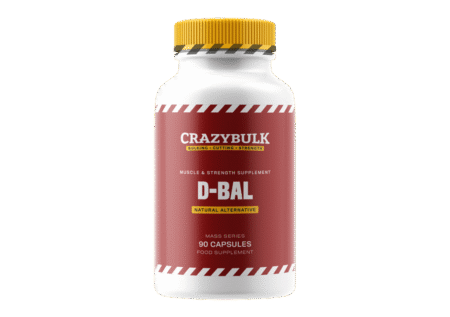
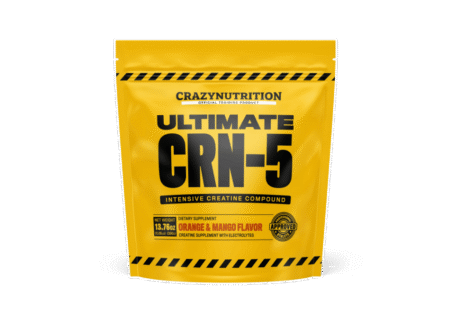
Why Supplements Matter for Beginners
Before diving into specific products, it is worth understanding what supplements are actually meant to do. The word “supplement” itself holds the answer — these products are designed to supplement a solid training program and a nutritious diet. They are not magic pills or powders that replace hard work.
That said, for beginners who are pushing their bodies harder than ever before, certain supplements can provide meaningful support. They help fill nutritional gaps, support recovery, improve performance, and make it easier to hit daily protein and calorie targets. When used correctly alongside consistent training and a well-structured diet, supplements can genuinely accelerate muscle gain.
The key for beginners is to start simple. Many experienced gym-goers have shelves full of fifteen different products, but that is not necessary — or smart — for someone just starting out. A focused, minimal stack of proven supplements is far more effective than an overwhelming array of untested products.
The Core Beginner Supplement Stack
Whey Protein
Whey protein is arguably the most important and well-researched supplement a beginner can take. Protein is the building block of muscle, and when someone trains hard, their body needs more of it than usual. Many beginners struggle to hit their daily protein targets through whole foods alone, especially when life gets busy.
Whey protein is derived from milk during the cheese-making process. It is a complete protein, meaning it contains all nine essential amino acids the body cannot produce on its own. It digests quickly, which makes it particularly effective when taken after a workout to kickstart muscle repair and growth.
How much to take: A general guideline is to aim for 1.6 to 2.2 grams of protein per kilogram of body weight per day. A single scoop of whey protein typically provides 20 to 30 grams of protein, making it easy to bridge any gaps in daily intake.
Best times to take it:
- Within 30 to 60 minutes after a workout for recovery
- First thing in the morning if overall daily protein intake is low
- As a convenient snack between meals
What to look for when buying:
- At least 20g of protein per serving
- Low sugar content (under 5g per serving)
- Third-party tested for quality and purity
- Minimal artificial additives
Creatine Monohydrate
Creatine is one of the most studied supplements in the history of sports nutrition. Decades of research consistently show that it works — and it is safe for long-term use in healthy adults. For beginners looking to build muscle and increase strength, creatine monohydrate is a genuine game-changer.
Creatine works by increasing the body’s stores of phosphocreatine, which is used to produce ATP — the primary energy currency of cells. When muscles have more available energy during high-intensity training, users can typically squeeze out more reps, lift heavier weights, and train harder overall. Over time, this translates into greater muscle gain.
Creatine also draws water into muscle cells, which contributes to a fuller, more muscular appearance. Some beginners notice a slight increase in body weight within the first week or two, which is simply water retention in the muscles — not fat.
How much to take: 3 to 5 grams per day is the standard recommended dose. There is no need for a “loading phase” for most beginners — consistent daily use is sufficient.
Key benefits of creatine:
- Increases strength and power output
- Supports greater training volume over time
- May improve recovery between sets
- Helps muscles appear fuller and more developed
- Has a strong safety record across decades of research
Pre-Workout (Optional but Popular)
Pre-workout supplements are designed to enhance energy, focus, and endurance during training sessions. They are not essential for beginners, but many find them helpful — especially during early morning or late evening sessions when motivation is low.
Most pre-workouts contain a combination of caffeine, beta-alanine, citrulline, and B vitamins. Caffeine is the main active ingredient and has well-documented benefits for athletic performance, including improved endurance, reduced perceived effort, and increased focus.
However, beginners should approach pre-workouts with caution. Many products contain high doses of caffeine and other stimulants that can cause jitters, increased heart rate, or disrupted sleep if taken too late in the day. Starting with a half serving is always a smart approach.
What to look for in a pre-workout:
- A transparent label that lists all ingredients and their doses
- Caffeine content between 150mg and 200mg per serving
- Citrulline malate for improved blood flow and pumps
- No proprietary blends (these hide ingredient doses)
- No excessive stimulants or untested compounds
Supporting Supplements Worth Considering
Omega-3 Fish Oil
Omega-3 fatty acids are not the first thing beginners think of when it comes to muscle gain, but they play an important supporting role. Fish oil supplements are rich in EPA and DHA — two types of omega-3s that have anti-inflammatory properties, support joint health, and may even improve muscle protein synthesis.
Beginners who are pushing their joints and connective tissues hard for the first time will benefit from reduced inflammation and better joint lubrication. Some research also suggests that omega-3s may enhance the muscle-building response to training in certain populations.
A daily dose of 2 to 3 grams of combined EPA and DHA is a reasonable starting point. Fish oil supplements are widely available, affordable, and generally well tolerated.
Vitamin D3
Vitamin D3 is technically a hormone precursor, not a traditional supplement, but deficiency is extremely common — especially in people who live in regions with limited sunlight or spend most of their time indoors. Low vitamin D levels are associated with reduced testosterone production, impaired muscle function, and slower recovery.
Getting a blood test to assess vitamin D levels before supplementing is the ideal approach, but many health professionals suggest a daily dose of 1,000 to 2,000 IU as a safe and reasonable maintenance dose for most adults.
Magnesium
Magnesium is involved in over 300 enzymatic processes in the body, including muscle contraction, protein synthesis, and energy production. Many people — particularly those who exercise regularly and sweat heavily — do not get enough magnesium through diet alone.
Supplementing with magnesium glycinate or magnesium citrate (both of which are highly bioavailable forms) can support better sleep quality, reduced muscle cramps, and improved recovery. Magnesium glycinate is especially popular because it is gentle on the stomach and has mild relaxing properties that support restful sleep.
Supplement Comparison Table
| Supplement | Primary Benefit | Recommended Dose | Best Time to Take | Essential for Beginners? |
|---|---|---|---|---|
| Whey Protein | Muscle repair and growth | 20–30g per serving | Post-workout / anytime | Yes |
| Creatine Monohydrate | Strength and power | 3–5g daily | Any time of day | Yes |
| Pre-Workout | Energy and focus | Half to one serving | 20–30 min pre-workout | Optional |
| Omega-3 Fish Oil | Joint health and inflammation | 2–3g EPA/DHA daily | With meals | Recommended |
| Vitamin D3 | Hormonal health and recovery | 1,000–2,000 IU daily | With food | Recommended |
| Magnesium | Sleep, recovery, muscle function | 200–400mg elemental | Before bed | Recommended |
Common Mistakes Beginners Make With Supplements
Understanding what to take is only half the battle. Avoiding common mistakes is just as important. Here are the most frequent errors beginners make when starting out with supplements:
- Prioritising supplements over diet and training. No supplement will compensate for a poor diet or inconsistent training schedule. Building the fundamentals first is non-negotiable.
- Taking too many products at once. Starting with a large supplement stack makes it impossible to know what is working and what is not. Beginning with two or three proven products is smarter.
- Not drinking enough water. Many supplements — creatine in particular — work best when the body is well hydrated. Aim for at least 2 to 3 litres of water per day.
- Expecting overnight results. Supplements support progress over time. Creatine, for example, typically takes two to four weeks of consistent use before noticeable strength improvements occur.
- Buying cheap, unverified products. The supplement industry is not tightly regulated in many countries. Choosing products from reputable brands that undergo third-party testing protects against contamination and mislabelling.
- Ignoring sleep and recovery. Muscle growth happens outside the gym during rest periods. Supplements support recovery, but they cannot replace adequate sleep.
How to Build a Beginner Supplement Routine
For a beginner who wants to start simple and build from there, a practical approach looks like this:
Month 1 — Build the Foundation:
- Whey protein to meet daily protein goals
- Creatine monohydrate for strength and performance
- Plenty of whole foods, hydration, and sleep
Month 2 — Add Supporting Supplements:
- Omega-3 fish oil for joint and overall health
- Vitamin D3, especially through winter months or if sun exposure is limited
Month 3 and Beyond — Fine-Tune:
- Consider a pre-workout if training intensity and consistency are already high
- Add magnesium if sleep quality or muscle cramps are an issue
- Reassess what is working based on progress and how the body feels
This phased approach prevents overwhelm, keeps costs manageable, and makes it easier to identify what is actually helping.
Final Thoughts
Building muscle as a beginner is genuinely exciting. Progress comes faster during the early months of training than at almost any other point in a fitness journey — a phenomenon often called “newbie gains.” Supplements, when chosen wisely and used consistently, can make that progress even more rewarding.
The key takeaways are straightforward: start with whey protein and creatine, prioritise whole food nutrition, train hard and consistently, sleep well, and add supporting supplements gradually. Anyone who does those things will be well ahead of the majority of gym-goers.
The best supplement stack in the world will not build muscle on its own — but paired with dedication, smart training, and a solid diet, the right supplements can absolutely help beginners reach their muscle gain goals faster and more effectively.
Disclaimer: The information provided on this website is for educational and informational purposes only and is not intended as medical advice. Always consult a qualified healthcare professional before starting any exercise program, changing your diet, or using supplements.