We’re reader-supported. This means when you buy through links on our site, we may earn an affiliate commission.
Whether someone is lacing up their sneakers for the first time or loading up a barbell at the gym, they have likely come across both the terms “fitness” and “bodybuilding.”
On the surface, both seem to revolve around exercise, sweat, and self-improvement — but the two are actually quite different in their goals, methods, mindsets, and lifestyles.
Understanding the distinction between fitness and bodybuilding can help anyone find the right path for their personal health and physique journey.
Defining Fitness: A Broad Approach to Health
Fitness, in its most widely accepted sense, refers to the overall state of physical health and the ability to perform everyday activities with energy, strength, and endurance. It is not defined by how someone looks in the mirror but rather by how their body functions as a whole.
A fitness-oriented lifestyle is typically centred around building a body that is healthy, mobile, strong enough for daily demands, and capable of recovering well. People who train for general fitness are not necessarily trying to compete on stage or develop extreme muscle mass. Instead, they are working toward feeling better, living longer, and maintaining a high quality of life.
Key Goals of Fitness Training
- Improving cardiovascular health and stamina
- Maintaining a healthy body weight
- Building functional strength for everyday tasks
- Increasing flexibility and mobility
- Reducing the risk of chronic disease
- Boosting mental health and reducing stress
- Enhancing sleep quality and overall energy levels
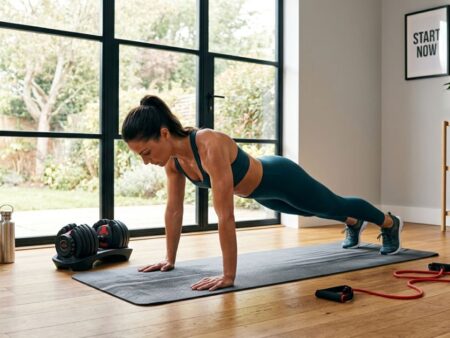
Fitness training is also highly versatile. It can take place in a gym, at home, outdoors, in a swimming pool, or in a yoga studio. It encompasses a wide variety of activities from running and cycling to HIIT workouts, group fitness classes, and recreational sports. There is no single correct way to be fit — the goal simply is to move the body consistently and support overall health.
Defining Bodybuilding: The Art of Sculpting the Body
Bodybuilding, on the other hand, is a much more specific pursuit. It is defined by the deliberate and systematic development of muscle mass, symmetry, and definition — usually with the goal of presenting the physique either for competition or for the personal satisfaction of achieving a sculpted appearance.
Bodybuilders do not simply want to be healthy or functional. They want to craft a specific aesthetic. This involves growing muscle in targeted areas, reducing body fat to reveal muscle definition, and achieving a balanced, proportional look. Competitive bodybuilding takes this even further, with athletes being judged on criteria such as muscle size, symmetry, conditioning, and stage presence.
Key Goals of Bodybuilding
- Maximising muscle hypertrophy (muscle growth)
- Achieving low body fat to enhance muscle definition and separation
- Developing symmetry and proportion across all muscle groups
- Tracking nutritional intake with high precision
- Periodising training through bulking and cutting phases
- Preparing for competitions or personal physique goals
- Building a visually impressive, aesthetically pleasing physique
Bodybuilding is arguably one of the most disciplined sports in existence. Every meal is accounted for, every training session has a specific purpose, and progress is tracked over months and years with great attention to detail.
Fitness vs Bodybuilding: A Side-by-Side Comparison
To make the differences even clearer, here is a comparison of the two approaches across several important categories:
| Category | Fitness | Bodybuilding |
|---|---|---|
| Primary Goal | Overall health and wellbeing | Maximum muscle size and definition |
| Training Focus | Functional strength, cardio, mobility | Hypertrophy, isolation exercises, volume |
| Diet Approach | Balanced, intuitive, moderate tracking | Precise macros, bulking and cutting phases |
| Cardio | Regular, often central to the routine | Used strategically, especially pre-competition |
| Supplements | Optional and minimal | Often extensive and carefully chosen |
| Time Commitment | Moderate (3–5 sessions per week) | High (5–7 sessions, sometimes twice daily) |
| Competition | Rarely competitive | Often aims toward competition |
| Body Composition | Lean and healthy | Very lean with significant muscle mass |
| Flexibility | Lifestyle can vary widely | Requires strict, consistent routine |
Training Methods: How They Differ in the Gym
One of the most noticeable differences between fitness and bodybuilding is how each group approaches training in the gym.
Fitness Training Methods
People training for general fitness often use a combination of resistance training and cardiovascular exercise. Their workouts tend to be more varied and adaptable. They might include:
- Circuit training or full-body workouts
- Compound movements such as squats, deadlifts, and bench press
- Cardio activities like running, cycling, or rowing
- Mobility and flexibility work such as yoga or dynamic stretching
- High-intensity interval training (HIIT)
- Group fitness classes like CrossFit, boot camp, or Pilates
The emphasis is on consistency and balance rather than maximising any one outcome.
Bodybuilding Training Methods
Bodybuilders typically train with a split routine, dedicating separate sessions to different muscle groups. The training is carefully designed to stimulate maximum muscle growth through:
- High-volume, hypertrophy-focused resistance training
- Isolation exercises such as bicep curls, lateral raises, and leg extensions
- Progressive overload — continuously increasing weight or reps over time
- Split routines such as push/pull/legs, upper/lower, or body part splits
- Mind-muscle connection — deliberately contracting the target muscle during each rep
- Strategic use of supersets, drop sets, and rest-pause techniques
Bodybuilding workouts are longer, more targeted, and leave very little room for spontaneity. Every exercise serves a specific purpose in building a particular area of the physique.
Nutrition: The Critical Difference
If training is important, nutrition is arguably even more so — especially for bodybuilders. This is where the two lifestyles diverge most dramatically.
Fitness Nutrition
For the general fitness enthusiast, nutrition is about fuelling the body well. This typically involves:
- Eating a balanced diet rich in whole foods
- Consuming adequate protein to support muscle repair and immune function
- Staying hydrated and maintaining a healthy caloric balance
- Allowing for flexibility and social eating without guilt
- Avoiding heavily processed foods without obsessing over every gram
There is no rigid requirement for calorie counting in fitness-oriented nutrition, though many people find it helpful, especially when trying to lose weight.
Bodybuilding Nutrition
For bodybuilders, nutrition becomes a precise science. Everything eaten is calculated and timed strategically. Common practices include:
- Tracking every gram of protein, carbohydrate, and fat (macronutrient counting)
- Entering a caloric surplus (bulking phase) to build muscle mass
- Entering a caloric deficit (cutting phase) to shed fat while preserving muscle
- Eating multiple meals per day to maintain protein synthesis
- Timing carbohydrates around workouts for optimal energy and recovery
- Using supplements such as protein powders, creatine, BCAAs, and pre-workouts
- In competition prep, following extremely strict dietary protocols that can include manipulating sodium and water intake
The level of dietary discipline required in bodybuilding is something that separates it entirely from general fitness and makes it a lifestyle in itself.
The Mindset and Lifestyle: Two Different Worlds
Beyond the gym and the kitchen, fitness and bodybuilding represent two very different mindsets and daily realities.
The Fitness Mindset
People who train for general fitness tend to approach exercise as one important part of a well-rounded life. Their training supports their life — it does not define it. They may enjoy a social dinner without worrying about macros, take a week off when on holiday, and vary their workouts based on mood, energy, and availability. The mindset is sustainable, flexible, and health-first.
The Bodybuilding Mindset
For a serious bodybuilder, training and nutrition can consume a significant part of daily life. Meal prep takes hours each week. Sleep is prioritised as a tool for muscle recovery. Social situations are sometimes navigated around meal timing and food choices. The pursuit of the perfect physique becomes a central focus rather than a background activity. This level of dedication can be deeply fulfilling for those who love the sport, but it demands a strong sense of commitment.
Can Fitness and Bodybuilding Overlap?
The two are not mutually exclusive. Many people who start training for general fitness gradually develop an interest in building a more muscular physique. Similarly, many bodybuilders genuinely care about health markers like blood pressure, cardiovascular fitness, and longevity — not just aesthetics.
Recreational bodybuilding, sometimes called natural bodybuilding or physique training, sits somewhere in the middle. People in this space train with bodybuilding principles — using splits, tracking macros, and chasing muscle growth — but without the extremes of competitive preparation.
For home trainers, the overlap is also very real. Someone training at home with dumbbells and resistance bands might use bodybuilding-style isolation exercises while still maintaining a fitness-focused, health-oriented mindset. The tools and techniques from bodybuilding are entirely accessible without committing to the full competitive lifestyle.
Which Approach Is Right for You?
Choosing between a fitness approach and a bodybuilding approach depends entirely on personal goals, lifestyle, and what brings joy and motivation to a training routine.
- Choose a fitness-focused approach if the goal is to improve overall health, manage weight, feel more energetic, reduce stress, or simply build a sustainable habit of movement.
- Choose a bodybuilding-focused approach if the goal is to dramatically transform the physique, build significant muscle mass, compete in physique sports, or engage in a highly structured and goal-driven lifestyle.
- Consider a hybrid approach if the goal is to build a lean, muscular physique while maintaining flexibility, balance, and a healthy relationship with food and training.
There is no right or wrong answer. Both paths lead to a stronger, healthier body. The best approach is always the one that someone will actually stick with over the long term.
Final Thoughts
Fitness and bodybuilding both celebrate the human body’s incredible capacity for change, strength, and resilience. Fitness is the broad foundation — a lifelong commitment to moving well and living healthy.
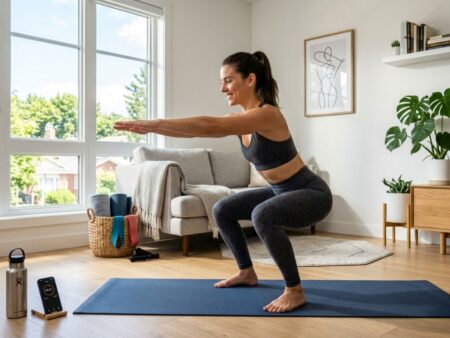
Bodybuilding is the specialised summit — a disciplined, artistic pursuit of the ideal physique. Whether someone is doing bodyweight squats in their living room or prepping for their first competition under stage lights, both paths deserve respect.
Understanding the difference between the two empowers anyone stepping into a gym or rolling out a mat at home to train smarter, set clearer goals, and build a lifestyle that truly reflects what they want to achieve.
Disclaimer: The information provided on this website is for educational and informational purposes only and is not intended as medical advice. Always consult a qualified healthcare professional before starting any exercise program, changing your diet, or using supplements.