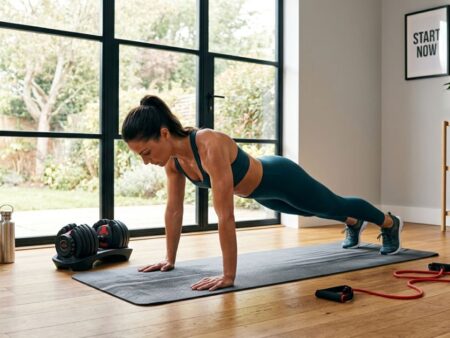
We’re reader-supported. This means when you buy through links on our site, we may earn an affiliate commission.
Building lean muscle is one of the most common goals for people who step into a gym. Unlike bulking up with excess fat or chasing raw strength alone, lean muscle building is about developing a toned, strong, and functional physique while keeping body fat in check. It takes a mix of smart training, proper nutrition, recovery, and consistency.
This article breaks down everything a person needs to know to build lean muscle effectively, whether training at a commercial gym or working out at home with basic equipment.
What Does It Mean to Build Lean Muscle
Lean muscle refers to muscle tissue that is built without a significant increase in body fat. The goal is not just to get bigger, but to get stronger and more defined at the same time. This is different from traditional bulking, where people intentionally eat in a large calorie surplus to maximize muscle size, often gaining noticeable fat along the way.
People who want lean muscle usually aim for a slower, more controlled approach. This means eating just enough extra calories to support muscle growth, training with a mix of resistance and intensity, and paying close attention to recovery. The result is a physique that looks athletic, feels strong, and performs well in daily life or sport.
Why Lean Muscle Matters
Lean muscle offers benefits that go far beyond appearance. A higher amount of lean muscle mass:
- Boosts resting metabolism, helping the body burn more calories even at rest
- Improves insulin sensitivity and supports healthier blood sugar levels
- Strengthens bones and joints, reducing injury risk
- Enhances posture and everyday functional strength
- Supports long term mobility, especially as people age
Core Principles of a Lean Muscle Workout
Before diving into specific exercises, it helps to understand the foundational principles that make a workout effective for lean muscle growth.
Progressive Overload
The muscles need a reason to grow. Progressive overload means gradually increasing the demand placed on the muscles over time. This can be done by adding more weight, increasing reps, adding sets, or reducing rest time between sets. Without this gradual increase, the body has little incentive to build new muscle tissue.
Training Volume and Frequency
Muscle growth responds well to a reasonable amount of training volume, which is the total number of sets and reps performed for a muscle group over a week.
Most people building lean muscle benefit from training each major muscle group two to three times per week rather than just once. This spreads out the workload and gives muscles more opportunities to grow.
Compound and Isolation Movements
A well-rounded lean muscle program includes both compound and isolation exercises.
- Compound exercises work multiple muscle groups and joints at once, such as squats, deadlifts, bench presses, and pull ups. These moves build overall strength and burn more calories per session.
- Isolation exercises target a single muscle group, such as bicep curls or leg extensions. These help refine and shape specific areas of the body.
Rest and Recovery
Muscles do not grow during the workout itself. They grow during the recovery period afterward, when the body repairs the tiny muscle fibers that were broken down during training.
Sleep, hydration, and rest days between intense sessions all play a major role in how well the body builds lean muscle.
Sample Weekly Gym Workout Split
A structured weekly split makes it easier to stay consistent and ensure every muscle group gets proper attention. Below is a sample five day split that balances pushing, pulling, and leg movements for lean muscle development.
| Day | Focus Area | Example Exercises |
|---|---|---|
| Monday | Chest and Triceps | Bench press, incline dumbbell press, tricep dips |
| Tuesday | Back and Biceps | Pull ups, bent over rows, barbell curls |
| Wednesday | Legs and Core | Squats, lunges, leg press, hanging leg raises |
| Thursday | Shoulders and Abs | Overhead press, lateral raises, cable crunches |
| Friday | Full Body or Weak Points | Deadlifts, dips, farmer carries |
| Saturday | Active Recovery or Cardio | Light jogging, swimming, mobility work |
| Sunday | Rest | Complete rest or stretching |
This split can be adjusted based on personal schedule, experience level, and recovery ability. Beginners may prefer a three day full body routine, while more advanced lifters often benefit from this kind of body part split.
Best Exercises for Building Lean Muscle
Upper Body Movements
- Bench press, which builds chest, shoulder, and tricep strength
- Pull ups or lat pulldowns, which develop a wide, strong back
- Overhead press, which targets the shoulders and improves upper body stability
- Rows, which strengthen the mid back and improve posture
- Dips, which work the chest and triceps together
Lower Body Movements
- Squats, considered one of the most effective exercises for overall leg and core strength
- Deadlifts, which train the posterior chain including the hamstrings, glutes, and lower back
- Lunges, which improve balance and single leg strength
- Leg press, useful for adding volume without straining the lower back
- Calf raises, often overlooked but important for a balanced lower body
Core and Stability Work
A strong core supports every other lift and helps prevent injury. Useful core exercises include:
- Planks and side planks
- Hanging leg raises
- Cable woodchoppers
- Weighted sit ups
Home Workout Alternatives
Not everyone has access to a full gym, but lean muscle can still be built at home with the right approach.
Bodyweight Training
Bodyweight exercises can be surprisingly effective when done with proper intensity and progression. Push ups, pull ups on a doorframe bar, bodyweight squats, and dips using sturdy furniture all provide solid stimulus for muscle growth, especially for beginners.
Resistance Bands and Dumbbells
A basic set of adjustable dumbbells or resistance bands opens up a huge range of exercises. These tools allow for progressive overload at home, which is essential for continued muscle growth. Goblet squats, dumbbell rows, shoulder presses, and banded pull aparts are all excellent additions to a home routine.
Sample Home Workout Structure
- Warm up with five to ten minutes of light movement and dynamic stretching
- Perform three to four compound bodyweight or dumbbell exercises
- Add one or two isolation movements for lagging muscle groups
- Finish with core work and a short cool down
Nutrition for Lean Muscle Growth
Training is only part of the equation. Nutrition plays an equally important role in building lean muscle without adding excess fat.
Protein Intake
Protein provides the building blocks needed for muscle repair and growth. Most people building lean muscle benefit from consuming a consistent amount of protein throughout the day, spread across three to five meals. Good sources include:
- Chicken breast, turkey, and lean cuts of beef
- Fish such as salmon and tuna
- Eggs and dairy products like Greek yogurt and cottage cheese
- Plant based options such as lentils, tofu, and quinoa for those following a vegetarian diet
Carbohydrates and Fats
Carbohydrates fuel intense training sessions and help replenish glycogen stores, while healthy fats support hormone production, including hormones directly involved in muscle building. A balanced plate typically includes a source of protein, a portion of complex carbohydrates such as rice, oats, or sweet potatoes, and healthy fats like olive oil, nuts, or avocado.
Slight Calorie Surplus
To build lean muscle rather than pure strength or size, many people aim for a small calorie surplus rather than a large one. This slower approach helps minimize fat gain while still providing enough energy for muscle repair and growth.
Common Mistakes to Avoid
Skipping Recovery Days
Training every single day without rest can lead to overtraining, fatigue, and even muscle loss. Recovery days are not wasted time, they are an essential part of the muscle building process.
Poor Exercise Form
Using heavy weights with poor form increases injury risk and reduces the effectiveness of the exercise. It is usually better to master proper technique with lighter weight before progressively increasing the load.
Not Tracking Progress
Without tracking workouts, weights, and reps, it becomes difficult to know whether progressive overload is actually happening. Keeping a simple workout log, whether on paper or in an app, helps maintain accountability and shows clear progress over time.
Neglecting Sleep
Sleep is when much of the muscle repair process happens. Consistently getting less than the recommended amount of sleep can slow down recovery and blunt overall results, no matter how well designed the workout program is.
How Long Does It Take to See Results
Building visible lean muscle takes time and patience. Most beginners start to notice strength improvements within the first few weeks, though visible muscle changes typically take longer.
- Beginners may notice visible changes within eight to twelve weeks of consistent training
- Intermediate lifters often see slower but steady progress over several months
- Advanced lifters may need to fine tune training variables and nutrition to continue making gains
Consistency matters more than perfection. A well structured program followed consistently for several months will almost always outperform an intense but inconsistent approach.
Final Thoughts
Building lean muscle through gym workouts is a gradual process that combines smart training, proper nutrition, and adequate recovery.
Whether training at a commercial gym with a full range of equipment or working out at home with minimal gear, the same core principles apply: progressively challenge the muscles, eat enough quality protein and calories to support growth, and prioritize rest and recovery.
With patience and consistency, anyone can build a leaner, stronger, and more capable physique over time.
Disclaimer: The information provided on this website is for educational and informational purposes only and is not intended as medical advice. Always consult a qualified healthcare professional before starting any exercise program, changing your diet, or using supplements.