We’re reader-supported. This means when you buy through links on our site, we may earn an affiliate commission.
Walking into a supplement store or scrolling through an online shop for the first time can feel overwhelming. There are protein powders in every flavor imaginable, pre-workouts promising explosive energy, and dozens of pills claiming to build muscle faster than the next.
For someone just starting their fitness journey, the real question is simple: what actually works, and what is just marketing noise?
This article breaks down the best supplement stack for beginners in plain, practical terms. It covers what a “stack” really means, which supplements are worth the investment, which ones can wait, and how to build a routine that supports real results in the gym or at home.
What Does “Supplement Stack” Actually Mean
A supplement stack is simply a combination of products taken together to support a specific goal, whether that’s building muscle, losing fat, improving endurance, or general health. Beginners often assume they need a long list of powders and pills to see progress, but that is far from true.
For someone new to training, the goal of a stack should be to fill nutritional gaps, support recovery, and make consistency easier. It is not about taking everything available on a shelf. In fact, most experienced lifters will say that a small, well-chosen stack outperforms an expensive, oversized one every time.
Why Beginners Should Keep It Simple
New lifters sometimes think more supplements equal faster results. In reality, the body responds most strongly to training stimulus, sleep, and food intake. Supplements are exactly what the word implies: they supplement a solid foundation, they do not replace it.
Starting with a small, effective stack helps in a few important ways:
- It keeps costs manageable while still learning what works for an individual body
- It reduces the risk of stomach discomfort or unwanted interactions from mixing too many products
- It makes it easier to notice which supplement is actually helping and which one is not doing much
- It builds a sustainable habit instead of an overwhelming routine that gets abandoned after a few weeks
The Core Beginner Stack
For most people just getting into strength training or general fitness, four supplements form the foundation of a smart, budget-friendly stack. These are backed by the most research and offer the most noticeable benefits for the price.
Whey or Plant-Based Protein Powder
Protein is the building block of muscle repair and growth. While it is entirely possible to get enough protein from whole foods like chicken, eggs, fish, beans, and dairy, many beginners struggle to hit their daily protein targets through food alone, especially with a busy schedule.
A quality protein powder, whether whey, casein, or a plant-based blend, offers a convenient way to close that gap. It is fast to prepare, easy to digest, and works well as a post-workout shake or a quick snack between meals.
Creatine Monohydrate
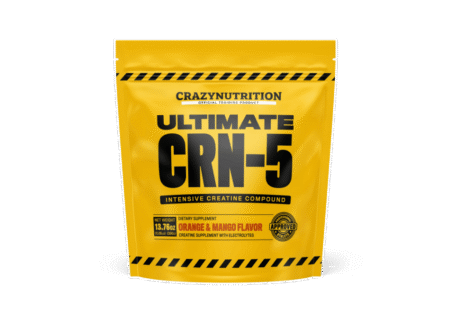
Creatine is one of the most studied and proven supplements in all of sports nutrition. It helps the muscles produce energy more efficiently during short bursts of intense effort, which translates into more reps, more strength over time, and better recovery between sets.
Beginners often skip creatine because they assume it is only for advanced bodybuilders, but it is actually one of the most beginner-friendly supplements available. It is inexpensive, requires no complicated timing, and has decades of safety data behind it.
A Multivitamin
Training puts extra demand on the body, and a multivitamin helps cover any nutritional shortfalls that come from a busy lifestyle or an imperfect diet. It is not a flashy supplement, but it acts as a safety net that supports overall health, energy production, and immune function while someone adjusts to a new training routine.
Fish Oil or Omega-3s
Omega-3 fatty acids support joint health, reduce inflammation, and may aid recovery between training sessions. For beginners who are asking their joints and muscles to do new and unfamiliar work, this can make a noticeable difference in how the body feels day to day.
Supplement Stack Comparison Table
| Supplement | Main Benefit | Best Time to Take | Beginner Priority |
|---|---|---|---|
| Whey or Plant Protein | Muscle repair and recovery | Post-workout or between meals | High |
| Creatine Monohydrate | Strength and power output | Any time, daily consistency matters most | High |
| Multivitamin | Fills nutritional gaps | With breakfast or a meal | Medium |
| Fish Oil / Omega-3s | Joint support and reduced inflammation | With a meal | Medium |
| Pre-Workout | Energy and focus | 20-30 minutes before training | Optional |
| BCAAs / EAAs | Muscle preservation during fasted training | During or before workouts | Optional |
Optional Additions Worth Considering
Once the basics are in place and someone has been training consistently for a few months, a few optional supplements can be layered in depending on personal goals.
Pre-Workout Formulas
Pre-workout supplements typically contain caffeine along with other ingredients designed to boost energy, focus, and blood flow to the muscles. These can be helpful for early morning sessions or when motivation is low, but they are not essential. Beginners sensitive to caffeine should start with a smaller dose to see how their body responds.
BCAAs or EAAs
Branched-chain amino acids or essential amino acids are sometimes used during workouts, particularly for those training in a fasted state. For most beginners eating enough protein throughout the day, these are not strictly necessary, but they can be a helpful tool for people who train early in the morning without eating first.
Fat Burners
Fat burner supplements are heavily marketed but often overhyped. They typically rely on stimulants and do not replace the fundamentals of a calorie-controlled diet and consistent training. Beginners are generally better off saving their money here and focusing on nutrition and workout consistency instead.
How to Build a Beginner Stack Step by Step
Building a stack does not need to happen all at once. Here is a simple approach that works well for someone new to supplements:
- Start with protein powder first, since it is the most versatile and easiest to use daily
- Add creatine monohydrate once protein intake feels consistent
- Introduce a multivitamin to support overall health during the adjustment period
- Add fish oil if joint support or recovery becomes a concern
- Consider a pre-workout only if energy levels are consistently low before training
- Reassess after two to three months and adjust based on how the body is responding
This gradual approach makes it easier to notice what is actually making a difference, rather than mixing everything together and losing track of what is working.
Timing and Dosage Basics
Getting the timing right does not need to be complicated. Here are some general guidelines that apply to most beginners:
- Protein powder works well within an hour or two after training, or any time protein intake is falling short for the day
- Creatine can be taken at any time of day, since consistency matters more than exact timing, with a typical dose of around 3 to 5 grams daily
- Multivitamins are usually best taken with food to improve absorption
- Fish oil should also be taken with a meal to reduce the chance of an upset stomach
- Pre-workout should be taken about 20 to 30 minutes before training to allow the ingredients to kick in
Common Mistakes Beginners Make With Supplements
A lot of new lifters run into the same pitfalls when starting out. Being aware of these can save both money and frustration.
- Buying too many products at once before knowing what the body actually needs
- Expecting supplements to replace proper training and a solid diet
- Skipping creatine due to outdated myths about water retention or kidney harm, when in reality it is one of the safest and most researched supplements available
- Choosing products based on flashy packaging rather than actual ingredient lists
- Ignoring food quality and sleep while over-focusing on supplement timing
Do Supplements Really Matter for Beginners
It is worth being honest here. Supplements are not magic, and no product will build muscle without consistent training and proper nutrition. However, a smart, simple stack can make the journey noticeably easier by improving recovery, filling nutritional gaps, and supporting strength gains over time.
For someone just starting out, the biggest wins will always come from showing up to workouts consistently, eating enough protein and calories to support training goals, and getting quality sleep. Supplements sit on top of that foundation, not underneath it.
Final Thoughts
The best supplement stack for beginners does not need to be complicated or expensive. A solid starting point includes a quality protein powder, creatine monohydrate, a multivitamin, and fish oil. From there, optional additions like pre-workout or amino acids can be introduced based on personal preference and training schedule.
The key takeaway is that supplements work best as a support system for good habits, not a shortcut around them. Anyone starting their fitness journey will get the most value by focusing on consistent training, proper nutrition, and rest first, then using a simple, well-chosen stack to fill in the gaps.
Disclaimer: The information provided on this website is for educational and informational purposes only and is not intended as medical advice. Always consult a qualified healthcare professional before starting any exercise program, changing your diet, or using supplements.