We’re reader-supported. This means when you buy through links on our site, we may earn an affiliate commission.
Anyone who trains regularly knows that what happens before a workout can make or break the entire session. Energy levels, strength output, focus, and even recovery afterward are all tied to one simple but often overlooked factor: pre workout meal timing.
Whether someone is a competitive bodybuilder, a casual gym-goer, or someone who trains at home with minimal equipment, understanding when to eat before exercise can be just as important as understanding what to eat.
This article breaks down the science and practical guidance behind pre workout meal timing, so anyone can walk into their next session feeling fueled, strong, and ready to perform.
Why Pre Workout Meal Timing Matters
The body relies on glycogen, the stored form of carbohydrates in muscles and the liver, as its primary fuel source during exercise. When someone trains on an empty stomach or without adequate fuel, they may experience fatigue, dizziness, or a noticeable drop in strength and endurance.
On the other hand, eating too close to a workout can cause bloating, cramping, or sluggishness, especially if the meal is heavy or high in fat and fiber.
Getting the timing right helps the body do a few important things:
- Supplies working muscles with readily available energy
- Reduces the risk of gastrointestinal discomfort during training
- Helps maintain blood sugar levels for sustained performance
- Supports muscle protein synthesis, which aids in recovery and growth
- Improves mental focus and endurance throughout the session
Since digestion speed varies from person to person, and depends heavily on what is eaten, there is no single answer that fits everyone. However, general guidelines exist that can help most people find their sweet spot.
The General Rule of Thumb
Most sports nutrition experts agree on a few basic timing windows depending on the size and composition of the meal.
Eating 2 to 3 Hours Before Training
This is considered the ideal window for a full, balanced meal. A meal eaten two to three hours before a workout gives the body enough time to digest and absorb nutrients without leaving anything sitting heavy in the stomach. This window works well for:
- A plate with lean protein, complex carbohydrates, and a small amount of healthy fat
- Meals like grilled chicken with rice and vegetables, or a turkey sandwich on whole grain bread
- People who prefer training later in the day after a proper meal earlier on
Eating 45 Minutes to 1 Hour Before Training
For those who do not have a full two to three hours to spare, a smaller, easily digestible snack works best in this window. The goal here is quick-digesting carbohydrates paired with a small amount of protein, avoiding excess fat and fiber that could slow digestion. Good examples include:
- A banana with a spoonful of peanut butter
- A small bowl of oatmeal with berries
- A protein shake mixed with fruit
Eating Within 30 Minutes of Training
This window is trickier and works only for very light, fast-digesting foods, since anything heavier risks causing stomach discomfort mid-workout. Some people thrive on a small amount of fuel right before training, especially if they trained fasted the night before or need a quick energy boost. Options here include:
- A few dates or a small piece of fruit
- A sip of a carbohydrate-electrolyte drink
- A small rice cake with honey
How Meal Size Should Change With Timing
A helpful way to think about pre workout meal timing is that the closer the meal is to the workout, the smaller and simpler it should be. Below is a simple table to visualize this relationship.
| Time Before Workout | Meal Size | Best Food Choices |
|---|---|---|
| 2 to 3 hours | Full meal | Lean protein, complex carbs, small amount of fat |
| 1 to 2 hours | Moderate snack | Protein shake, toast with nut butter, yogurt with fruit |
| 45 minutes to 1 hour | Small snack | Banana, oatmeal, rice cakes |
| 15 to 30 minutes | Minimal fuel | Fruit, honey, sports drink |
This structure helps prevent the common mistake of eating a large meal too close to training time, which is one of the biggest culprits behind cramping, nausea, or a heavy, sluggish feeling during exercise.
What Type of Food Matters Just as Much as Timing
Timing alone will not solve performance issues if the food choices themselves are not suited for exercise. The best pre workout meals typically share a few characteristics.
Prioritize Carbohydrates
Carbohydrates are the body’s preferred energy source during moderate to high intensity exercise. Complex carbohydrates like oats, brown rice, or whole grain bread are great when eaten further out from a workout, while simple carbohydrates like fruit or honey digest faster and are better suited closer to training time.
Include a Moderate Amount of Protein
Protein does not need to dominate a pre workout meal, but including a moderate amount can help reduce muscle protein breakdown and support recovery. Options like eggs, Greek yogurt, chicken, or a scoop of protein powder work well.
Limit Fat and Fiber Close to Training
Both fat and fiber slow digestion. While they are important for overall health, eating a high-fat or high-fiber meal too close to a workout can leave someone feeling heavy, bloated, or gassy while training. It is best to save fattier or fiber-rich meals for at least two to three hours before exercise, or for after the workout is complete.
Does Pre Workout Meal Timing Change for Different Goals?
Pre workout meal timing is not one-size-fits-all. Different training goals may call for slightly different approaches.
For Muscle Building
Those focused on hypertrophy or strength training often benefit from a balanced meal two to three hours before lifting, ensuring glycogen stores are topped off for heavy lifting. A smaller carb and protein snack about 30 to 60 minutes beforehand can also help maximize performance for those training in a fasted or under-fueled state.
For Fat Loss
Some people training in a caloric deficit choose to train fasted or with minimal pre workout food, particularly for lower intensity cardio sessions. This can work for some individuals, but for weight training or high intensity work, a small snack is usually recommended to preserve strength and prevent excessive muscle breakdown.
For Endurance Training
Runners, cyclists, and other endurance athletes typically benefit from a carbohydrate-focused meal a few hours before a long session, along with a small carbohydrate snack closer to the start time to top off glycogen stores for extended effort.
Signs the Timing Might Be Off
Sometimes the best way to dial in pre workout meal timing is by paying attention to how the body responds. A few common signs point to timing that needs adjusting.
- Feeling sluggish, dizzy, or lightheaded during a workout may signal not eating enough beforehand or eating too far in advance
- Cramping, bloating, or nausea during training often points to eating too much or too close to workout time
- Low strength output or early fatigue can be a sign of insufficient carbohydrate intake beforehand
- Needing to use the restroom mid-workout may mean fiber or fat intake was too high in the pre workout meal
Keeping a simple training journal that notes what was eaten and when, alongside how the workout felt, can help identify patterns and fine-tune the approach over time.
Hydration Also Plays a Role
While food timing gets most of the attention, hydration status before training is just as important. Dehydration, even mild, can reduce strength, endurance, and focus. It is generally recommended to drink water consistently throughout the day and have a glass of water alongside any pre workout meal or snack. For longer or more intense sessions, adding electrolytes can help maintain performance, especially in hot environments or during heavy sweating.
Training at Home vs the Gym
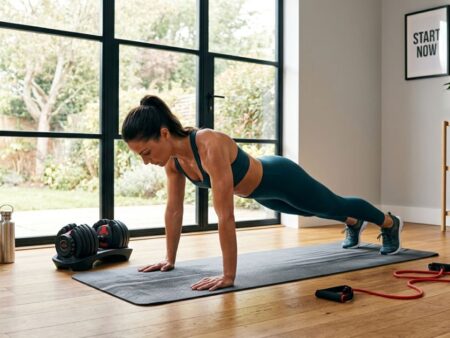
Meal timing principles remain largely the same whether someone trains at home or at a commercial gym, but home training often allows for more flexibility. Without travel time factored in, it becomes easier to eat a small snack exactly 30 to 45 minutes before starting a session. Gym-goers, on the other hand, may need to plan their meals around commute time, so building in a buffer window is helpful to avoid training too soon after eating.
Putting It All Together
Finding the right pre workout meal timing comes down to a mix of general guidelines and personal experimentation. A good starting point looks like this:
- Eat a full, balanced meal two to three hours before training when possible
- Have a small carbohydrate and protein snack 45 minutes to an hour beforehand if a full meal is not an option
- Keep anything eaten within 30 minutes light, simple, and fast-digesting
- Stay hydrated throughout the day, not just right before training
- Adjust based on how the body feels and performs during workouts
Everyone’s digestion and energy needs are a little different, so it may take some trial and error to find the exact timing and food combination that feels best. Once dialed in, proper pre workout meal timing can lead to noticeably better energy, strength, and overall training performance, making every trip to the gym or every home workout session more productive.
Disclaimer: The information provided on this website is for educational and informational purposes only and is not intended as medical advice. Always consult a qualified healthcare professional before starting any exercise program, changing your diet, or using supplements.