We’re reader-supported. This means when you buy through links on our site, we may earn an affiliate commission.
Anyone who has finished a long fat loss phase knows the strange feeling that comes right after. The scale has stopped moving in the direction it was going for weeks, energy feels low, workouts feel harder, and the thought of eating “normal” again feels almost scary.
This is exactly the point where reverse dieting comes in. It is one of the most talked about strategies in the bodybuilding and fitness community, yet it remains one of the most misunderstood.
This article breaks down what reverse dieting actually is, why it matters after a cut, and how to do it properly whether training at a commercial gym or working out at home.
Understanding Reverse Dieting
Reverse dieting is the practice of slowly and deliberately increasing calorie intake after a period of dieting, rather than jumping straight back to maintenance or “normal eating.” The goal is to raise calories in small, controlled steps over several weeks or months while keeping fat gain to a minimum and allowing metabolism to adapt upward.
During a cut, the body is in a calorie deficit for an extended period. This often causes a slowdown in metabolic rate, changes in hunger hormones, lower energy expenditure from daily movement, and sometimes a drop in training performance. Jumping straight from a deficit to a large surplus can cause rapid fat regain and water retention, which can feel discouraging after all the hard work put into the cut.
Reverse dieting is essentially a bridge between the end of a cut and a maintenance or muscle building phase. It gives the body time to readjust without the shock of a sudden calorie jump.
Why the Body Slows Down After a Cut
When someone eats in a deficit for weeks or months, several adaptive changes tend to happen:
- Resting metabolic rate can drop slightly beyond what would be expected from weight loss alone
- Non-exercise activity, like fidgeting, walking, and general movement, often decreases without a person realizing it
- Hunger hormones like ghrelin can rise, while satiety hormones like leptin can fall
- Training intensity and recovery may suffer due to lower energy availability
These changes are the body’s natural response to perceived food scarcity. Reverse dieting works with this biology instead of against it, giving the body a reason to trust that food is plentiful again, which can help restore metabolic rate over time.
Why Reverse Dieting Matters After a Cut
Many lifters finish a cut and either keep eating at low calories out of fear of regaining fat, or they swing hard in the other direction and overeat because they feel deprived. Both approaches tend to backfire.
The Problem With Staying Too Low
Continuing to eat at cutting calories for too long can lead to:
- Persistent fatigue and poor workout performance
- Increased risk of losing muscle mass
- Hormonal disruption, including changes to thyroid function and, in women, menstrual irregularities
- A slower metabolism that makes future dieting even harder
The Problem With Jumping Straight to Maintenance
On the other hand, going from a deficit straight into full maintenance calories can cause:
- Rapid water retention that looks like fat gain, which is discouraging
- Actual fat gain if the jump is too large for the body to handle
- Digestive discomfort from a sudden increase in food volume
Reverse dieting solves both problems by increasing calories gradually enough that the body can adapt, while still moving away from the restriction of the cut.
How Reverse Dieting Works in Practice
The general idea is simple. Calories are increased in small increments, typically every one to two weeks, while tracking body weight, measurements, and how the body responds.
Typical Calorie Increases
Most people increase calories in modest steps rather than large jumps. A common approach looks like this:
| Phase | Weekly Calorie Increase | Duration Before Next Increase |
|---|---|---|
| Early reverse diet | 50 to 100 calories | 1 to 2 weeks |
| Mid reverse diet | 75 to 150 calories | 1 to 2 weeks |
| Late reverse diet | 100 to 200 calories | 1 to 2 weeks |
These numbers are general guidelines rather than strict rules. Someone with a smaller frame or lower activity level might increase on the lower end, while a larger or more active individual might tolerate slightly bigger jumps.
Where the Extra Calories Should Come From
During a reverse diet, most of the added calories usually come from carbohydrates, since carbs support training performance and recovery well. Some fat is often added too, especially if fat was kept very low during the cut. Protein is generally kept steady at a level that supports muscle retention and repair, since it was likely already prioritized during the cutting phase.
Tracking Progress
Reverse dieting works best when there is some form of tracking involved. This does not have to be complicated, but a few things are worth paying attention to:
- Body weight trends over time, ideally averaged across the week rather than judged from a single day
- Waist or other body measurements taken periodically
- Strength and performance in the gym
- Hunger levels and overall energy
- Sleep quality and mood
If weight starts climbing quickly and consistently, calories may need to be held steady for a bit longer before the next increase. If weight stays flat or even continues to drift down, calories can likely be increased a bit more confidently.
Reverse Dieting in the Gym Versus at Home
The core principles of reverse dieting are the same whether someone trains at a commercial gym or works out at home, but there are a few practical differences worth mentioning.
For Gym-Based Training
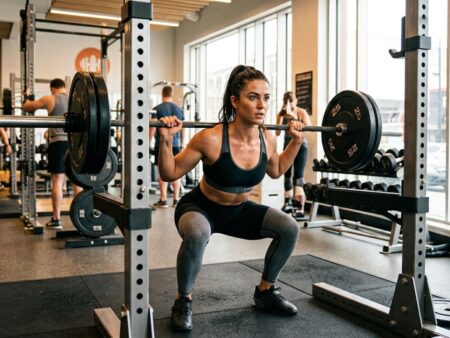
Those training in a gym setting often have access to a wider variety of equipment, which means added calories can be used to support progressive overload across more movements. As energy increases during the reverse diet, many lifters notice they can add weight to the bar, squeeze out extra reps, or recover faster between sessions. This is a great sign that the metabolism is responding well and that training performance is benefiting from the added fuel.
For Home Workouts
Home training often relies more on bodyweight movements, resistance bands, or a limited set of dumbbells. In this case, the extra calories from reverse dieting can be channeled into training more sets, adding tempo work, or simply having enough energy to push through longer sessions. Since equipment options may be more limited at home, doing more work with the same movements is one of the best ways to make use of the improved recovery that comes from increased calories.
In either setting, the underlying goal stays the same: use the extra energy to fuel better training rather than letting it sit unused.
Common Mistakes During Reverse Dieting
Reverse dieting sounds simple on paper, but a few common mistakes can derail the process.
Increasing Calories Too Quickly
Some people get impatient and add large amounts of food all at once. This defeats the purpose of a gradual reverse diet and can lead to faster fat regain than intended.
Reacting to Normal Water Weight Fluctuations
It is completely normal to see the scale jump a few pounds in the first week or two of eating more, especially as glycogen stores refill and the body holds onto more water along with that glycogen. This is not fat gain. Panicking and cutting calories back down at the first sign of a scale increase is one of the most common reasons reverse diets fail before they even get started.
Not Tracking Anything
Trying to reverse diet without any tracking of food or body weight makes it very difficult to know whether progress is actually happening. Even loose tracking, such as a simple food log and a weekly weigh-in, is far better than guessing.
Ignoring Training Performance
Weight on the scale is not the only marker of success. If strength and endurance are improving in the gym or during home workouts, that is a strong indicator that the reverse diet is working, even if the scale is not moving much.
Who Should Consider Reverse Dieting
Reverse dieting tends to be most useful for:
- Bodybuilders or physique competitors coming off a contest prep
- Anyone who has been in a deep or long calorie deficit for many weeks or months
- People who feel constantly hungry, tired, or unmotivated after finishing a cut
- Those who want to build muscle after a cut without immediately regaining fat
It may be less necessary for someone who only dieted for a short period at a mild deficit, since their metabolic adaptation is likely to be minimal. In that case, a quicker return to maintenance calories may be perfectly fine.
How Long Does a Reverse Diet Take
There is no fixed timeline, since it depends on how long the cut lasted, how aggressive the deficit was, and how the individual responds. Some general patterns can help set expectations:
- A short cut of four to six weeks may only need a two to four week reverse diet
- A longer cut of several months, especially one involving a significant deficit, may need eight to twelve weeks or more to fully reverse back to a comfortable maintenance level
- Extreme or prolonged dieting, such as extended contest prep, may require an even longer and more patient reverse diet process
Patience is really the defining trait of a successful reverse diet. The slower and steadier the approach, the more likely it is that calories can be raised significantly without major fat regain.
Signs the Reverse Diet Is Working
A well-executed reverse diet usually comes with a few noticeable signs:
- Steadily increasing calorie intake over time without rapid weight gain
- Improved energy levels throughout the day
- Better sleep quality
- Stronger, more productive workouts whether in the gym or at home
- Reduced hunger and fewer cravings
- A more sustainable, less restrictive relationship with food
Final Thoughts
Reverse dieting after a cut is not about eating whatever feels good and hoping for the best. It is a structured, patient approach to rebuilding calorie intake so the metabolism can recover, energy can return, and training can improve, all while minimizing unwanted fat gain.
Whether someone is lifting heavy at a gym or getting creative with limited equipment at home, the same principles apply: increase calories gradually, track progress honestly, expect some normal water weight fluctuation, and use the extra fuel to train harder and recover better. Done correctly, reverse dieting can turn the end of a cut into the beginning of stronger, more sustainable progress.
Disclaimer: The information provided on this website is for educational and informational purposes only and is not intended as medical advice. Always consult a qualified healthcare professional before starting any exercise program, changing your diet, or using supplements.