We’re reader-supported. This means when you buy through links on our site, we may earn an affiliate commission.
Building muscle takes more than just heavy lifting and a good training split. For anyone trying to pack on size, the right nutrition plan matters just as much as the workout itself. This is where bulking supplements come in.
They are not magic pills, but when paired with a solid diet and consistent training, they can help fill nutritional gaps, support recovery, and make it easier to hit the calorie and protein targets needed for real muscle growth.
This article breaks down the most effective bulking supplements on the market, how they work, and how to use them properly to get the most out of a bulking phase.
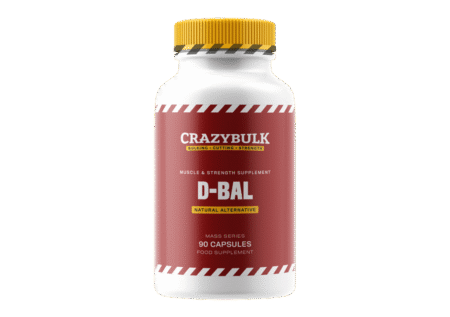
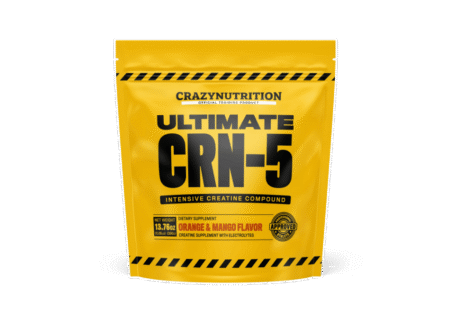
Understanding What “Bulking” Actually Means
Bulking is a phase where someone deliberately eats more calories than their body burns, with the goal of gaining muscle mass over time. Some fat gain usually comes along with it, which is why many lifters cycle between bulking and cutting phases. The success of a bulk depends heavily on three things:
- Eating in a calorie surplus with enough protein
- Training with progressive overload
- Getting enough sleep and recovery time
Supplements do not replace any of these fundamentals. Instead, they support them. Think of supplements as tools that make the process more efficient, not shortcuts that skip the hard work.
Why Supplements Matter During a Bulk
Eating enough food every single day to support muscle growth can be harder than it sounds, especially for people with fast metabolisms or busy schedules. Whole food is always the priority, but supplements can help in a few key ways:
- Making it easier to hit daily protein goals without eating meal after meal
- Providing extra calories in convenient, digestible forms
- Improving workout performance so training sessions are more productive
- Supporting recovery so muscles rebuild faster between sessions
With that in mind, here is a closer look at the supplements that consistently show up as favorites among people serious about gaining size.
Protein Powder
Protein powder is the foundation of almost every bulking stack. Muscle tissue is built from protein, and most people find it difficult to eat enough high protein whole foods every day without supplementation.
Whey Protein
Whey protein is fast digesting and rich in essential amino acids, making it a popular choice right after workouts when the body is primed to absorb nutrients quickly. It mixes easily and comes in countless flavors, which makes it simple to add to a daily routine.
Casein Protein
Casein digests slowly, which makes it a smart option before bed. As the body rests overnight, casein releases amino acids gradually, helping to reduce muscle breakdown during the long stretch without food.
Plant Based Protein
For those who are vegan, vegetarian, or lactose intolerant, plant based protein blends made from pea, rice, or hemp offer a solid alternative. Many modern blends combine multiple plant sources to create a more complete amino acid profile.
Creatine Monohydrate
Creatine is one of the most researched supplements in sports nutrition, and for good reason. It helps regenerate ATP, the energy source muscles use during short, intense bursts of effort like heavy lifting. This translates to more strength, better performance during sets, and over time, more muscle growth.
Creatine also draws water into muscle cells, which can contribute to a fuller, more pumped appearance. Most people take around 3 to 5 grams daily, and it works best when taken consistently rather than only on workout days.
Mass Gainers
Mass gainers are calorie dense powders designed for people who struggle to eat enough food to gain weight. They typically combine protein, carbohydrates, and sometimes healthy fats into one convenient shake.
These are especially useful for:
- People with naturally fast metabolisms
- Those with limited time to prepare or eat multiple meals
- Anyone who has hit a plateau in weight gain despite eating consistently
It is worth checking the label carefully, since some mass gainers are loaded with added sugars and low quality fillers. A better option is often to look for a gainer with a reasonable protein to carb ratio and minimal artificial ingredients, or to simply build a homemade version using protein powder, oats, and nut butter.
Branched Chain Amino Acids (BCAAs) and Essential Amino Acids (EAAs)
BCAAs, which include leucine, isoleucine, and valine, play a role in muscle protein synthesis and may help reduce muscle soreness after tough sessions. Leucine in particular is considered a trigger for kickstarting muscle repair.
That said, for people who already consume enough protein through food and protein powder, BCAAs may offer limited additional benefit. EAAs, which contain all nine essential amino acids rather than just three, are generally viewed as the more complete option for those who want to supplement around training.
Beta-Alanine
Beta-alanine helps buffer acid buildup in muscles during high intensity exercise, which can delay fatigue and allow for a few extra reps per set. Over time, those extra reps add up to more total training volume, which is a key driver of muscle growth.
A common side effect is a tingling sensation on the skin known as paresthesia. It is harmless, but it can catch new users off guard the first time they feel it.
Citrulline Malate
Citrulline malate supports nitric oxide production, which improves blood flow to working muscles. Better blood flow means more oxygen and nutrients delivered during a workout, along with that sought after muscle pump. Many lifters report reduced fatigue and improved endurance during high rep training when using citrulline.
Multivitamins and Micronutrient Support
When calorie intake increases significantly during a bulk, it is easy to overlook micronutrients like vitamins and minerals, especially if the extra calories come from calorie dense but nutrient sparse foods. A basic multivitamin can help cover any gaps, though it should never be viewed as a replacement for eating a variety of whole foods like vegetables, fruits, and whole grains.
Fish Oil and Omega-3s
Fish oil supports joint health, reduces inflammation, and may improve recovery between intense training sessions. Since bulking often involves heavier loads and more training volume, keeping joints healthy becomes even more important to avoid injury and stay consistent in the gym.
Zinc and Magnesium (ZMA)
ZMA is a combination supplement often taken before bed. Zinc and magnesium both play roles in hormone regulation, muscle function, and sleep quality. Since quality sleep is one of the most underrated factors in muscle recovery and growth, some lifters find ZMA helpful, particularly if their diet is lacking in these minerals.
Comparing the Top Bulking Supplements
The table below offers a quick side by side comparison to help decide which supplements might fit into a bulking routine.
| Supplement | Main Benefit | Best Time to Take | Who It Helps Most |
|---|---|---|---|
| Whey Protein | Fast muscle repair | Post workout | Anyone needing more daily protein |
| Casein Protein | Slow, steady amino release | Before bed | Those wanting overnight recovery support |
| Creatine Monohydrate | Strength and power output | Any time, daily | Lifters wanting more strength and size |
| Mass Gainer | Extra calories and protein | Between meals | Hardgainers struggling to eat enough |
| BCAAs / EAAs | Muscle protein synthesis support | Around workouts | Those training fasted or with lower protein intake |
| Beta-Alanine | Delays muscular fatigue | Before workout | Lifters doing high rep training |
| Citrulline Malate | Improved blood flow and pump | Pre workout | Those wanting better endurance and pumps |
| Fish Oil | Joint support, reduced inflammation | With meals | Lifters training heavy and often |
| ZMA | Sleep and hormone support | Before bed | Those with poor sleep or mineral deficiencies |
Building a Simple Bulking Supplement Stack
For someone just getting started, it is easy to feel overwhelmed by the sheer number of products on supplement store shelves. A simple, effective stack does not need to be complicated. A solid starting point often looks like this:
- Whey protein to help hit daily protein targets
- Creatine monohydrate for strength and muscle fullness
- A mass gainer or extra calorie dense snacks if struggling to gain weight
- A basic multivitamin to cover micronutrient gaps
- Fish oil to support joint health during heavier training phases
From there, additional supplements like citrulline, beta-alanine, or ZMA can be added based on individual needs, budget, and how the body responds.
Common Mistakes to Avoid During a Bulk
Even with the right supplements, results can suffer if a few key mistakes creep into the process.
Relying Too Heavily on Supplements
Supplements are meant to fill gaps, not replace real meals. Someone who drinks multiple shakes a day but skips whole food meals is likely missing out on fiber, micronutrients, and the satiety that comes from solid food.
Ignoring Training Progression
No amount of protein powder or creatine will build muscle without progressive overload in the gym. Supplements support the process, but the actual stimulus for growth comes from training.
Overdoing the Calorie Surplus
A common bulking mistake is eating far more than necessary, which leads to excessive fat gain rather than lean muscle. A moderate surplus of around 250 to 500 calories above maintenance is usually enough to support steady muscle growth without piling on unnecessary fat.
Skipping Sleep and Recovery
Muscle is built during rest, not just during the workout itself. No supplement can fully make up for chronic poor sleep or lack of recovery days.
Final Thoughts
The best bulking supplements are the ones that support a well structured diet and training program, not replace them. Protein powder, creatine, and a calorie dense diet form the backbone of most successful bulking phases, while extras like beta-alanine, citrulline, fish oil, and ZMA can offer smaller but meaningful boosts depending on individual goals and gaps in the diet.
Anyone starting a bulking phase should focus first on nailing the basics: eating enough quality food, training with intent, and sleeping well. Once those pieces are in place, the right supplements can help push progress a little further and make the entire process more manageable.
Disclaimer: The information provided on this website is for educational and informational purposes only and is not intended as medical advice. Always consult a qualified healthcare professional before starting any exercise program, changing your diet, or using supplements.