We’re reader-supported. This means when you buy through links on our site, we may earn an affiliate commission.
Love handles are one of the most stubborn areas of fat storage on the human body. Found on the sides of the waist, just above the hips, they can make even a disciplined workout routine feel like it isn’t paying off.
Both men and women struggle with this area, though the reasons behind it and the best strategies to fix it can differ slightly between the sexes.
The good news is that love handles are not permanent. With the right mix of diet, targeted exercise, and lifestyle changes, this problem area can shrink significantly over time.
This article breaks down exactly what love handles are, why they show up, and the most effective ways to get rid of them for good.
What Are Love Handles?
Love handles refer to the pockets of fat that accumulate on the sides of the waist, right above the hip bones. Medically, this area is part of what’s known as the oblique region, since the external oblique muscles sit underneath this fat layer. When fat builds up here, it can spill over the waistband of pants or jeans, creating that classic “handle” shape that gives the area its nickname.
This fat is a mix of subcutaneous fat, which sits just under the skin, and in some cases, deeper visceral fat, which surrounds internal organs. Visceral fat is the more concerning of the two because it has been linked to a higher risk of heart disease, type 2 diabetes, and other metabolic issues. This is one of the biggest reasons losing love handles matters for more than just aesthetics.
Why Love Handles Are So Hard to Lose
Spot reduction, or the idea of losing fat from one specific area by exercising that area alone, is largely a myth. The body decides where it stores and burns fat based on genetics, hormones, and overall body fat percentage, not by which muscles are being worked the hardest.
This is why someone can do hundreds of side bends and still have love handles. Fat loss happens throughout the whole body first, and the areas that store fat most stubbornly, like the waistline, are often the last to shrink.
What Causes Love Handles in Men and Women
Understanding the root causes helps explain why a combined approach works best.
Common Causes for Both Sexes
- Excess calorie intake: Eating more calories than the body burns leads to fat storage, and the waist is a common storage site for both men and women.
- Lack of physical activity: A sedentary lifestyle slows metabolism and encourages fat accumulation around the midsection.
- Poor sleep quality: Inadequate sleep disrupts hormones that regulate hunger and fat storage, particularly cortisol and insulin.
- Chronic stress: High stress levels raise cortisol, a hormone strongly associated with abdominal fat storage.
- Genetics: Some people are simply predisposed to store more fat around the waist and hips due to family history.
Causes More Common in Men
Men tend to store fat in the abdominal area due to higher testosterone levels influencing fat distribution patterns. This is sometimes referred to as an “apple shape” body type. Alcohol consumption, particularly beer, is also frequently linked to love handles in men because of its high calorie content and its effect on liver function and fat storage.
Causes More Common in Women
Women often experience love handle fat due to hormonal fluctuations, especially during menopause when estrogen levels drop and fat storage shifts from the hips and thighs toward the abdomen and waist. Pregnancy and postpartum hormonal changes can also contribute to fat retention in this area.
The Foundation: Diet Comes First
No amount of exercise can outwork a poor diet, especially when the goal is losing fat in a specific area like the waistline. Nutrition should be the first priority for anyone serious about losing love handles.
Create a Sustainable Calorie Deficit
Losing fat requires burning more calories than are consumed. A moderate deficit of around 500 calories per day is generally considered sustainable and leads to gradual, lasting fat loss rather than the rapid loss and rebound that comes with extreme dieting.
Prioritize Protein
Protein helps preserve muscle mass during a calorie deficit, keeps hunger in check, and requires more energy to digest compared to fats or carbohydrates. Good sources include:
- Chicken breast and turkey
- Fish and seafood
- Eggs and egg whites
- Greek yogurt and cottage cheese
- Lentils, beans, and tofu
Cut Back on Added Sugars and Refined Carbs
Sugary drinks, pastries, white bread, and heavily processed snacks spike blood sugar and insulin, which encourages fat storage, particularly around the midsection. Swapping these for whole grains, vegetables, and fiber-rich foods can make a noticeable difference over time.
Watch Alcohol Intake
Alcohol is calorie-dense, offers little nutritional value, and has been closely tied to abdominal fat gain. Reducing alcohol consumption, especially beer and sugary cocktails, is one of the fastest ways to see changes around the waist.
Stay Hydrated
Drinking enough water supports metabolism, helps control appetite, and reduces bloating, which can make love handles appear more prominent than they actually are.
Best Exercises to Lose Love Handles
While spot reduction isn’t possible, a combination of cardio, strength training, and core work will burn overall body fat while building the muscles underneath the love handle area, creating a tighter, more toned look once the fat layer shrinks.
Cardio for Fat Loss
Cardiovascular exercise is essential for creating the calorie deficit needed to lose fat everywhere, including the waist.
- Brisk walking or jogging: Low impact and sustainable for most fitness levels.
- Cycling: Great for building lower body strength while burning calories.
- Swimming: A full-body workout that’s easy on the joints.
- High-Intensity Interval Training (HIIT): Alternates short bursts of intense effort with rest, known for burning significant calories in less time.
Strength Training
Building lean muscle mass increases resting metabolic rate, meaning the body burns more calories even at rest. Full-body strength training should be a core part of any love handle reduction plan.
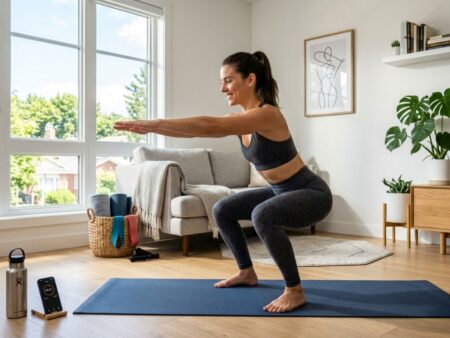
- Squats
- Deadlifts
- Lunges
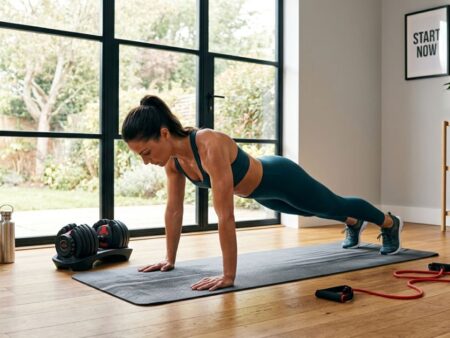
- Push-ups and bench presses
- Rows and pull-ups
Core and Oblique Exercises
While these won’t burn fat directly from the waist, they strengthen and tone the muscles beneath the love handles, which improves shape and posture once body fat drops.
- Side planks: Targets the obliques directly and builds core stability.
- Russian twists: Engages the entire core with a rotational movement.
- Bicycle crunches: Works both the rectus abdominis and obliques.
- Standing side crunches: A simple bodyweight move that can be done anywhere.
- Woodchoppers: Uses a cable or dumbbell to mimic a chopping motion, engaging the obliques through rotation.
Sample Weekly Workout Plan
Below is a simple weekly structure that combines cardio, strength, and core work to target overall fat loss and waistline toning.
| Day | Focus | Example Activities |
|---|---|---|
| Monday | Strength Training (Full Body) | Squats, push-ups, rows |
| Tuesday | Cardio | 30 minutes brisk walk or jog |
| Wednesday | Strength Training (Full Body) | Deadlifts, lunges, bench press |
| Thursday | HIIT + Core | 15 minutes intervals, side planks, bicycle crunches |
| Friday | Strength Training (Full Body) | Pull-ups, rows, squats |
| Saturday | Active Recovery | Walking, swimming, or yoga |
| Sunday | Rest | Full rest or light stretching |
This structure can be adjusted based on fitness level, but consistency across weeks and months is what ultimately drives visible results.
Lifestyle Habits That Support Fat Loss
Beyond diet and exercise, everyday habits play a bigger role in love handle reduction than most people realize.
Get Enough Sleep
Adults should aim for seven to nine hours of quality sleep per night. Poor sleep raises cortisol and ghrelin, the hunger hormone, while lowering leptin, which signals fullness. This combination often leads to overeating and increased fat storage around the abdomen.
Manage Stress Levels
Since cortisol is directly linked to abdominal fat storage, finding ways to manage stress can have a real impact on love handles. Helpful strategies include:
- Regular exercise
- Meditation or deep breathing exercises
- Spending time outdoors
- Journaling or talking through stress with a trusted person
- Limiting screen time, especially before bed
Track Progress the Right Way
The scale doesn’t always tell the full story, especially when building muscle while losing fat. Taking waist measurements, progress photos, and noting how clothes fit can offer a more accurate picture of change than weight alone.
Be Patient and Consistent
Love handles are often one of the last areas to respond to fat loss efforts, simply because of how the body prioritizes fat storage and release. Sticking with a calorie deficit, regular exercise, and healthy habits for several months, rather than expecting results in a few weeks, sets more realistic expectations and leads to lasting change.
Common Mistakes to Avoid
- Relying only on ab exercises: Doing endless crunches without addressing diet or overall activity level won’t burn the fat covering the muscles.
- Extreme calorie restriction: Crash diets often lead to muscle loss, a slower metabolism, and rebound weight gain.
- Ignoring strength training: Cardio alone burns calories, but muscle helps maintain a higher metabolism long term.
- Expecting overnight results: Fat loss, especially in stubborn areas, takes weeks to months of consistent effort.
- Skipping recovery: Overtraining without adequate rest can raise cortisol and stall progress.
Final Thoughts
Losing love handles isn’t about finding one magic exercise or a quick fix. It comes down to a combination of eating in a moderate calorie deficit, prioritizing protein, cutting back on sugar and alcohol, and combining cardio, strength training, and core work into a consistent weekly routine.
Sleep, stress management, and patience matter just as much as time spent in the gym.
For both men and women, the path to a leaner waistline is built on small, sustainable habits practiced over time, not drastic short-term changes.
Disclaimer: The information provided on this website is for educational and informational purposes only and is not intended as medical advice. Always consult a qualified healthcare professional before starting any exercise program, changing your diet, or using supplements.