We’re reader-supported. This means when you buy through links on our site, we may earn an affiliate commission.
Anyone who has spent time in a gym locker room or scrolled through fitness forums has heard the same debate over and over again. How much protein does a person really need while bulking?
Some lifters swear by massive amounts, chugging shakes every two hours, while others believe the whole thing is overhyped marketing from supplement companies.
The truth sits somewhere in the middle, and understanding it can make a real difference in how much muscle someone builds during a bulking phase.
Bulking is a period where a person intentionally eats more calories than they burn in order to support muscle growth. It sounds simple, but the quality of those extra calories matters just as much as the quantity. Protein plays a starring role in this process because it supplies the amino acids needed to repair and build new muscle tissue after intense training sessions. Without enough protein, a bulk can turn into a phase of mostly fat gain rather than the lean muscle most people are chasing.
Why Protein Matters So Much During a Bulk
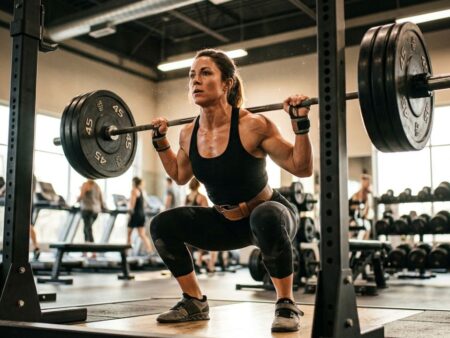
When someone lifts weights, especially heavy compound movements like squats, deadlifts, and bench presses, tiny tears form in the muscle fibers. The body responds to this stress by rebuilding those fibers stronger and slightly larger than before. This repair process is called muscle protein synthesis, and it cannot happen efficiently without a steady supply of dietary protein.
During a calorie surplus, the body already has extra energy available, which creates a favorable environment for growth. But calories alone will not build muscle. Protein provides the actual building blocks, specifically amino acids like leucine, which is known to trigger the muscle building process at a cellular level.
A bulking phase without adequate protein often leads to disappointing results. The person may gain weight on the scale, but a large portion of that weight could be fat rather than muscle. This is why protein intake deserves just as much attention as total calorie intake when planning a bulk.
General Protein Guidelines for Bulking
Most sports nutrition research points to a fairly consistent range for people trying to build muscle. The generally accepted recommendation is somewhere between 1.6 grams and 2.2 grams of protein per kilogram of body weight per day. For those who think in pounds, this translates to roughly 0.7 to 1 gram of protein per pound of body weight.
This range applies to most people engaged in regular resistance training, whether they train at a commercial gym, a home gym, or use bodyweight exercises. Going above this range does not appear to provide significant additional benefit for most natural lifters, though it is not necessarily harmful either as long as overall calorie and macronutrient balance is maintained.
A Simple Reference Table
| Body Weight | Protein Range (Grams per Day) |
|---|---|
| 130 lbs (59 kg) | 91 to 130 grams |
| 150 lbs (68 kg) | 105 to 150 grams |
| 170 lbs (77 kg) | 119 to 170 grams |
| 190 lbs (86 kg) | 133 to 190 grams |
| 210 lbs (95 kg) | 147 to 210 grams |
| 230 lbs (104 kg) | 161 to 230 grams |
This table offers a starting point, but individual needs can shift based on training experience, age, and how aggressive the bulk is.
Factors That Influence Protein Needs
Not everyone needs the exact same amount of protein, even at similar body weights. Several factors can push someone toward the higher or lower end of the recommended range.
Training Experience
Beginners often see rapid muscle growth in their first year of lifting, sometimes referred to as newbie gains. Interestingly, research suggests that beginners may not need quite as much protein as advanced lifters because their bodies are highly responsive to training stimulus. Advanced lifters, on the other hand, often benefit from staying closer to the higher end of the range since their progress has slowed and every advantage counts.
Body Composition
Someone who is leaner tends to need a slightly higher protein intake relative to their total body weight compared to someone with a higher body fat percentage. This is because protein needs are more closely tied to lean body mass than total body weight. A very lean bodybuilder and a person with more body fat at the same total weight will not have identical protein requirements.
Type and Intensity of Training
People who train with heavier loads, higher volume, or more frequent sessions typically place greater demand on their muscles, which can increase the benefit of higher protein intake. Someone doing light home workouts a few times a week will not need the same amount as a competitive powerlifter training six days a week.
Overall Calorie Surplus
The size of the bulk matters too. A lean bulk, which involves a smaller calorie surplus, may rely more heavily on adequate protein to maximize muscle gain while minimizing fat gain. A dirty bulk with a large calorie surplus already provides plenty of energy, but protein still needs to be prioritized to ensure the extra calories translate into muscle rather than just fat storage.
Lean Bulk vs Dirty Bulk and Protein Needs
Bulking styles vary widely, and protein strategy should adjust accordingly.
- Lean bulking involves a modest calorie surplus, usually around 200 to 300 calories above maintenance. Protein intake should sit at the higher end of the recommended range to make the most of the limited extra calories and to preserve a favorable muscle to fat gain ratio.
- Dirty bulking involves a larger calorie surplus, sometimes 500 calories or more above maintenance. While muscle gain can happen quickly, fat gain often comes along with it. Keeping protein high still helps direct some of those extra calories toward muscle tissue rather than allowing everything to be stored as fat.
- Moderate bulking falls in between the two, and most coaches consider this the most sustainable approach for long term progress without excessive fat gain.
Regardless of which style someone chooses, protein should remain a consistent priority throughout the process.
Best Protein Sources for Bulking
Hitting a daily protein target becomes much easier when a person knows which foods deliver the most bang for their buck. A mix of animal and plant based sources tends to work well for most people.
- Chicken breast and turkey
- Lean beef and pork
- Eggs and egg whites
- Greek yogurt and cottage cheese
- Fish such as salmon, tuna, and tilapia
- Whey and casein protein powder
- Tofu, tempeh, and edamame
- Lentils, chickpeas, and black beans
- Quinoa and other whole grains with complementary amino acids
Whole food sources should generally make up the bulk of daily protein intake, with protein powder used as a convenient supplement when meeting the target through food alone becomes difficult. This is especially useful for people with busy schedules or those who struggle with a large appetite during a calorie surplus.
Timing and Distribution of Protein Intake
While total daily protein intake is the most important factor, how that protein is spread throughout the day can also play a role in maximizing muscle growth.
Spreading Protein Across Meals
Research suggests that consuming protein in evenly spaced doses throughout the day, roughly every three to five hours, may be more effective for stimulating muscle protein synthesis compared to eating most of it in one or two large meals. A practical approach involves spreading intake across three to five meals, each containing a solid source of protein.
Protein Around Workouts
Many lifters focus heavily on the post workout window, believing there is a tiny anabolic window that must be hit within minutes of finishing a session. In reality, the overall daily protein intake matters far more than precise timing. That said, having a protein containing meal or shake within a couple of hours before or after training is a reasonable and practical habit that supports recovery.
Protein Before Bed
Some studies suggest that consuming a slow digesting protein source, such as casein or cottage cheese, before bed may support muscle repair overnight. This is not a requirement, but it can be a useful strategy for those trying to maximize their total daily intake, especially if they have room for an extra snack before sleep.
Common Mistakes People Make With Protein While Bulking
Even well intentioned lifters sometimes get their protein strategy wrong during a bulk. Being aware of these common pitfalls can help someone stay on track.
- Focusing only on protein while ignoring total calorie intake, which can stall muscle growth even with high protein numbers.
- Relying too heavily on protein shakes and neglecting whole food sources that also provide important vitamins and minerals.
- Assuming more protein always equals more muscle, when in reality intake beyond the recommended range offers diminishing returns.
- Skipping meals and trying to cram all protein into one or two sittings instead of spreading it out.
- Not adjusting protein intake as body weight increases throughout the bulking phase.
How to Calculate Personal Protein Needs
For anyone wanting a more precise number, the process is fairly simple.
- Determine current body weight in kilograms or pounds.
- Multiply by 1.6 to 2.2 if using kilograms, or by 0.7 to 1 if using pounds.
- Choose a number within that range based on training experience and bulk style, leaning higher for advanced lifters or leaner bulks.
- Recalculate periodically as body weight changes throughout the bulking phase to keep intake accurate.
This gives a personalized daily protein target that can be tracked using a food journal or a nutrition tracking app.
Balancing Protein With Other Macronutrients
While protein deserves significant attention, it should not come at the expense of carbohydrates and fats. Carbohydrates fuel intense training sessions and help replenish muscle glycogen, while healthy fats support hormone production, including testosterone, which plays a role in muscle building. A well rounded bulking diet typically includes:
- Protein making up roughly 25 to 30 percent of total calories
- Carbohydrates making up roughly 40 to 50 percent of total calories
- Fats making up roughly 20 to 30 percent of total calories
These percentages can shift slightly based on individual preference and how the body responds, but ignoring carbohydrates and fats in favor of protein alone is not an effective long term strategy.
Final Thoughts on Protein and Bulking
Protein intake plays a central role in turning a calorie surplus into real muscle growth rather than simple weight gain. Most people benefit from a daily intake somewhere between 1.6 and 2.2 grams per kilogram of body weight, adjusted based on training experience, body composition, and the style of bulk being followed.
Pairing this protein target with a well balanced intake of carbohydrates and fats, along with consistent resistance training, gives the body everything it needs to build muscle efficiently.
There is no need to obsess over perfect timing or chase extreme protein numbers beyond what the body can actually use. A steady, well distributed intake of quality protein sources throughout the day, combined with patience and consistency in the gym, remains the most reliable path to a successful and productive bulking phase.
Disclaimer: The information provided on this website is for educational and informational purposes only and is not intended as medical advice. Always consult a qualified healthcare professional before starting any exercise program, changing your diet, or using supplements.