We’re reader-supported. This means when you buy through links on our site, we may earn an affiliate commission.
Stepping on stage under bright lights, oiled up and flexing in front of judges, is the final moment of a process that often takes months of careful planning. Bodybuilding competition prep is not something athletes throw together in a few weeks.
It is a structured journey that blends strict nutrition, demanding training, mental discipline, and careful attention to small details that most gym goers never think about.
Whether someone dreams of stepping on stage themselves or simply wants to understand what their favorite athletes go through, this article breaks down exactly how bodybuilders prepare for competitions.

Understanding the Bodybuilding Prep Timeline
Competition prep does not start the week before a show. Most competitive bodybuilders begin planning somewhere between four and six months out, though some start even earlier depending on how much fat they need to lose or muscle they need to build. This period is often broken into phases, each with its own goals and challenges.
The Off Season
Before prep even begins, bodybuilders spend time in what is called the off season. During this phase, the goal is to build as much lean muscle as possible while keeping fat gain to a minimum. Training is heavier, calories are higher, and recovery is prioritized. This is the foundation that everything else is built on, since the more muscle someone carries into prep, the better they will look once body fat comes down.
The Prep Phase
Once a competitor commits to a show date, they shift into what is known as contest prep. This is where calories are gradually reduced, cardio is introduced or increased, and training becomes more focused on maintaining muscle rather than building new size. The goal during this phase is to strip away body fat while holding onto as much muscle as possible, which is a delicate balancing act that requires patience and consistency.
Peak Week
The final week before a show is often called peak week. This is when bodybuilders manipulate water, sodium, and carbohydrate intake to bring out maximum muscle definition and vascularity. It is one of the most talked about and misunderstood parts of the entire process, and small mistakes during this week can undo months of hard work.
Nutrition During Competition Prep
Nutrition is arguably the most important piece of the puzzle. Bodybuilders track their food intake with precision, often weighing meals on a food scale and logging every gram of protein, carbohydrate, and fat.
Calorie and Macronutrient Adjustments
As prep progresses, calories are typically lowered in small increments rather than large cuts. This slow and steady approach helps preserve muscle mass and keeps metabolism from crashing too quickly. Protein intake usually stays high throughout the entire process to support muscle retention, while carbohydrates and fats are adjusted based on how the body responds week to week.
Common nutrition strategies used during prep include:
- Eating several smaller meals throughout the day to manage hunger and support digestion
- Prioritizing lean protein sources such as chicken breast, egg whites, white fish, and lean beef
- Choosing complex carbohydrates like rice, oats, and sweet potatoes for sustained energy
- Including healthy fats in moderation to support hormone production
- Drinking large amounts of water to aid digestion and help the body process nutrients efficiently
Tracking Progress
Progress is not just measured on the scale. Bodybuilders and their coaches track weekly progress photos, body measurements, and sometimes body fat percentage readings. This helps determine whether calories need to be adjusted or whether cardio needs to increase.
Training Adjustments for Competition
Training during prep looks different than training during the off season. While the off season focuses on building muscle with heavier loads, prep training often shifts toward maintaining muscle while burning fat.
Resistance Training
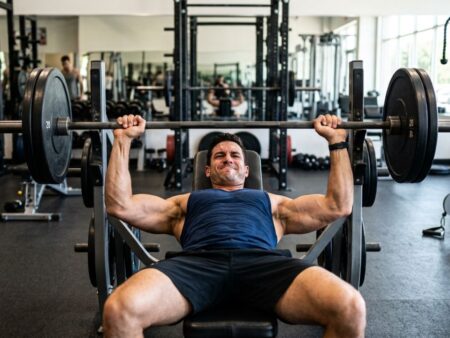
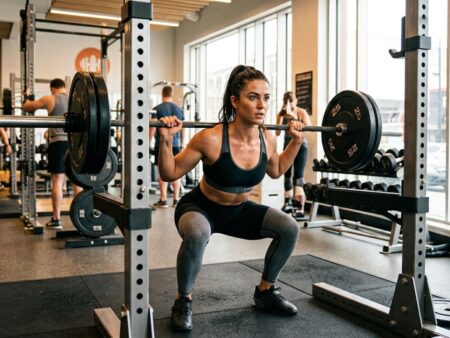
Most competitors keep lifting weights throughout the entire prep process. The goal is to send a strong enough signal to the muscles so the body has a reason to hold onto them even in a calorie deficit. Training splits often stay similar to what worked during the off season, though volume and intensity may be adjusted based on energy levels and recovery.
Cardio Integration
Cardio is typically introduced gradually as prep progresses. Rather than starting with hours of cardio right away, most bodybuilders add small amounts each week only as needed. This approach helps preserve muscle and prevents the body from adapting too quickly, which could stall fat loss later in the process.
Types of cardio commonly used include:
- Low intensity steady state cardio such as walking on an incline
- Moderate intensity cardio like cycling or the stair climber
- High intensity interval training in smaller doses closer to a show
Posing Practice
Posing is a skill in itself, and it is often overlooked by beginners. Bodybuilders spend hours in front of a mirror practicing mandatory poses for their division, learning how to hold a flex for extended periods without shaking, and working on transitions between poses. Many competitors hire a posing coach in the final weeks to refine their presentation, since how a physique is presented on stage can be just as important as the physique itself.
The Role of Coaching and Support
Very few competitive bodybuilders go through prep entirely alone. Most work with an experienced coach who helps guide nutrition, training, and cardio decisions based on how the client’s body is responding.
What a Coach Provides
A good coach brings objectivity to a process that can become emotionally difficult. Since competitors see their own bodies every day, it can be hard to notice gradual changes or to make unbiased decisions about adjustments. A coach reviews photos, check-in data, and measurements to make informed calls that the athlete might struggle to make on their own.
Building a Support System
Beyond a coach, many bodybuilders lean on training partners, family members, or online communities for encouragement. Prep can be mentally and physically draining, especially in the final weeks when energy is low and hunger is high, so having people who understand the process can make a real difference.
Peak Week Explained
Peak week deserves its own detailed look because it is often the most confusing part of prep for people outside the sport.
Water and Sodium Manipulation
In the days leading up to a show, many competitors adjust their water and sodium intake in a specific pattern. The idea is to manipulate how the body holds water under the skin, which helps create a tighter, more defined appearance on stage. This process varies widely from person to person and is highly individual, which is why experienced guidance is so important during this phase.
Carbohydrate Loading
Many bodybuilders also perform what is called a carb load in the final days before a show. After weeks of lower carbohydrate intake, increasing carbs can help fill out the muscles and create a fuller, more rounded look. Timing and amount depend on how each individual’s body responds.
Final Adjustments
In the last 24 to 48 hours, small tweaks are made based on how the physique looks in the mirror. This might include adjusting water intake, tweaking carbohydrate amounts, or making minor changes to activity levels.
Comparing Prep Phases
The table below offers a simple overview of how the different phases of competition prep typically differ from one another.
| Phase | Primary Goal | Calorie Approach | Cardio Level | Training Focus |
|---|---|---|---|---|
| Off Season | Build muscle | Surplus or maintenance | Minimal | Heavy, progressive overload |
| Early Prep | Begin fat loss | Slight deficit | Low to moderate | Maintain strength and muscle |
| Mid Prep | Steady fat loss | Moderate deficit | Moderate | Preserve muscle, manage fatigue |
| Late Prep | Maximize definition | Larger deficit | Higher | Lighter loads, more focus on form |
| Peak Week | Final presentation | Carb and water manipulation | Minimal to none | Posing practice, rest |
Mental Preparation for Competition
The physical side of prep gets most of the attention, but the mental side is just as demanding. Competitors deal with hunger, fatigue, irritability, and self doubt over the course of many weeks.
Staying Consistent
Consistency is often more important than perfection. Missing a workout or having an imperfect meal will not ruin months of progress, but constantly falling off track will. Successful competitors learn to focus on the bigger picture rather than obsessing over small daily setbacks.
Managing Stress and Expectations
Many bodybuilders use visualization techniques, journaling, or simple daily routines to manage stress during prep. Setting realistic expectations about how the body will look and feel throughout the process can also help competitors stay grounded, especially during the tougher weeks when energy is low.
Final Preparations Before Stepping on Stage
In the hours before a show, there are still a few important steps left.
- Applying tanning products to enhance muscle definition under stage lighting
- Doing a final posing run through to feel confident and prepared
- Eating small, familiar meals to avoid digestive issues before stepping out
- Staying warm and pumped backstage with light resistance exercises
These final touches might seem small, but they can influence how a physique appears under the intense lighting of a competition stage.
Conclusion
Bodybuilding competition prep is a long, detailed process that goes far beyond simply eating less and training more. It involves careful planning across months, constant monitoring and adjustments, mental resilience, and a strong support system. From the off season foundation to the final peak week adjustments, every stage plays an important role in how a competitor looks and performs on stage.
Understanding this process offers a deeper appreciation for the dedication behind every bodybuilder who steps into the spotlight, and it can also offer valuable lessons for anyone working toward their own fitness goals, even outside of competition.
Disclaimer: The information provided on this website is for educational and informational purposes only and is not intended as medical advice. Always consult a qualified healthcare professional before starting any exercise program, changing your diet, or using supplements.