We’re reader-supported. This means when you buy through links on our site, we may earn an affiliate commission.
Starting a bodybuilding journey can feel overwhelming. Between the rows of unfamiliar equipment, the intimidating regulars flexing in the mirror, and the endless conflicting advice online, many beginners don’t know where to begin. The good news?
Every experienced bodybuilder was once exactly where a beginner is today. With the right foundation, the right mindset, and the right approach, anyone can start bodybuilding successfully — whether that’s at a commercial gym or in the comfort of their own home.
This guide walks through everything a beginner needs to know to get started, build momentum, and make real, lasting progress.

Understanding What Bodybuilding Actually Is
Before diving into workouts and meal plans, it helps to understand what bodybuilding truly means. Bodybuilding is the practice of developing the muscular structure of the body through progressive resistance training, proper nutrition, and adequate recovery. It’s not just about lifting heavy weights — it’s a lifestyle that combines discipline, consistency, and patience.
For beginners, bodybuilding doesn’t mean competing on stage or turning professional. It simply means working toward a stronger, more muscular physique through intentional training and healthy habits. Whether the goal is to gain muscle, lose fat, improve posture, or simply feel more confident, bodybuilding principles apply to everyone.
Setting Clear and Realistic Goals
One of the first — and most important — steps for any beginner is setting clear, realistic goals. Without a target, progress becomes impossible to measure, and motivation tends to fade quickly.
Beginners should ask themselves:
- Do they want to build overall muscle mass?
- Are they looking to lose fat while preserving muscle (body recomposition)?
- Do they want to improve strength and athletic performance?
- Is the goal primarily aesthetic, functional, or both?
Once a goal is identified, it becomes much easier to choose the right training program, nutrition approach, and recovery strategy. Goals should be specific, measurable, and achievable within a realistic timeframe — expecting to look like a fitness magazine cover after three months sets up frustration rather than success.
A good rule of thumb: beginners can realistically expect to gain between 1 to 2 pounds of muscle per month during the first year of training, known as the “newbie gains” phase. This is the period when the body responds most dramatically to new stimulus.
Choosing the Right Training Environment
One of the early decisions beginners face is where to train. Both gyms and home setups have their advantages and drawbacks.
Training at a Gym
A commercial gym offers a wide variety of equipment, which provides exercise variety and progression options. Gyms also offer the benefit of atmosphere — being surrounded by others who are working toward similar goals can be motivating. Many gyms provide access to personal trainers who can guide beginners through proper form and technique.
Potential drawbacks include membership costs, commute time, and initial feelings of self-consciousness. These fade quickly, however, as most gym communities are welcoming to newcomers.
Training at Home
A home gym can be a cost-effective and convenient option, especially for those with busy schedules or limited access to commercial facilities. A basic setup — including a set of adjustable dumbbells, resistance bands, and a pull-up bar — can get a beginner surprisingly far.
The main challenge with home training is limited equipment variety and the absence of external motivation. However, with a structured program and the right mindset, plenty of people have built impressive physiques entirely from home setups.
Building a Beginner Training Program
A well-structured training program is the backbone of any successful bodybuilding journey. For beginners, the priority is not to lift the heaviest weight possible — it’s to learn proper movement patterns, build a base of strength, and train consistently over time.
Key Training Principles for Beginners
- Progressive Overload: This is the single most important principle in bodybuilding. It means gradually increasing the stress placed on the muscles over time — whether through heavier weights, more reps, or reduced rest periods. Without progressive overload, the body has no reason to adapt and grow.
- Compound Movements First: Exercises like squats, deadlifts, bench press, overhead press, and rows recruit multiple muscle groups simultaneously, making them the most efficient way to build overall size and strength.
- Proper Form Over Heavy Weight: Lifting with poor technique increases injury risk and reduces the effectiveness of the exercise. Beginners should master form before chasing numbers on the bar.
- Training Frequency: Most beginner programs recommend training 3 to 4 days per week, hitting each muscle group at least twice. Full-body routines or upper/lower splits work exceptionally well for beginners.
- Rest and Recovery: Muscles don’t grow during workouts — they grow during recovery. Sleep, rest days, and managing stress are all essential parts of the process.
Sample Weekly Training Split for Beginners
| Day | Focus | Example Exercises |
|---|---|---|
| Monday | Full Body | Squat, Bench Press, Bent-Over Row |
| Tuesday | Rest or Light Cardio | Walking, Stretching |
| Wednesday | Full Body | Deadlift, Overhead Press, Pull-Up/Assisted |
| Thursday | Rest or Light Cardio | Yoga, Foam Rolling |
| Friday | Full Body | Lunges, Incline Press, Cable Row |
| Saturday | Optional Accessory Work | Bicep Curls, Tricep Pushdowns, Core |
| Sunday | Full Rest | Recovery, Meal Prep |
This structure allows each muscle group to be trained multiple times per week while providing enough recovery between sessions.
The Role of Nutrition in Bodybuilding
No matter how hard a person trains, the body cannot build muscle without the right nutritional foundation. Nutrition is often referred to as “the other half” of bodybuilding — some even argue it’s the more important half.
Protein: The Building Block of Muscle
Protein is the primary macronutrient responsible for muscle repair and growth. Beginners aiming to build muscle should aim for approximately 0.7 to 1 gram of protein per pound of body weight per day. For a 170-pound individual, that means 120 to 170 grams of protein daily.
High-protein food sources include:
- Chicken breast, turkey, and lean beef
- Eggs and egg whites
- Fish such as salmon, tuna, and tilapia
- Greek yogurt and cottage cheese
- Legumes, tofu, and tempeh (excellent for plant-based athletes)
- Whey or plant-based protein supplements
Calories and Macronutrients
Building muscle requires a slight caloric surplus — eating slightly more calories than the body burns. A surplus of 200 to 300 calories per day above maintenance is generally sufficient to support muscle growth without excessive fat gain.
Cutting fat, on the other hand, requires a caloric deficit. Some beginners can achieve both muscle gain and fat loss simultaneously (recomposition), especially in the early stages of training when the body is particularly responsive.
Carbohydrates serve as the body’s primary energy source for workouts, while fats support hormone production, including testosterone — a key hormone in muscle building.
Hydration
Water is often underestimated in its importance to performance and recovery. Beginners should aim to drink at least half their body weight in ounces of water per day, and more on training days.
Mastering the Foundational Exercises
Before adding complexity to a training program, beginners should focus on mastering a handful of foundational movements. These exercises form the core of most effective bodybuilding programs and recruit the largest muscle groups.
The Big Five Beginner Movements
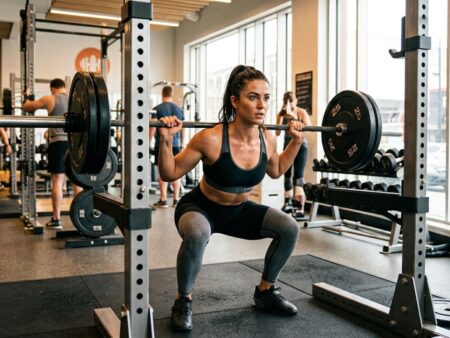
- The Squat: Often called the king of all exercises, the squat targets the quadriceps, hamstrings, glutes, and core. Beginners can start with bodyweight squats before progressing to goblet squats and then barbell squats.
- The Deadlift: A full-body pulling movement that builds posterior chain strength (hamstrings, glutes, lower back, traps). Mastering hip hinge mechanics is critical before loading this movement heavily.
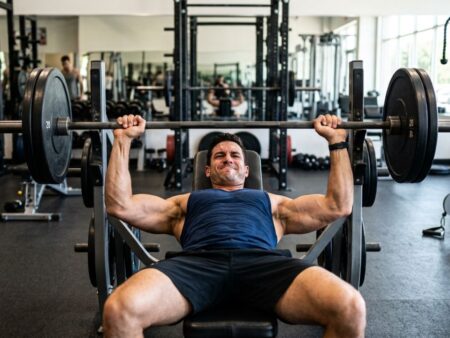
- The Bench Press: The primary pushing exercise for chest, front deltoids, and triceps. Beginners can start with dumbbells to develop unilateral strength and stability before transitioning to a barbell.
- The Overhead Press: Builds shoulder strength and stability while engaging the core. Dumbbells or a barbell both work well depending on the training environment.
- The Row: Whether a barbell row, dumbbell row, or cable row, horizontal pulling movements are essential for back thickness and posture. They counterbalance all the pushing work and protect the shoulder joints.
Avoiding Common Beginner Mistakes
Many beginners derail their progress by falling into predictable traps. Being aware of these mistakes from the start can save months of wasted effort.
- Skipping warm-ups: Jumping straight into heavy lifting without warming up the joints and muscles significantly increases injury risk. A 5–10 minute warm-up is non-negotiable.
- Training without a program: Random workouts produce random results. Following a structured, proven beginner program removes guesswork and ensures all muscle groups are trained consistently.
- Neglecting sleep: The body releases growth hormone during deep sleep. Getting 7 to 9 hours per night is one of the most powerful recovery tools available — and it’s free.
- Comparing progress to advanced athletes: Social media is full of people who have been training for years, used steroids, or benefited from exceptional genetics. Comparing beginner results to elite athletes is a recipe for discouragement.
- Changing programs too frequently: Known as “program hopping,” switching routines every two to three weeks prevents the body from adapting. Beginners should stick with a program for at least 8 to 12 weeks before evaluating results.
- Ignoring rest days: More is not always better. Muscles grow when they rest, not when they train. Overtraining leads to fatigue, decreased performance, and increased injury risk.
Tracking Progress and Staying Motivated
Consistency over months and years is what separates those who achieve their bodybuilding goals from those who give up. Tracking progress and maintaining motivation are crucial for long-term success.
Ways to Track Progress
- Progress photos: Taken under consistent lighting and from the same angles, photos taken every 2 to 4 weeks provide a powerful visual record of change that scales and measurements can miss.
- Training logs: Recording weights lifted, sets, and reps for each workout allows beginners to identify where they’re progressing and where they’re stalling.
- Body measurements: Measuring key areas like the chest, waist, hips, arms, and thighs gives a more complete picture than scale weight alone.
- Performance benchmarks: Tracking personal records on key lifts is a direct indicator of muscle and strength development.
Staying Motivated Over the Long Term
- Finding a training partner or online accountability community
- Setting milestone goals (first pull-up, first 100-pound bench press)
- Celebrating small victories along the way
- Following inspiring athletes or coaches whose content adds value rather than discouragement
- Remembering the “why” behind the journey — health, confidence, discipline, longevity
Supplements: What Beginners Actually Need
The supplement industry is flooded with products promising fast results, but the truth is that supplements play a much smaller role than food, training, and sleep. For beginners, only a handful of supplements are worth considering.
- Whey protein: A convenient way to hit daily protein targets, particularly post-workout. It’s not magical — it’s just a food source in powder form.
- Creatine monohydrate: One of the most researched and effective supplements available. Creatine supports strength, power output, and muscle cell volumization. A daily dose of 3 to 5 grams is effective and safe for most people.
- Vitamin D: Many people are deficient, particularly those in regions with limited sunlight. Adequate vitamin D supports testosterone production and overall health.
- Caffeine: Found in coffee and pre-workout supplements, caffeine can enhance focus and performance. Beginners should use it sparingly and avoid dependence.
Everything else — fat burners, mass gainers, exotic amino acid blends — is largely unnecessary for beginners and often overpriced. Getting nutrition fundamentals right first is far more valuable than any supplement stack.
The Mental Side of Bodybuilding
Physical transformation is as much a mental journey as a physical one. Building a strong body requires building mental resilience, patience, and a healthy relationship with the process.
Beginners often underestimate how long real transformation takes. The first few weeks may produce dramatic strength gains (largely neurological adaptations) but visible muscle development takes months of consistent effort. Learning to embrace the process rather than fixating purely on the outcome is one of the most powerful skills a beginner can develop.
Bodybuilding also teaches discipline that transfers into every area of life — consistency with nutrition, commitment to a schedule, the ability to push through discomfort, and the understanding that meaningful results are earned gradually, not instantly.
Final Thoughts
Starting bodybuilding successfully comes down to a handful of timeless principles: train consistently with a structured program, eat enough protein to support muscle growth, prioritize sleep and recovery, and track progress honestly. The path isn’t complicated, but it does require patience and persistence.
Every seasoned bodybuilder was once a beginner unsure of where to start. The people who succeed are not necessarily the most genetically gifted — they’re the ones who show up consistently, learn from their mistakes, and keep going when progress feels slow.
The best time to start was yesterday. The second best time is today.
Disclaimer: The information provided on this website is for educational and informational purposes only and is not intended as medical advice. Always consult a qualified healthcare professional before starting any exercise program, changing your diet, or using supplements.