We’re reader-supported. This means when you buy through links on our site, we may earn an affiliate commission.
Building muscle takes more than just showing up at the gym and lifting whatever feels right that day. It takes a plan, consistency, and someone who can guide the process when things get confusing or progress starts to stall.
That is exactly why online coaching has become so popular among people who want to build muscle, whether they train at a commercial gym, a small home setup, or even just with a set of dumbbells in the garage.
Online coaching programs give people access to expert guidance without needing to live near a gym with in-person trainers. A good program combines structured training, nutrition guidance, and accountability, all delivered through an app, video calls, or a mix of both.
This article breaks down what to look for in a muscle gain coaching program, the different types available, and how to pick the one that fits a person’s goals, budget, and lifestyle.
Why Online Coaching Works for Muscle Gain
Muscle gain is a slow process that rewards patience and punishes guesswork. Many people who try to build muscle on their own end up stuck because they are not eating enough, not lifting with enough intensity, or not adjusting their program as their body adapts. A coach removes a lot of that guesswork.
Here is what a solid coaching program typically offers:
- A structured training plan based on the person’s current strength level and goals
- Nutrition guidance that supports muscle growth without unnecessary restriction
- Regular check-ins to track progress and adjust the plan
- Feedback on lifting form, often through video review
- Accountability that keeps motivation steady during slow weeks
People who work with a coach tend to stay more consistent than those training alone, and consistency is the single biggest factor in building muscle over time.
Types of Online Coaching Programs
Not every online coaching program works the same way. Understanding the differences helps in picking the right fit.
One-on-One Coaching
This is the most personalized option. A dedicated coach builds a custom training and nutrition plan, reviews check-in photos or videos, and adjusts the program on a weekly or biweekly basis. One-on-one coaching tends to cost more, but it offers the highest level of individual attention.
This style suits people with specific goals, injuries to work around, or those who simply want direct access to a coach whenever questions come up.
Template-Based or Science-Backed Programs
Some coaching companies, such as Renaissance Periodization, focus on structured, evidence-based templates rather than constant one-on-one contact. These programs are built around proven training principles and often include detailed nutrition frameworks. They work well for people who enjoy learning the reasoning behind their program and do not need constant hand-holding.
Group Coaching Programs
Group programs combine expert-designed training plans with a community of people working toward similar goals. Everyone typically follows a similar framework, with some room for individual adjustments.
These programs cost less than one-on-one coaching and add a layer of motivation through shared accountability. They suit people who like the social side of fitness and want support without the higher price tag.
App-Based Self-Directed Coaching
Platforms like Boostcamp and Caliber Plus offer coach-designed programs that people follow on their own, using an app to log workouts, track personal records, and monitor training volume for each muscle group. Some of these apps include periodic check-ins with a real coach, while others are fully self-guided.
This option is budget-friendly and works well for people who are self-motivated but still want expert programming behind their workouts.
Hybrid Coaching
Hybrid programs blend elements of the above. A person might follow an app-based template most weeks but get a monthly video call with a coach, or join a group program with the option to upgrade to one-on-one support during certain phases, such as before a physique competition.
What to Look for in a Muscle Gain Coaching Program
Choosing a program is not just about price. Here are the factors that matter most.
- Coach credentials: Look for certifications such as NASM, ACE, ISSA, or a background in exercise science. Experience specifically with muscle gain, not just general fitness or weight loss, is a strong plus.
- Communication style and response time: Some coaches respond within hours, others take a few days. Clear expectations about communication prevent frustration later.
- Personalization level: A generic template is not the same as a plan built around someone’s schedule, equipment, injury history, and food preferences.
- Check-in process: Weekly check-ins with photos, measurements, and training logs help a coach make real adjustments instead of guessing.
- Nutrition support: Muscle gain depends heavily on eating enough protein and total calories. A program that ignores nutrition is only doing half the job.
- Community or accountability features: Some people thrive with a group chat or leaderboard, while others prefer one-on-one privacy.
- Trial period or discovery call: Many reputable coaches offer a free consultation or a discounted first month, which is a good way to gauge fit before committing long term.
Comparing Common Program Types
| Program Type | Best For | Typical Cost Range | Level of Personalization |
|---|---|---|---|
| One-on-One Coaching | People wanting maximum personal attention | Higher, often monthly retainer | Very high |
| Template-Based Programs | Analytical, self-motivated lifters | Moderate | Moderate |
| Group Coaching | People who enjoy community support | Moderate | Moderate |
| App-Based Self-Directed | Budget-conscious, independent trainees | Low, often under $20 per month | Low to moderate |
| Hybrid Coaching | People wanting flexibility with occasional expert input | Moderate to high | Moderate to high |
Setting Realistic Expectations
Muscle gain is not instant, and no coaching program can bypass biology. That said, working with the right program tends to produce steadier, more predictable results than training alone. A realistic timeline often looks like this:
- Noticeable improvements in strength within the first few weeks of consistent training
- Visible muscle definition changes within about eight to twelve weeks of progressive training and proper eating
- More significant physique changes over a twelve to twenty-four week block, especially when nutrition and recovery are dialed in
- Long-term habits that stick well beyond the program itself, which matters more than any single transformation photo
Results always depend on individual factors like starting point, genetics, sleep, stress, and how closely someone follows the plan. A coach can guide the process, but consistency still falls on the person doing the training.
Home Gym vs Commercial Gym Coaching
Online coaching works for both settings, but the programming should reflect the equipment available.
Training at a Commercial Gym
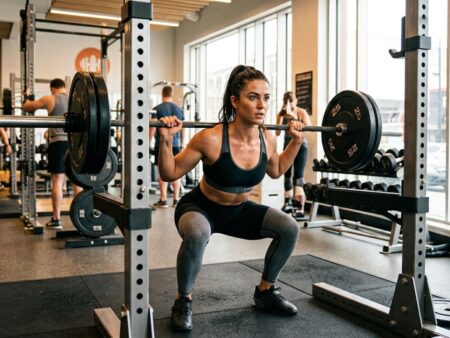
Commercial gyms usually offer full access to barbells, machines, and a wide range of equipment. Coaches working with gym-based clients can build more traditional strength programs using compound lifts like squats, bench presses, and deadlifts, along with accessory machine work for muscle isolation.
Training at Home
Home gym setups vary widely, from a simple pair of adjustable dumbbells to a fully equipped rack with a barbell and bench. A good coach will ask about available equipment before building a plan, and adjust exercise selection so someone with limited equipment can still train every major muscle group effectively.
Bodyweight progressions, resistance bands, and creative loading techniques often fill in the gaps when heavier equipment is not available.
Anyone searching for a coach should mention their exact setup during the initial consultation, since a mismatch between the plan and available equipment is one of the most common reasons people abandon a program early.
Questions to Ask Before Signing Up
Before committing to any coaching program, it helps to ask a few direct questions:
- What is included in the monthly fee, and are there any extra costs for add-ons like nutrition plans?
- How often will check-ins happen, and in what format?
- What happens if the training plan needs adjusting mid-cycle, such as after an injury or a busy travel week?
- Is there a minimum commitment period, and what does cancellation look like?
- Can the coach provide examples of past client results specifically related to muscle gain, not just fat loss?
A trustworthy coach or company will answer these questions clearly and without pressure to sign up immediately.
Red Flags to Watch For
Not every coaching program delivers on its promises. A few warning signs are worth taking seriously:
- Guarantees of specific results within an unrealistically short timeframe
- No clear plan for how check-ins or adjustments work
- Coaches who cannot explain their certifications or experience
- Programs that ignore nutrition entirely or push extreme restriction
- Pressure tactics to commit to long-term contracts before a trial period
Taking time to research a coach’s background, reading reviews, and starting with a short trial period whenever possible can prevent wasted money and wasted training time.
Final Thoughts
Online coaching has made expert-level guidance available to almost anyone with an internet connection, whether they train at a fully equipped gym or a small home setup with a few dumbbells.
The right program comes down to personal preference: some people want the accountability of a dedicated one-on-one coach, others prefer the structure of a proven template, and many find a good middle ground in group coaching or app-based programs.
What matters most is picking a program that fits real life circumstances, including budget, schedule, and available equipment, and sticking with it long enough to see genuine progress.
Muscle gain rewards patience and consistency far more than it rewards finding a perfect program on the first try.
Disclaimer: The information provided on this website is for educational and informational purposes only and is not intended as medical advice. Always consult a qualified healthcare professional before starting any exercise program, changing your diet, or using supplements.