We’re reader-supported. This means when you buy through links on our site, we may earn an affiliate commission.
Every serious lifter, whether they are grinding through sets at a commercial gym or pushing reps in a home setup, eventually asks the same question: what should you eat after weight training?
The answer matters more than most people realize. Post-workout nutrition is not just a detail on the edges of a fitness plan.
It is one of the most powerful levers a person can pull to accelerate muscle growth, speed up recovery, and make every training session count. Getting it right can be the difference between consistent progress and frustrating plateaus.
Why Post-Workout Nutrition Matters
When someone finishes a weight training session, their body is in a state of need. Muscle fibers have been broken down through mechanical stress, glycogen stores have been depleted, and anabolic hormones like testosterone and growth hormone are elevated and ready to work.
This window following exercise is often called the “anabolic window,” and while research has expanded the understanding of how long this window truly lasts, the principle remains solid: feeding the body the right nutrients after training accelerates recovery and sets the stage for muscle protein synthesis.
Without proper post-workout nutrition, the body may struggle to repair and rebuild muscle tissue effectively. Protein breakdown can outpace protein synthesis, leaving the lifter in a catabolic state longer than necessary. For anyone serious about building muscle or improving body composition, this is a scenario worth avoiding.
The Three Pillars of Post-Workout Nutrition
Protein: The Muscle Builder
Protein is the cornerstone of any post-workout meal. After resistance training, muscle protein synthesis is elevated, meaning the body is primed to absorb and use amino acids to repair and build muscle tissue. Research consistently shows that consuming protein after training maximizes this response.
The general recommendation for post-workout protein intake sits between 20 and 40 grams, depending on body size, training intensity, and individual goals. Larger and more experienced lifters typically benefit from the higher end of this range.
The best protein sources for post-workout consumption include:
- Whey protein – fast-digesting and rich in leucine, which is the key amino acid that triggers muscle protein synthesis
- Chicken breast – lean, versatile, and packed with complete protein
- Eggs or egg whites – highly bioavailable and easy to prepare
- Greek yogurt – contains both fast and slow-digesting proteins along with a bonus hit of carbohydrates
- Cottage cheese – another excellent source offering casein protein for sustained amino acid release
- Canned tuna or salmon – convenient, affordable, and loaded with complete protein plus omega-3 fatty acids
- Tofu or tempeh – solid plant-based options that can effectively support muscle recovery for those following a vegan or vegetarian diet
Carbohydrates: Restoring Energy Stores
Carbohydrates are the body’s primary fuel source during resistance training. By the end of a demanding session, glycogen stores in the muscles have been significantly depleted. Replenishing these stores is critical, not only for recovery but also for performance in future training sessions.
Post-workout carbohydrates also help stimulate an insulin response, which plays an important role in shuttling amino acids into muscle cells. This is why pairing protein with carbohydrates after training tends to produce better recovery outcomes than protein alone.
Good carbohydrate choices after weight training include:
- White rice – highly digestible and excellent for rapid glycogen replenishment
- Sweet potatoes – nutrient-dense and packed with vitamins alongside their carbohydrate content
- Oats – slower-digesting but still effective, especially for those who prefer whole food options
- Bananas – quick, portable, and naturally rich in glucose and potassium
- Whole grain bread – a practical option for building a post-workout sandwich
- Quinoa – a unique option that delivers both carbohydrates and a complete amino acid profile
- Fruit such as berries, mango, or pineapple – provide natural sugars and antioxidants to assist recovery
Fats: Keep Them Moderate
Fat is not the enemy after training, but it does slow down gastric emptying, meaning it slows the digestion and absorption of other nutrients. For this reason, post-workout meals do not need to be loaded with fat. A moderate amount is perfectly fine and can even be beneficial, particularly when it comes from quality sources like avocado, nuts, or fatty fish. Avoiding a very high-fat meal immediately after training simply ensures protein and carbohydrates are absorbed more efficiently.
Timing: When Should the Post-Workout Meal Happen?
The concept of the anabolic window has evolved in sports nutrition science. Earlier beliefs suggested that muscles could only make use of post-workout nutrition within 30 to 60 minutes of finishing a session. More recent research suggests the window is broader, potentially extending up to two hours after training for most people.
That said, eating sooner rather than later remains a smart approach, particularly for those who trained in a fasted state, trained early in the morning, or had a long gap since their last meal. The longer training is separated from a proper meal, the more valuable prompt post-workout nutrition becomes.
For those who eat a solid meal one to two hours before training, the urgency of an immediate post-workout meal is reduced. The pre-workout nutrition is still circulating and can partially cover recovery needs. In this case, eating within one to two hours after the session is sufficient.
Sample Post-Workout Meals
Different goals and lifestyles call for different approaches to post-workout eating. Below is a practical guide covering a range of options.
| Meal Option | Protein | Carbohydrates | Notes |
|---|---|---|---|
| Grilled chicken with white rice and steamed broccoli | 40g | 50g | Classic whole food option |
| Whey protein shake with banana and oats | 25g | 45g | Quick and convenient |
| Greek yogurt with berries and a drizzle of honey | 20g | 35g | Great for lighter sessions |
| Salmon with sweet potato and asparagus | 35g | 40g | Rich in omega-3s for inflammation |
| Egg scramble on whole grain toast with avocado | 30g | 30g | Balanced whole food meal |
| Cottage cheese with pineapple and rice cakes | 25g | 30g | Simple and easily digestible |
| Tofu stir-fry with vegetables over brown rice | 25g | 45g | Plant-based powerhouse |
Hydration: The Often Forgotten Factor
No conversation about post-workout nutrition is complete without addressing hydration. During a training session, sweat losses can range from half a liter to well over two liters depending on intensity, duration, and environment. This fluid loss affects muscle function, nutrient transport, and recovery speed.
Rehydrating after weight training is essential. Water is the default recommendation and covers most people’s needs. For those who had particularly long or intense sessions, adding electrolytes becomes valuable. Sodium, potassium, and magnesium are lost through sweat and all play roles in muscle function and recovery. Options like coconut water, electrolyte tablets, or even a pinch of sea salt in water can help restore electrolyte balance efficiently.
A simple hydration check after training is the color of urine. Pale yellow signals adequate hydration. Dark yellow or amber signals the need to drink more.
Special Considerations for Different Goals
Post-Workout Nutrition for Muscle Gain
Those focused on building muscle should prioritize maximizing their post-workout protein intake and not shy away from a generous serving of carbohydrates. Being in a slight caloric surplus overall supports muscle growth, and the post-workout meal is an ideal time to contribute meaningfully to daily calorie and macronutrient targets. Larger portions and calorie-dense whole foods are appropriate here.
Post-Workout Nutrition for Fat Loss
People training with a fat loss goal in mind still need to prioritize protein after training to protect lean muscle tissue. The strategy shifts slightly toward being mindful of overall calories rather than avoiding post-workout nutrition altogether. Skipping the post-workout meal is counterproductive for fat loss because inadequate protein and carbohydrate intake can lead to muscle breakdown, which slows metabolism over time. Lean proteins and moderate carbohydrates from whole food sources are ideal.
Post-Workout Nutrition for Endurance and Strength Athletes
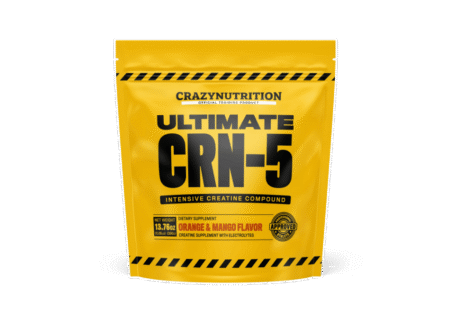
Athletes who combine heavy strength training with other physical demands, such as martial artists, CrossFit athletes, or those who play competitive sports, often have higher recovery demands. These individuals typically benefit from larger post-workout meals with both protein and carbohydrates on the higher end of standard recommendations. Creatine supplementation, though not a direct food, is also supported by research as a useful recovery and performance tool for this population.
Supplements Worth Considering
While whole food meals should always form the foundation of a post-workout nutrition strategy, a few supplements have solid research support:
- Whey protein – convenient, fast-absorbing, and effective for meeting protein needs when whole food is not immediately available
- Creatine monohydrate – supports muscle energy systems and has been shown to improve strength and muscle mass over time; timing is flexible but post-workout is a popular and practical option
- Branched-chain amino acids (BCAAs) – useful in specific scenarios such as fasted training, though largely unnecessary when protein intake is already sufficient
- Carbohydrate powders like dextrose or maltodextrin – can be useful for rapid glycogen replenishment after very intense or long sessions when whole food is impractical
Common Post-Workout Nutrition Mistakes
Even dedicated lifters can fall into patterns that undermine their recovery. Awareness of these pitfalls makes a real difference:
- Skipping the post-workout meal altogether due to lack of appetite or busy schedules
- Relying only on protein and ignoring carbohydrates, which leaves glycogen stores depleted and blunts recovery
- Eating too little total protein across the entire day, which no amount of post-workout timing can compensate for
- Choosing high-fat fast food out of convenience, which slows nutrient absorption and delivers low-quality ingredients
- Over-relying on protein bars that are high in sugar alcohols and fillers rather than real food
- Underestimating hydration needs and returning to daily life dehydrated after intense training
Putting It All Together
Post-workout nutrition does not need to be complicated or stressful. The core formula is simple: a quality protein source, a serving of carbohydrates, moderate fat, and adequate hydration, consumed within a reasonable time frame after training. Whether a person is training at a commercial gym with access to a full kitchen at home or squeezing in a home workout before a busy day, there is always a practical way to execute this formula well.
The lifters who consistently fuel their bodies after training are the ones who show up to the next session feeling recovered, strong, and ready to push harder. Over weeks and months, that consistency compounds into visible and measurable results. Prioritizing post-workout nutrition is not an optional extra for serious athletes and gym-goers. It is a non-negotiable part of the process.
Disclaimer: The information provided on this website is for educational and informational purposes only and is not intended as medical advice. Always consult a qualified healthcare professional before starting any exercise program, changing your diet, or using supplements.