We’re reader-supported. This means when you buy through links on our site, we may earn an affiliate commission.
Bodybuilding is one of the most disciplined and rewarding pursuits in the fitness world. Whether someone is stepping into a commercial gym for the first time or setting up a home gym in their garage, understanding what bodybuilding truly is — and how it actually works — can be the difference between spinning wheels and building a physique that turns heads.
This guide breaks down everything beginners and intermediate lifters need to know about bodybuilding, from its core principles to the science that drives muscle growth.
What Is Bodybuilding?
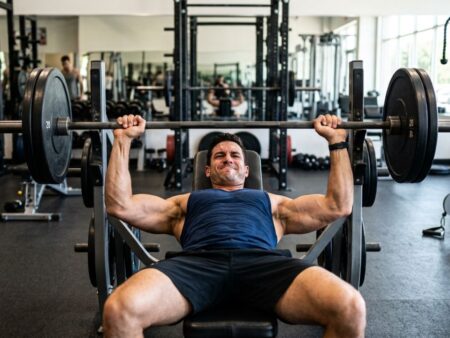
Bodybuilding is the practice of using progressive resistance training, strategic nutrition, and recovery to develop and sculpt skeletal muscle. Unlike powerlifting, which focuses purely on lifting maximum weight, or general fitness, which prioritises overall health, bodybuilding is specifically aimed at improving the size, shape, symmetry, and definition of muscles.
At its core, bodybuilding is about intentional transformation. Practitioners — whether competitive athletes or everyday gym-goers — use structured training programmes and calculated diets to reshape their bodies over time. It is both an art and a science, blending aesthetic goals with physiological principles.
Bodybuilding can be pursued:
- Competitively — entering sanctioned competitions judged on muscle size, symmetry, and conditioning
- Recreationally — training for personal goals such as aesthetics, confidence, or health
- Functionally — combining muscle-building with strength and performance goals
The History of Bodybuilding
Bodybuilding as a structured sport traces its origins to the late 19th century. Eugen Sandow, a Prussian showman and strongman, is widely regarded as the “father of modern bodybuilding.” He popularised the display of muscular physiques and even organised early physique competitions.
The sport exploded in popularity during the mid-20th century, largely due to icons like Steve Reeves and later Arnold Schwarzenegger, whose multiple Mr. Olympia titles in the 1970s brought bodybuilding into mainstream culture. Today, organisations like the IFBB (International Federation of Bodybuilding and Fitness) and the NPC (National Physique Committee) govern competitive bodybuilding worldwide.
For the average gym enthusiast, the competitive side is optional. What matters most is understanding the principles that even elite bodybuilders use — principles that work for anyone training in a gym or at home.
How Does Bodybuilding Work? The Science of Muscle Growth
Understanding how bodybuilding works requires a basic grasp of exercise physiology. The body builds muscle through a process called muscular hypertrophy — the increase in the size of muscle fibres in response to resistance training stress.
The Muscle Growth Process
When a person lifts weights or performs resistance exercises, tiny micro-tears occur in the muscle fibres. During rest and recovery, the body repairs these fibres, making them thicker and stronger than before. Over time, this repair-and-rebuild cycle results in visible muscle growth.
Three primary mechanisms drive hypertrophy:
- Mechanical tension — the force placed on muscles during heavy compound and isolation exercises
- Metabolic stress — the “pump” and burn experienced during high-repetition sets, caused by metabolite accumulation
- Muscle damage — the micro-tears in muscle tissue that signal the body to rebuild bigger
Progressive Overload: The Golden Rule
The most important principle in bodybuilding is progressive overload — consistently increasing the demands placed on the muscles over time. This can be achieved by:
- Adding more weight to the bar
- Increasing the number of repetitions or sets
- Reducing rest time between sets
- Improving the range of motion or technique
- Incorporating advanced training techniques like drop sets or supersets
Without progressive overload, muscles adapt to the current workload and stop growing. Every seasoned bodybuilder understands that the body must be continuously challenged to keep progressing.
The Key Components of Bodybuilding
Bodybuilding success is built on three interconnected pillars: training, nutrition, and recovery. Neglecting any one of these pillars will significantly limit results.
1. Training
A well-designed training programme targets all major muscle groups with appropriate volume, intensity, and frequency. Most bodybuilders split their training into workout days focused on specific muscle groups.
Common Training Splits:
| Split Type | Frequency | Best For |
|---|---|---|
| Full Body | 3x per week | Beginners |
| Upper/Lower | 4x per week | Intermediate lifters |
| Push/Pull/Legs (PPL) | 6x per week | Intermediate to advanced |
| Bro Split (one muscle group per day) | 5–6x per week | Advanced lifters |
Key training principles for bodybuilders include:
- Rep ranges — hypertrophy is best stimulated in the 6–15 rep range, though all rep ranges contribute to growth
- Time under tension — controlling the eccentric (lowering) phase of movements increases muscle stimulus
- Mind-muscle connection — consciously focusing on the target muscle during a set improves activation and results
- Exercise variety — rotating exercises prevents adaptation and targets muscles from different angles
2. Nutrition
No amount of training will build a great physique without supporting nutrition. Food is the raw material the body uses to repair and grow muscle tissue.
Macronutrients for Bodybuilders:
- Protein — the most critical macronutrient for muscle growth; most bodybuilders aim for 1.6–2.2 grams of protein per kilogram of bodyweight daily. Sources include chicken, beef, eggs, fish, dairy, and plant-based alternatives
- Carbohydrates — the body’s preferred fuel source for intense training; complex carbs like oats, rice, and sweet potatoes sustain energy levels and support recovery
- Fats — essential for hormone production, including testosterone, which plays a key role in muscle building; healthy sources include avocados, nuts, olive oil, and fatty fish
Bulking vs. Cutting:
Bodybuilders typically cycle between two phases:
- Bulking — eating in a calorie surplus (more calories than the body burns) to maximise muscle growth, accepting some fat gain in the process
- Cutting — eating in a calorie deficit to shed body fat while preserving as much muscle as possible, revealing the muscle definition underneath
Some lifters, particularly beginners, experience body recomposition — simultaneously gaining muscle and losing fat — especially in the early stages of training.
3. Recovery
Recovery is when the actual muscle building happens. Training is simply the stimulus; growth occurs during rest.
Critical recovery factors include:
- Sleep — 7–9 hours per night is widely recommended; this is when the body releases growth hormone and repairs muscle tissue most efficiently
- Rest days — allowing trained muscles 48–72 hours to recover before training them again
- Active recovery — light activities like walking, stretching, or yoga on rest days promote blood flow without adding training stress
- Stress management — chronic psychological stress elevates cortisol, a hormone that can break down muscle tissue and inhibit recovery
Bodybuilding at the Gym vs. at Home
One of the most common questions beginners ask is whether bodybuilding is possible outside a commercial gym. The answer is a resounding yes — with some important considerations.
Training at the Gym
A commercial gym offers the widest range of equipment: barbells, dumbbells, cable machines, leg press, Smith machines, and more. This variety allows bodybuilders to:
- Target muscles from multiple angles
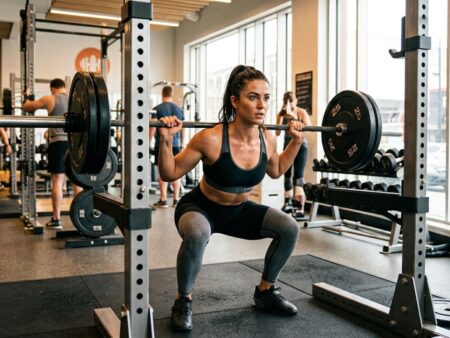
- Use heavy compound movements (squat, bench press, deadlift, overhead press)
- Apply advanced techniques requiring specific machines
The gym environment also provides social motivation and access to experienced lifters and coaches.
Training at Home
Home gyms have surged in popularity and can be surprisingly effective for bodybuilding, especially with the right setup. Effective home bodybuilding tools include:
- Adjustable dumbbells — versatile and space-efficient
- Resistance bands — excellent for adding tension and variety
- Pull-up/dip bars — essential for upper body development
- Barbell and weight plates — ideal if space permits
- Bodyweight training — push-up variations, dips, pull-ups, and pistol squats can build significant muscle
The key for home bodybuilders is applying the same principles: progressive overload, sufficient volume, and proper nutrition. The equipment matters less than the consistency and effort applied.
Common Mistakes Beginners Make in Bodybuilding
Understanding what not to do is just as important as knowing what to do. The most common errors that slow progress include:
- Neglecting compound movements — exercises like squats, deadlifts, bench presses, and rows build the most muscle and should form the foundation of any programme
- Skipping leg day — the legs contain the largest muscles in the body; training them boosts overall muscle growth hormones and creates balanced physique development
- Under-eating protein — many beginners eat far less protein than needed to support muscle growth
- Inconsistency — sporadic training and poor dietary adherence are the biggest barriers to progress
- Chasing the pump over progressive overload — feeling a burn or pump during a workout is satisfying, but consistently adding weight or reps over time is what actually drives growth
- Not tracking progress — without recording workouts and measurements, it is nearly impossible to know if progress is being made or where adjustments are needed
- Overtraining — more is not always better; training a muscle group too frequently without adequate recovery leads to fatigue and stalled gains
Bodybuilding Supplements: What Actually Works
The supplement industry is enormous and often misleading. While no supplement replaces quality training and nutrition, a few have genuine scientific support:
- Creatine monohydrate — one of the most well-researched supplements in existence; it increases strength and power output, supports better training sessions, and contributes to muscle growth over time
- Whey protein — a convenient, high-quality protein source to help meet daily protein targets
- Caffeine — a proven performance enhancer that improves focus, endurance, and strength during workouts
- Beta-alanine — may reduce fatigue during high-rep sets, though the tingling sensation (paresthesia) puts some people off
Supplements should be viewed as extras — helpful when the fundamentals are already dialled in, but never a replacement for them.
How Long Does It Take to See Results from Bodybuilding?
Patience is perhaps the most underrated quality in bodybuilding. Realistic timelines help set proper expectations and prevent discouragement.
- Weeks 1–4 — neural adaptations occur; strength increases rapidly as the nervous system learns to recruit muscle fibres more efficiently, even before significant muscle growth is visible
- Months 1–3 — visible improvements in muscle tone and definition begin; beginners may gain 1–2 kg of muscle per month under optimal conditions
- Months 3–12 — noticeable changes in physique become apparent to others; strength gains continue steadily
- Year 1+ — significant transformations are possible; most natural lifters can gain 9–11 kg of muscle in their first year of dedicated training
Progress slows over time as the body becomes more trained, which is why advanced bodybuilders work harder for smaller gains. This is completely normal and reflects biological adaptation.
Is Bodybuilding Right for Everyone?
Bodybuilding, in its broadest sense, is accessible to virtually everyone. Age, gender, and fitness background are not barriers — they simply influence where someone starts and how quickly they progress.
- Women benefit enormously from resistance training, building lean muscle without the bulk many fear (due to significantly lower testosterone levels than men)
- Older adults can build muscle at any age; resistance training is one of the most effective interventions for combating age-related muscle loss (sarcopenia)
- Beginners experience the fastest gains due to “newbie gains” — the body’s rapid adaptation to a new stimulus
The key is starting with realistic goals, learning the fundamentals, and staying consistent. Whether the aim is to step on a competitive stage or simply look and feel stronger, bodybuilding principles provide a proven roadmap.
Final Thoughts
Bodybuilding is far more than lifting heavy objects in a gym. It is a systematic, science-backed approach to reshaping the human body through resistance training, precise nutrition, and intentional recovery. Understanding how it works — from the biology of muscle hypertrophy to the strategic use of progressive overload — empowers anyone to train smarter and achieve real, lasting results.
Whether someone is working out at a world-class gym or building their physique in a spare room at home, the same principles apply. Consistency, patience, and an educated approach are the true foundations of every great physique.
Disclaimer: The information provided on this website is for educational and informational purposes only and is not intended as medical advice. Always consult a qualified healthcare professional before starting any exercise program, changing your diet, or using supplements.