We’re reader-supported. This means when you buy through links on our site, we may earn an affiliate commission.
Anyone who has walked into a gym or scrolled through fitness content online has probably seen the wall of supplement tubs, the shaker bottles, and the endless debates about protein powder, creatine, and multivitamins.
It raises a fair question for beginners and even seasoned lifters: can supplements replace real food?
This article breaks down what supplements actually do, what whole food provides that pills and powders cannot, and how to use both together for the best results.
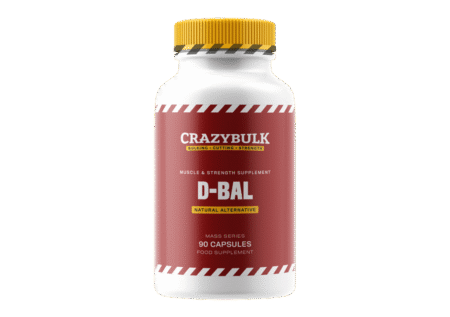
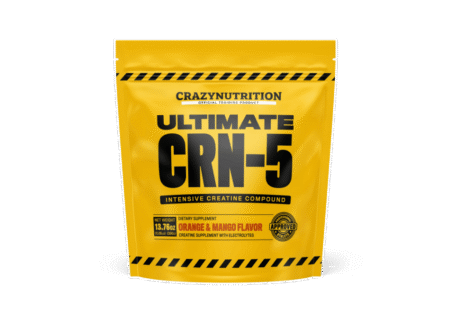
What Are Supplements Really For
Supplements are designed to fill gaps, not to serve as the foundation of a diet. The word itself is the biggest clue. To supplement something means to add to it, not to substitute it entirely.
Protein powders, creatine, branched chain amino acids, multivitamins, and fish oil capsules were created to make it easier to hit specific nutrition targets when whole food alone is inconvenient or insufficient.
For someone who trains hard at the gym or works out at home, supplements can be genuinely useful. A busy schedule might not allow time to cook a chicken breast after every workout, so a protein shake becomes a quick and practical option. That does not mean the shake is nutritionally superior to real food. It simply means it is more convenient in that moment.
The Role of Whole Food in the Body
Whole foods such as meat, fish, eggs, vegetables, fruits, whole grains, and legumes provide far more than isolated nutrients. They contain fiber, water, antioxidants, phytochemicals, and a complex mix of vitamins and minerals that work together in ways science still does not fully understand. Real food also supports digestion, gut health, and satiety in a way that most supplements cannot replicate.
When someone eats an orange, they are not just getting vitamin C. They are getting fiber that slows sugar absorption, water content that helps with hydration, and a variety of plant compounds that may support long term health. A vitamin C tablet cannot offer that same package.
Why People Turn to Supplements in the First Place
There are several honest reasons why people interested in bodybuilding or general fitness lean on supplements.
- Convenience during a busy day when cooking is not possible
- Higher protein needs that are hard to meet through food alone, especially for those doing intense strength training
- Specific performance goals such as using creatine for strength and power output
- Correcting a diagnosed deficiency, such as low vitamin D or iron
- Simplifying meal planning when trying to hit precise macronutrient targets
These are all valid reasons, but none of them suggest that supplements should replace balanced meals. They point to supplements being tools that support an already reasonable diet.
Common Supplements Used in Bodybuilding and Fitness
Below is a simple breakdown of some of the most popular supplements people use at the gym or at home, along with what they are typically used for and their limitations.
| Supplement | Common Use | Limitation |
|---|---|---|
| Whey or plant protein powder | Boosting daily protein intake | Lacks the fiber and micronutrients of whole protein foods |
| Creatine monohydrate | Improving strength and power output | Does not provide vitamins, minerals, or calories for recovery |
| Multivitamins | Covering micronutrient gaps | Cannot replicate the fiber and phytochemicals in real food |
| Fish oil | Supporting heart and joint health | Less effective than eating whole fatty fish regularly |
| BCAAs | Supporting muscle recovery | Redundant if protein intake from food is already adequate |
| Pre workout formulas | Increasing energy and focus | Often relies on high caffeine content, not real nutrition |
This table shows a pattern. Every supplement is built to support one narrow function. Real food, by contrast, delivers a broad spectrum of benefits at once.
The Case Against Relying Only on Supplements
Some people, especially those new to bodybuilding, get caught up in marketing and start to believe that shakes and pills are the secret to building muscle or losing fat. This mindset can backfire for a few reasons.
Nutrient Synergy Gets Lost
Nutrients in whole food often work better together than they do in isolation. For example, the vitamin C in a bell pepper helps the body absorb non heme iron from foods like spinach or lentils. If someone relies purely on an iron supplement, they miss out on this kind of natural synergy that food provides.
Fiber and Gut Health Suffer
Fiber is one of the most overlooked aspects of a healthy diet, and no popular bodybuilding supplement replaces it. Fiber supports digestion, feeds beneficial gut bacteria, and helps people feel full longer. A diet built mostly around shakes and bars, with little real food, often leads to poor digestion and inconsistent energy levels.
Satiety and Mental Satisfaction
Chewing food, tasting different textures, and sitting down for a real meal contributes to satisfaction in a way that liquid supplements do not. Many people who rely too heavily on shakes report feeling hungrier throughout the day, which can lead to overeating later or difficulty sticking to a nutrition plan long term.
Overuse Can Be Costly and Unnecessary
Supplements can be expensive, and buying a long list of products is not always necessary. Someone who already eats a varied, balanced diet may not need most of what is marketed to them. Spending on quality food often provides better value and better long term health outcomes than spending on a shelf full of supplements.
When Supplements Genuinely Make Sense
None of this means supplements are useless. There are situations where they offer real, evidence backed benefits.
- Athletes with very high protein requirements who struggle to eat enough whole food protein sources in a day
- People with diagnosed nutrient deficiencies confirmed through bloodwork, such as low vitamin D, B12, or iron
- Vegans or vegetarians who may need B12, iron, or omega 3 supplementation due to limited dietary sources
- Individuals with limited access to fresh food due to travel, work schedules, or living situations
- Those using creatine specifically for performance goals, since it is one of the most researched and effective supplements for strength training
In these cases, supplements are not replacing food. They are filling a specific and identifiable gap that diet alone is not meeting.
How to Build a Diet Where Food Comes First
For anyone serious about bodybuilding or general fitness, the priority should always be building meals around whole foods first, then using supplements to fill in the remaining gaps.
- Base meals around a protein source such as chicken, fish, eggs, beef, tofu, or legumes
- Add a variety of vegetables and fruits for fiber, vitamins, and antioxidants
- Include whole grains or starchy vegetables for energy to fuel workouts
- Add healthy fats from sources like olive oil, nuts, seeds, or avocado
- Use protein powder or other supplements only when food alone cannot meet specific targets
This approach ensures that supplements remain exactly what their name suggests, an addition to an already solid foundation.
Practical Tips for Gym Goers and Home Workout Enthusiasts
Whether someone trains at a commercial gym or works out at home with minimal equipment, the nutrition principles remain the same. Here are some practical suggestions to keep in mind.
- Plan meals ahead of time to reduce the temptation to replace meals with shakes out of convenience
- Keep quick whole food options on hand, such as boiled eggs, canned tuna, or pre cooked chicken, so real food stays convenient too
- Read supplement labels carefully and avoid products with excessive fillers or unnecessary ingredients
- Get bloodwork done periodically to identify real deficiencies instead of guessing which supplements are needed
- Remember that consistency with whole food nutrition will always outperform an inconsistent diet propped up by supplements
Listening to the Body
Bodybuilders and fitness enthusiasts often talk about listening to the body when it comes to training, but the same principle applies to nutrition. Feeling constantly fatigued, dealing with poor digestion, or struggling with hunger despite taking multiple supplements can be signs that whole food intake needs to increase.
The body responds well to real, varied nutrition, and supplements work best when they are supporting that foundation rather than trying to replace it.
Final Thoughts
Supplements can absolutely play a helpful role in a bodybuilding or fitness routine, particularly for convenience, filling specific nutrient gaps, or supporting performance goals like strength training with creatine. However, they were never designed to replace real food, and the science consistently supports whole foods as the superior source of long term health, muscle growth, and overall wellbeing.
The most successful approach combines a diet built around whole, minimally processed foods with supplements used strategically to cover what that diet might be missing. For anyone serious about their fitness journey, real food should always come first, with supplements playing a supporting role rather than taking center stage.
Disclaimer: The information provided on this website is for educational and informational purposes only and is not intended as medical advice. Always consult a qualified healthcare professional before starting any exercise program, changing your diet, or using supplements.