
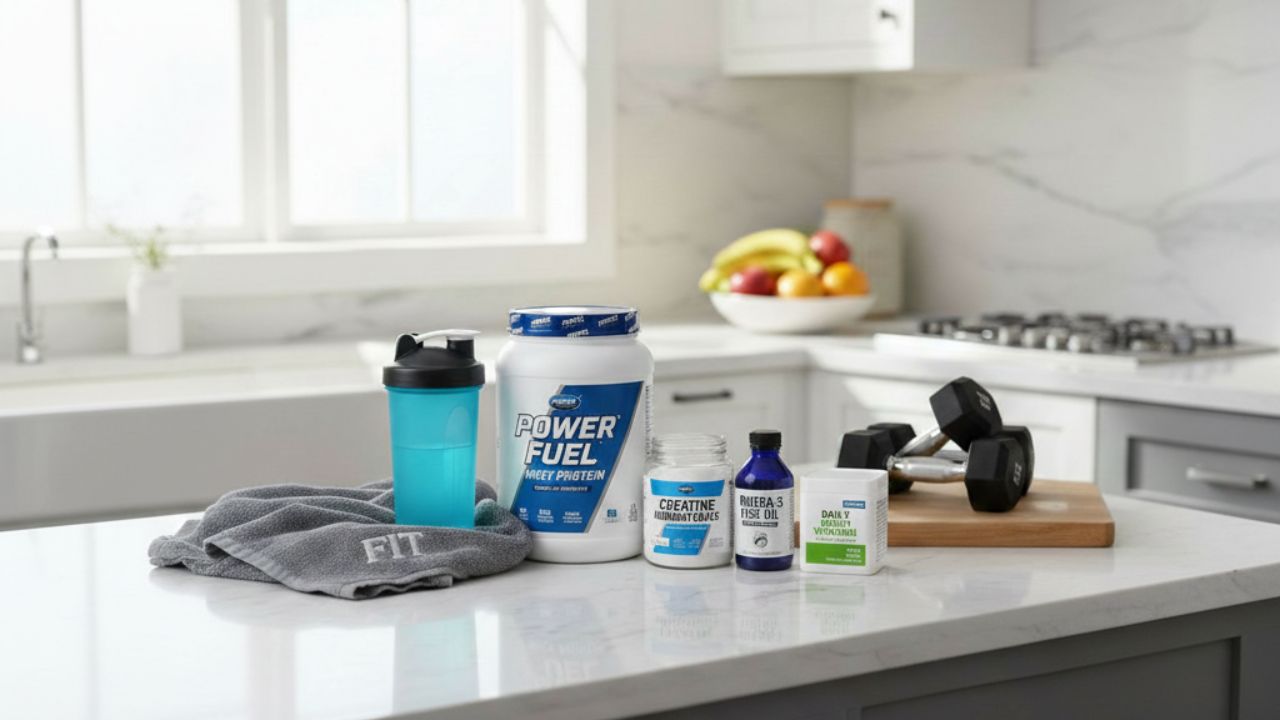
Workout Supplements for Beginners: Essential Stack

Starting a fitness journey can feel overwhelming, especially when faced with endless rows of colorful supplement bottles promising incredible results.
For beginners stepping into the gym for the first time, understanding which supplements actually matter – and which are just marketing hype – is crucial for building a solid foundation.
The truth is, most newcomers don’t need an elaborate supplement regimen. What they do need is a strategic approach that supports their training, recovery, and overall health goals.
This guide breaks down the essential supplements that can genuinely enhance a beginner’s workout experience without breaking the bank or cluttering their kitchen counter.
60-Day Money-Back Guarantee
Cancel anytime, no commitments
60-Day Money-Back Guarantee
Cancel anytime, no commitments
60-Day Money-Back Guarantee
Cancel anytime, no commitments
Understanding the Role of Supplements
Before diving into specific products, beginners need to grasp what supplements can and cannot do. Supplements are designed to complement a solid nutrition plan, not replace it. No powder or pill can compensate for poor eating habits, inadequate sleep, or inconsistent training.
The most effective supplements for beginners address common nutritional gaps, enhance workout performance, or accelerate recovery. They work best when combined with a balanced diet rich in whole foods, adequate protein intake, and proper hydration. Think of supplements as the final ten percent of the equation—the other ninety percent comes from lifestyle fundamentals.
Many beginners make the mistake of investing heavily in supplements before establishing basic habits. The priority should always be consistent training, progressive overload, and meeting daily macronutrient targets through whole foods. Once these foundations are solid, strategic supplementation can provide that extra edge.
The Essential Beginner’s Supplement Stack
Protein Powder
Protein powder stands as the cornerstone of any beginner’s supplement arsenal. While it’s entirely possible to meet protein requirements through whole foods alone, protein powder offers unmatched convenience, especially for those with busy schedules or limited appetites.
Whey protein remains the gold standard for most beginners due to its complete amino acid profile, rapid absorption, and proven effectiveness in supporting muscle recovery and growth. It’s derived from milk, making it ideal for post-workout shakes when the body needs quick-acting nutrients. Those with lactose intolerance can opt for whey isolate, which contains minimal lactose.
Plant-based alternatives like pea, rice, or hemp protein work well for vegans or those avoiding dairy. While individual plant proteins may lack certain amino acids, blended formulations typically provide complete protein profiles comparable to whey.
The recommended intake varies based on body weight and training intensity, but most beginners should aim for 0.7 to 1 gram of protein per pound of body weight daily. A single scoop of protein powder typically provides 20-25 grams, making it easy to bridge the gap between meals.
Creatine Monohydrate
Creatine monohydrate ranks among the most researched and effective supplements available, yet many beginners overlook it or misunderstand its benefits. This naturally occurring compound helps regenerate ATP, the primary energy currency of muscle cells, allowing for enhanced performance during high-intensity exercises.
The benefits extend beyond just lifting heavier weights. Creatine supports increased muscle mass, improved recovery between sets, and enhanced cognitive function. Despite persistent myths, creatine doesn’t cause excessive water retention when used properly, and it’s safe for healthy individuals.
Beginners can start with a loading phase of 20 grams daily (split into four 5-gram doses) for five to seven days, followed by a maintenance dose of 3-5 grams daily. Alternatively, skipping the loading phase and taking 5 grams daily achieves the same saturation within three to four weeks.
Creatine monohydrate remains the most cost-effective and well-studied form. Fancy variations like creatine ethyl ester or buffered creatine offer no additional benefits despite higher price tags. Mixing creatine with water or adding it to a protein shake works perfectly fine.
Supporting Recovery and Performance
Fish Oil (Omega-3 Fatty Acids)
While not directly related to muscle building, omega-3 fatty acids play a crucial role in overall health and recovery. These essential fats reduce inflammation, support joint health, and promote cardiovascular function—all important factors for anyone embarking on a regular training program.
Most modern diets lack sufficient omega-3s, particularly EPA and DHA, the forms found in fish oil. These fatty acids help manage the inflammation that naturally occurs from training, potentially reducing muscle soreness and supporting faster recovery between sessions.
Beginners should aim for 2-3 grams of combined EPA and DHA daily. Those who regularly consume fatty fish like salmon, mackerel, or sardines may need less supplementation. Plant-based options like algae oil provide DHA for those avoiding animal products, though conversion rates from ALA (found in flaxseed and walnuts) to EPA and DHA are relatively inefficient.
Quality matters with fish oil. Look for products tested for heavy metals and contaminants, and store them properly to prevent oxidation. Taking fish oil with meals helps improve absorption and reduces the likelihood of fishy aftertaste.
Multivitamin
A quality multivitamin serves as nutritional insurance, filling potential micronutrient gaps that may exist in a beginner’s diet. While whole foods should provide the majority of vitamins and minerals, the reality is that many people fall short on key nutrients due to food preferences, dietary restrictions, or inconsistent eating habits.
Hard training increases the body’s demand for certain micronutrients involved in energy production, recovery, and immune function. B vitamins support energy metabolism, vitamin D influences testosterone production and bone health, and minerals like zinc and magnesium play roles in protein synthesis and sleep quality.
Rather than megadosing individual vitamins, beginners benefit most from a comprehensive multivitamin that provides 100% of daily values for most nutrients. More isn’t always better—excessive amounts of certain vitamins can interfere with absorption of others or cause unwanted side effects.
Taking a multivitamin with a meal containing fat improves absorption of fat-soluble vitamins like A, D, E, and K. Gender-specific formulations account for different nutritional needs, such as higher iron requirements for women of childbearing age.
Pre-Workout Considerations
Caffeine
Caffeine stands as one of the most effective and accessible performance enhancers available to beginners. This stimulant increases alertness, reduces perceived exertion, and can enhance power output and endurance during workouts.
For those new to pre-workout supplementation, starting with simple caffeine sources like coffee or green tea makes sense before investing in specialized products. This approach allows beginners to assess their tolerance and timing preferences without committing to expensive pre-workout formulas.
The effective dose typically ranges from 3-6 mg per kilogram of body weight, taken 30-60 minutes before training. A 150-pound person might consume 200-400 mg, roughly equivalent to two cups of strong coffee. Beginners should start at the lower end and adjust based on response.
Timing matters significantly. Taking caffeine too late in the day can interfere with sleep quality, which ultimately harms recovery and progress. Most people should avoid caffeine within six hours of bedtime. Those training in the evening might skip caffeine altogether or use it only for morning sessions.
Beta-Alanine
Beta-alanine enhances performance by buffering lactic acid accumulation in muscles during high-intensity exercise. This allows for more reps per set and reduced fatigue during workouts lasting 60-240 seconds, making it particularly useful for resistance training and HIIT sessions.
The characteristic tingling sensation (paresthesia) that many users experience is harmless and typically diminishes with continued use. This doesn’t indicate the supplement’s effectiveness—it’s simply a benign side effect resulting from beta-alanine binding to nerve receptors.
Unlike caffeine, beta-alanine requires consistent daily supplementation to build up muscle carnosine levels. Benefits appear after two to four weeks of taking 3-6 grams daily. Split doses throughout the day may reduce tingling sensations while maintaining effectiveness.
For beginners, beta-alanine represents a second-tier supplement—helpful but not essential. Those serious about maximizing performance may include it, while others might wait until they’ve established consistent training habits and exhausted gains from basic supplementation.
What Beginners Can Skip
Branched-Chain Amino Acids (BCAAs)
Despite aggressive marketing, BCAAs rank low on the priority list for most beginners. These supplements contain three amino acids—leucine, isoleucine, and valine—that are already abundant in complete protein sources like whey powder, meat, eggs, and dairy.
The theoretical benefits of BCAA supplementation largely disappear when adequate protein intake is maintained through diet. Someone consuming 0.7-1 gram of protein per pound of body weight receives plenty of BCAAs from whole foods and protein powder.
The exception might be those training in a completely fasted state who want to prevent muscle breakdown. Even then, consuming a small amount of protein before training often proves more effective and economical than isolated BCAA supplementation.
Testosterone Boosters
Natural testosterone boosters marketed to beginners rarely deliver meaningful results. While ingredients like D-aspartic acid, fenugreek, and Tribulus terrestris sound scientific, research consistently shows minimal to no effect on testosterone levels in healthy individuals with normal hormone production.
The best natural approach to optimizing testosterone involves adequate sleep, stress management, regular training, sufficient calorie intake, and proper micronutrient status—particularly vitamin D and zinc. Beginners should focus on these fundamentals before considering any hormonal supplements.
True testosterone deficiency requires medical diagnosis and prescription treatment. Over-the-counter products claiming dramatic hormonal effects either don’t work or contain questionable ingredients that may cause unwanted side effects.
Fat Burners
Commercial fat burners typically combine caffeine with various herbs and compounds that supposedly enhance metabolism or fat oxidation. While caffeine does slightly increase metabolic rate, the other ingredients rarely justify the premium price tags these products command.
Fat loss fundamentally comes down to maintaining a caloric deficit over time. No supplement can override the basic energy balance equation. Beginners achieve better results by focusing on sustainable nutrition habits, consistent training, and adequate protein intake to preserve muscle during a cut.
Some fat burners contain concerning levels of stimulants or untested ingredients that may cause anxiety, insomnia, or other side effects. The modest metabolic boost they provide pales in comparison to the impact of proper diet and exercise adherence.
Supplement Timing and Stacking Strategies
Understanding when to take supplements maximizes their effectiveness and helps beginners establish consistent routines. Some nutrients work better at specific times, while others can be taken whenever convenient.
Morning/Breakfast:
- Multivitamin with food
- Fish oil with food
- Creatine (if not taking post-workout)
Pre-Workout (30-60 minutes before training):
- Caffeine (if used)
- Beta-alanine (if used)
Post-Workout (within 2 hours):
- Protein powder
- Creatine (optional timing)
Evening/Dinner:
- Fish oil with food
- Additional protein powder if needed for daily targets
Consistency matters more than perfect timing for most supplements. Creating a simple routine that fits into daily life ensures adherence, which ultimately determines results. Beginners shouldn’t stress about precise nutrient timing windows—hitting daily totals and maintaining consistency delivers the best outcomes.
Quality and Safety Considerations
The supplement industry remains largely unregulated, making quality assurance a critical concern for beginners. Not all products contain what their labels claim, and some may include contaminated or banned substances.
Third-party testing certifications provide peace of mind. Organizations like NSF International, Informed-Sport, and USP verify that products contain labeled ingredients in stated amounts without harmful contaminants. Athletes subject to drug testing should exclusively use certified products to avoid accidental violations.
Reading labels carefully helps beginners avoid proprietary blends that hide individual ingredient amounts or products loaded with fillers and unnecessary additives. Simple formulations with transparent labeling typically indicate higher quality manufacturing standards.
Purchasing from reputable retailers and established brands reduces the risk of counterfeit products or expired inventory. While generic store brands can offer excellent value, beginners should research manufacturers and look for good manufacturing practice (GMP) certifications.
Budget-Friendly Supplementation
Building an effective supplement stack doesn’t require massive investment. Beginners can prioritize essentials and shop strategically to maximize value without compromising quality.
| Supplement | Monthly Cost | Priority Level |
|---|---|---|
| Protein Powder | $30-50 | Essential |
| Creatine Monohydrate | $10-15 | Essential |
| Fish Oil | $15-25 | High |
| Multivitamin | $10-20 | Moderate |
| Caffeine (coffee) | $5-15 | Optional |
| Beta-Alanine | $15-20 | Optional |
A solid beginner’s stack focusing on protein powder, creatine, and fish oil costs roughly $55-90 monthly—less than many people spend on a single restaurant meal. Adding a multivitamin brings the total to $65-110, which remains highly affordable considering the convenience and benefits provided.
Buying in bulk, watching for sales, and choosing unflavored options when possible reduces costs further. Generic creatine monohydrate works identically to expensive branded versions, and simple whey concentrate provides excellent value compared to heavily marketed protein blends.
Making Supplementation Work Long-Term
Success with supplements requires realistic expectations and patience. Beginners won’t experience dramatic overnight transformations—these products support gradual progress over weeks and months of consistent training and nutrition.
Tracking progress through measurements, photos, and performance metrics helps assess whether supplementation is contributing to goals. Beginners should establish baseline data before starting supplements, then evaluate changes after at least eight to twelve weeks of consistent use.
Individual responses vary significantly. Some people notice clear benefits from certain supplements, while others experience minimal effects. This variability is normal and relates to factors like diet quality, training intensity, genetics, and baseline nutrient status.
Cycling isn’t necessary for most beginner supplements. Creatine, protein powder, and fish oil can be taken continuously without breaks. Caffeine tolerance may develop over time, but periodic breaks aren’t essential unless sensitivity issues arise.
No Needles or Prescriptions
Free delivery on orders over $100
No Needles or Prescriptions
Free delivery on orders over $100
No Needles or Prescriptions
Free delivery on orders over $100
Conclusion
The essential supplement stack for beginners centers on proven, cost-effective products that support fundamental training goals: adequate protein intake, enhanced performance, and proper recovery. Protein powder and creatine monohydrate form the core, with fish oil and a quality multivitamin providing valuable support for overall health and longevity in the sport.
Beginners achieve the best results by establishing solid training and nutrition foundations before adding supplements to the mix. These products amplify existing efforts—they don’t replace the hard work of consistent gym sessions and disciplined eating habits.
Starting simple prevents overwhelm and unnecessary expense. As training experience grows and goals evolve, beginners can reassess their supplement needs and add specific products that address identified gaps or support new objectives. The journey from beginner to experienced lifter is marathon, not a sprint, and smart supplementation strategies reflect that long-term perspective.
Discover more from Maximize Workouts
Subscribe to get the latest posts sent to your email.


