We’re reader-supported. This means when you buy through links on our site, we may earn an affiliate commission.
Anyone who has spent time around gyms or fitness forums has probably heard the term “hardgainer” thrown around. It usually comes up when someone complains about eating pizza every night and still not gaining a single pound of muscle, while their gym buddy seems to grow just by looking at a dumbbell.
This article breaks down what a hardgainer actually is, why some people struggle to build muscle, and what can be done about it.
Understanding the Hardgainer Term
A hardgainer is a person who finds it unusually difficult to gain weight, particularly muscle mass, despite consistent training and eating efforts. The term is most often associated with naturally thin individuals who have a fast metabolism, a smaller frame, and a body type that resists bulking up no matter how much food they consume.
The word became popular in bodybuilding culture decades ago, largely thanks to strength coaches and old school bodybuilders who noticed that not everyone responded the same way to the same training programs. While some lifters could follow a basic routine and pack on size quickly, others followed the exact same plan and barely moved the needle on the scale.
Hardgainers are not lazy, and they are not doing something fundamentally wrong just because they exist. Genetics play a massive role in how a body processes calories, builds muscle, and stores fat. Some people are simply built in a way that makes muscle growth slower and more demanding.
Common Traits of a Hardgainer
Most hardgainers share a similar set of physical characteristics and everyday struggles. These traits are not universal, but they tend to show up frequently enough to form a recognizable pattern.
- Naturally thin or lean build, often described as ectomorphic
- Fast metabolism that burns calories quickly, even at rest
- Small bone structure with narrow shoulders, wrists, and joints
- Difficulty gaining weight even when eating large amounts of food
- Low body fat percentage that stays low without much effort
- Muscles that seem to take longer to respond to training compared to others
Someone does not need to check every box on this list to be considered a hardgainer. Many people fall somewhere in between, showing a few of these traits while still finding certain aspects of muscle building easier than others.
Why Some People Are Hardgainers
There is no single cause behind why one person struggles to gain muscle while another gains it with relative ease. Instead, it usually comes down to a mix of biological and lifestyle factors working together.
Genetics and Body Type
Body type, often referred to as somatotype, plays a large role in how someone responds to training and nutrition. There are generally three recognized categories, and most people are a blend of these rather than a pure example of just one.
- Ectomorph: thin, long limbs, fast metabolism, struggles to gain weight
- Mesomorph: naturally muscular, gains and loses weight with relative ease
- Endomorph: rounder build, gains weight easily, including fat
Hardgainers usually lean toward the ectomorph category. Their bodies burn through calories at a faster rate, which means the surplus needed to build muscle has to be larger and more consistent than what other body types require.
Metabolism
A fast metabolism might sound like a dream to someone trying to lose fat, but for a hardgainer it becomes an obstacle. The body burns calories quickly throughout the day, even during rest, which makes it harder to maintain the calorie surplus needed for muscle growth. Many hardgainers report eating what feels like a large amount of food and still not seeing the scale move.
Appetite and Eating Habits
Some hardgainers simply do not feel hungry very often. A smaller stomach capacity or a naturally suppressed appetite can make it a challenge to eat enough calories in a day, especially when trying to consume calorie dense meals on a consistent basis.
Activity Levels Outside the Gym
Hardgainers sometimes have naturally high levels of non exercise activity, meaning they fidget more, walk more, or generally move more throughout the day without thinking about it. This extra movement burns additional calories that are not accounted for in a typical meal plan, making it even harder to stay in a surplus.
Hardgainer vs Other Body Types
It helps to see how a hardgainer compares to other common body types in a simple format. The table below outlines some general differences.
| Trait | Hardgainer (Ectomorph) | Mesomorph | Endomorph |
|---|---|---|---|
| Metabolism speed | Fast | Moderate | Slow |
| Ease of gaining muscle | Difficult | Relatively easy | Moderate |
| Ease of gaining fat | Difficult | Moderate | Easy |
| Typical frame | Narrow, lean | Athletic, medium | Wider, rounder |
| Calorie needs to build muscle | High | Moderate | Lower |
This table is a general guide rather than a strict rulebook. Real people rarely fit perfectly into one category, and training experience, age, and consistency all influence results as much as genetics do.
Is Being a Hardgainer a Real Thing or Just an Excuse
This question comes up often in fitness communities. Some critics argue that hardgainer is just a label people use to explain away poor eating habits or inconsistent training. There is some truth to this, since many self proclaimed hardgainers underestimate how much they actually eat or overestimate how hard they train.
At the same time, there is legitimate science behind differences in metabolism, muscle fiber composition, and genetic potential for muscle growth.
Some people truly do need to eat significantly more and train differently compared to others in order to see similar results. The honest answer sits somewhere in the middle. Genetics make gaining muscle harder for some people, but the right approach can still produce real, visible results over time.
How Hardgainers Can Build Muscle Effectively
Being a hardgainer does not mean muscle growth is impossible. It simply means the approach needs to be more deliberate, especially when it comes to nutrition and recovery.
Prioritize a Calorie Surplus
Muscle cannot be built without enough fuel to support growth. Hardgainers often need a larger and more consistent calorie surplus than the average lifter.
- Track daily food intake for at least a week to get an accurate baseline
- Add calorie dense foods like nuts, oats, whole milk, and healthy oils to meals
- Eat frequently throughout the day rather than relying on three large meals
- Use liquid calories such as smoothies or shakes when solid food feels like too much
Focus on Compound Movements
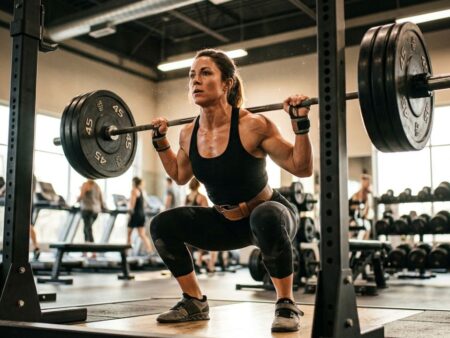
Training efficiency matters more for hardgainers because their bodies do not respond as forgivingly to wasted effort. Compound exercises that work multiple muscle groups at once tend to produce the best return on investment.
- Squats for overall lower body and core strength
- Deadlifts for posterior chain development
- Bench press for chest, shoulders, and triceps
- Overhead press for shoulder and upper body strength
- Rows and pull ups for back thickness and width
These movements allow hardgainers to build strength and size without needing to spend excessive hours in the gym, which also helps avoid burning even more calories than necessary.
Avoid Excessive Cardio
Long cardio sessions can work against a hardgainer’s goals by burning through calories that were meant to support muscle growth. This does not mean cardio should be avoided completely, since it still supports heart health, but it should be kept moderate and intentional rather than excessive.
Prioritize Recovery
Muscle growth happens during rest, not just during training. Hardgainers often benefit from slightly more recovery time between intense sessions, along with a strong focus on sleep quality.
- Aim for seven to nine hours of sleep most nights
- Avoid training the same muscle group on consecutive days
- Manage stress levels, since chronically high stress can interfere with recovery and appetite
Be Patient and Consistent
Progress for a hardgainer often comes slower than it does for other body types, which makes consistency especially important. Skipping meals or missing workouts has a larger relative impact when the margin for growth is already smaller.
Sample Weekly Training Split for Hardgainers
A simple, low volume but effective training split can help hardgainers avoid overtraining while still building strength and size.
- Monday: Lower body strength focused on squats and accessory leg work
- Tuesday: Upper body push focused on bench press and shoulder work
- Wednesday: Rest or light activity such as walking
- Thursday: Upper body pull focused on rows and pull ups
- Friday: Lower body focused on deadlifts and posterior chain work
- Saturday: Optional light full body session or rest
- Sunday: Full rest
This kind of split allows enough recovery time between sessions while still hitting each muscle group with enough frequency to encourage growth.
Common Mistakes Hardgainers Make
Even with the best intentions, many hardgainers fall into a few common traps that slow down their progress.
- Underestimating how much food is actually needed to gain weight
- Doing too much cardio or too many accessory exercises
- Training too frequently without allowing proper recovery
- Comparing progress to people with completely different genetics
- Giving up too early before consistent effort has a chance to show results
Recognizing these patterns early can save months or even years of frustration.
Final Thoughts
Being a hardgainer is not a life sentence when it comes to building muscle. It simply means the body requires a more focused and consistent approach compared to people who seem to gain size effortlessly.
With a solid calorie surplus, smart training centered around compound lifts, proper recovery, and a good amount of patience, hardgainers can absolutely build meaningful muscle and strength over time.
The journey may take longer, but the results are just as real and just as rewarding.
Disclaimer: The information provided on this website is for educational and informational purposes only and is not intended as medical advice. Always consult a qualified healthcare professional before starting any exercise program, changing your diet, or using supplements.