We’re reader-supported. This means when you buy through links on our site, we may earn an affiliate commission.
Creatine is one of the most popular supplements among people who lift weights, train at home, or simply want to build muscle and strength. It has been studied for decades and is often praised as one of the safest and most effective supplements available.
Still, many gym goers wonder what happens to the body when creatine is added to a daily routine. This article looks at the common and rare side effects of creatine, who should be careful when using it, and how to use it in a way that supports muscle growth while keeping the body healthy.
What Is Creatine and Why Do People Use It
Creatine is a natural compound found in muscle cells. The body produces some of it on its own, and small amounts also come from foods like red meat and fish.
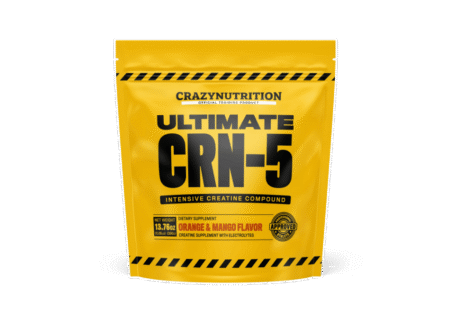
Inside the muscles, creatine helps produce energy during short bursts of intense activity, such as lifting heavy weights, sprinting, or doing explosive movements.
Many people take creatine as a supplement because it can:
- Support strength gains during resistance training
- Help muscles recover faster between sets
- Increase muscle water content, which can support muscle growth over time
- Improve performance during short, high intensity exercise
Because of these benefits, creatine monohydrate has become a staple in gym bags and kitchen cabinets everywhere. But like any supplement, it is worth understanding both the upsides and the possible downsides before starting.
Common Side Effects of Creatine
Most people tolerate creatine well, especially when using standard doses. However, some side effects are reported more often than others. These are usually mild and tend to fade as the body adjusts.
Water Retention and Bloating
One of the most talked about effects of creatine is water retention. Creatine pulls water into muscle cells, which can cause a slightly puffy or bloated feeling, especially in the first few weeks of use. This is not the same as unhealthy fluid retention in other parts of the body. It is generally limited to muscle tissue and often goes away as the body gets used to supplementation.
Stomach Discomfort
Some people experience an upset stomach, cramping, or mild nausea when they first start taking creatine. This is more common when:
- Taking a large dose all at once, such as during a loading phase
- Not drinking enough water alongside the supplement
- Taking creatine on an empty stomach
Spreading out the dose or taking it with food and a full glass of water usually helps reduce this issue.
Muscle Cramping
Muscle cramps are sometimes linked to creatine use, although research on this connection is mixed. Dehydration may play a bigger role than the creatine itself. Staying well hydrated during workouts is one of the simplest ways to lower the risk of cramping.
Weight Gain
Because creatine increases water content in the muscles, many people notice the number on the scale go up shortly after starting. This is water weight rather than fat gain. Over time, as muscle mass increases from more effective training, some of that added weight may reflect real muscle growth rather than just water.
Less Common Side Effects
While the effects above are the most frequently reported, a smaller number of people experience other reactions.
Diarrhea
Taking too much creatine at once, particularly during a loading phase, can lead to loose stools or diarrhea in sensitive individuals. Lowering the dose or switching to smaller servings spread throughout the day often resolves this.
Skin Issues
Some users report skin changes such as acne breakouts. The exact reason is not fully understood, but it may relate to hormonal shifts tied to increased training intensity and muscle building rather than creatine directly. This effect appears to vary a lot from person to person.
Headaches
A small number of people report mild headaches when starting creatine, which may be related to changes in hydration and water shifts within the body. Drinking enough water throughout the day can help reduce this risk.
Concerns About Kidney and Liver Health
One of the biggest questions people ask is whether creatine harms the kidneys or liver. This concern likely comes from the fact that creatine is broken down into a compound called creatinine, which is used as a marker in kidney function tests.
Here is what is generally understood:
- Healthy individuals who take standard doses of creatine do not appear to experience kidney damage in most studies
- Creatinine levels may rise slightly with creatine use, but this reflects normal processing of the supplement rather than kidney damage
- People with existing kidney disease or reduced kidney function should speak with a doctor before using creatine, since their situation is different from someone with healthy kidneys
Liver related concerns are less commonly discussed, but anyone with pre-existing liver conditions should also check with a medical professional before adding any new supplement to their routine.
Creatine and Hair Loss
This is a widely searched topic and one that causes a lot of confusion. The concern started because of a small study that found creatine supplementation increased a hormone called DHT, which is linked to hair thinning in people who are genetically prone to male pattern baldness.
A few important points to keep in mind:
- The link between creatine and hair loss has not been confirmed in most other studies
- Only one hormone marker changed in that particular study, and actual hair loss was not directly measured
- People with a family history of hair thinning may want to monitor their hair health while using creatine, just to be cautious
For most users, this remains a theoretical concern rather than a proven side effect.
Who Should Be Cautious With Creatine
While creatine is considered safe for most healthy adults, certain groups should be more careful or avoid it without medical guidance.
| Group | Reason for Caution |
|---|---|
| People with kidney disease | Reduced kidney function may affect how creatine and creatinine are processed |
| People with liver conditions | Limited research on creatine’s effects on compromised liver function |
| Pregnant or breastfeeding individuals | Not enough research to confirm safety in these situations |
| Teenagers | Growing bodies and hormones may respond differently, so parental and medical guidance is recommended |
| People on certain medications | Some drugs, such as those affecting kidney function, may interact with creatine use |
Anyone with an existing health condition or who takes regular medication should talk to a doctor before starting creatine, even though it is available without a prescription.
How to Reduce the Risk of Side Effects
Most side effects can be minimized with a few simple habits.
Stay Hydrated
Since creatine draws water into the muscles, drinking plenty of water throughout the day helps the body adjust and lowers the risk of cramping, headaches, and stomach upset.
Skip the Loading Phase
A loading phase involves taking a much higher dose for the first five to seven days. While this speeds up how fast muscles become saturated with creatine, it also increases the chance of stomach discomfort. Taking a smaller, steady daily dose instead can reach the same saturation point over a few weeks with fewer side effects.
Take It With Food
Having creatine with a meal, rather than on an empty stomach, can reduce the chance of nausea or cramping.
Choose a Trusted Product
Creatine monohydrate is the most researched and widely recommended form. Choosing a product that has been third party tested for purity can help avoid contamination with unwanted substances.
Start With a Lower Dose
Beginning with a smaller amount and gradually increasing to the standard daily dose allows the body to adjust more comfortably.
Common Myths About Creatine Side Effects
There are many myths floating around gyms and online forums about creatine. A few of the most persistent ones include:
- Creatine causes permanent kidney damage in healthy people, which is not supported by most research
- Creatine is a steroid, when in fact it is a naturally occurring compound found in food and made by the body
- Creatine only benefits bodybuilders, when in reality it can support anyone doing strength or power based activities
- Stopping creatine causes muscle loss, when in truth any change in weight is mostly related to water balance rather than muscle breakdown
Understanding the difference between proven effects and internet myths can help people make more informed decisions about supplementation.
Final Thoughts
Creatine remains one of the most researched and widely used supplements in the fitness world, and for good reason. Most side effects, such as water retention, mild stomach discomfort, or temporary weight gain, are minor and manageable.
More serious concerns, like kidney damage, are mainly a risk for people who already have underlying health conditions rather than the general healthy population.
For those interested in bodybuilding, strength training, or general fitness, creatine can be a helpful addition to a workout routine when used responsibly. Staying hydrated, choosing a quality product, and avoiding excessive doses are simple ways to enjoy the benefits while minimizing any downsides.
As with any supplement, checking in with a healthcare provider beforehand is a smart step, especially for anyone with existing health conditions or concerns.
Disclaimer: The information provided on this website is for educational and informational purposes only and is not intended as medical advice. Always consult a qualified healthcare professional before starting any exercise program, changing your diet, or using supplements.