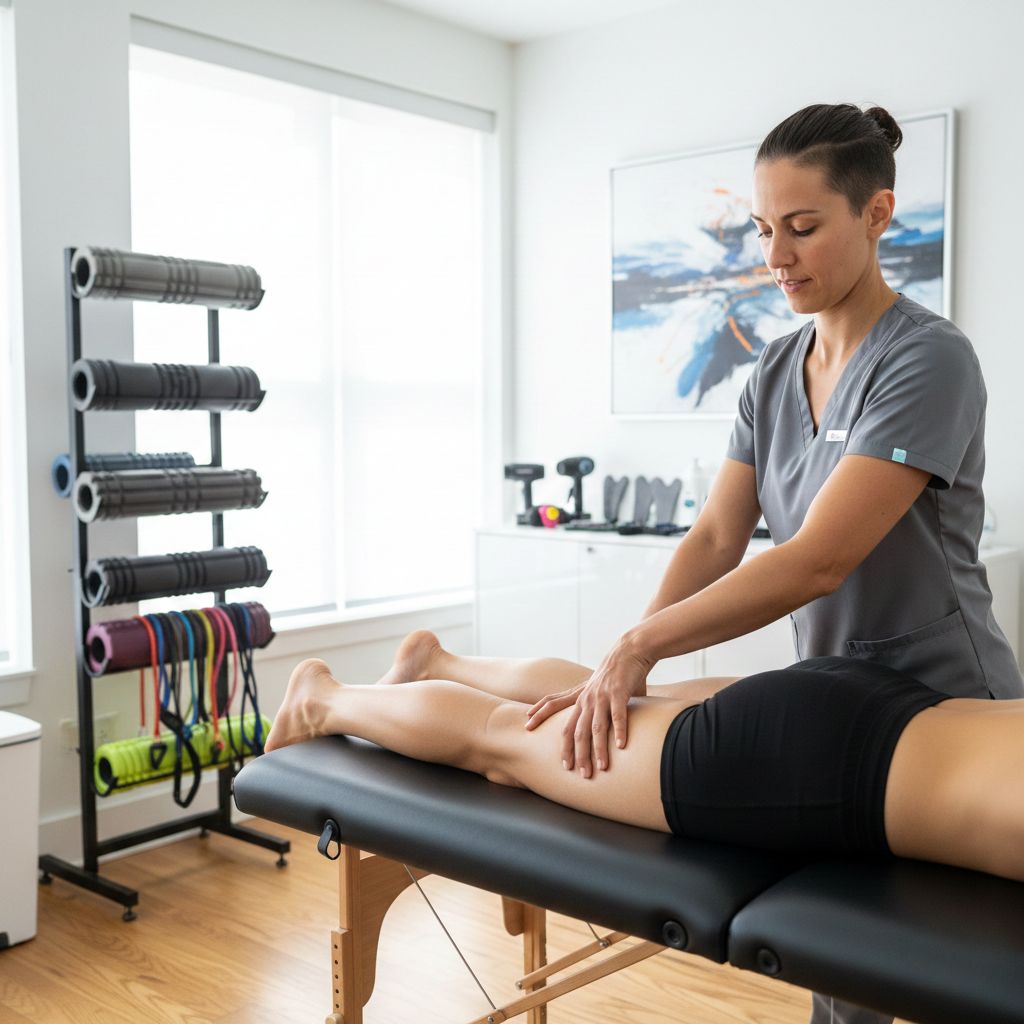
Massage Therapy for Athletes: Benefits and Techniques

For anyone serious about their fitness journey, recovery is just as important as the workout itself. While most people focus on perfecting their form, tracking macros, and pushing for one more rep, many overlook one of the most powerful tools in an athlete’s arsenal: massage therapy.
Whether someone is training for a marathon, hitting the gym five days a week, or just trying to stay active, understanding how massage therapy can enhance performance and recovery can be a game-changer.
Understanding Athletic Massage Therapy
Athletic massage therapy goes far beyond the relaxing spa experience most people envision. It’s a targeted, purposeful approach to treating the body’s soft tissues with the specific needs of active individuals in mind. Unlike general relaxation massage, athletic massage focuses on preventing injuries, improving flexibility, reducing muscle tension, and speeding up recovery time.
The practice has deep roots in sports medicine, with professional athletes relying on massage therapists as essential members of their support teams. However, one doesn’t need to be a professional athlete to benefit from these techniques. Anyone who regularly engages in physical activity, from weekend warriors to serious gym enthusiasts, can experience significant improvements in their training and recovery through proper massage therapy.

60-Day Money-Back Guarantee
Cancel anytime, no commitments
60-Day Money-Back Guarantee
Cancel anytime, no commitments

60-Day Money-Back Guarantee
Cancel anytime, no commitments
The Science Behind Massage for Active Bodies
When someone engages in intense physical activity, their muscles undergo microscopic damage. This is actually a normal part of the muscle-building process, but it also leads to inflammation, soreness, and temporary performance decreases. Massage therapy works at a cellular level to address these issues.
Research has shown that massage helps flush out metabolic waste products like lactic acid that accumulate during exercise. It also increases blood flow to muscles, delivering fresh oxygen and nutrients needed for repair. Additionally, massage has been found to reduce cortisol levels while increasing serotonin and dopamine, creating a hormonal environment that supports recovery and reduces stress.
Perhaps most importantly, massage therapy affects the fascia, the connective tissue that surrounds muscles and organs throughout the body. When fascia becomes tight or restricted, it can limit range of motion and create trigger points that refer pain to other areas. Targeted massage techniques can release these restrictions, improving overall movement quality and reducing injury risk.
Key Benefits for Those Who Train Hard
Enhanced Recovery and Reduced Soreness
Anyone who has experienced delayed onset muscle soreness (DOMS) knows how debilitating it can be. That stiffness and pain that peaks 24-72 hours after a tough workout can interfere with daily activities and subsequent training sessions. Regular massage therapy has been shown to significantly reduce the severity and duration of DOMS, allowing for more consistent training schedules.
The increased circulation that massage provides helps clear out inflammatory substances while delivering the building blocks muscles need to repair themselves. This means someone can potentially return to training sooner and with less discomfort than they would without massage intervention.
Improved Flexibility and Range of Motion
Tight muscles don’t just feel uncomfortable; they can seriously impact performance and increase injury risk. When muscles are chronically tense, they pull on joints and limit the body’s natural range of motion. This can lead to compensatory movement patterns that stress other areas of the body.
Massage therapy works to lengthen muscle fibers and release tension in both the muscles and surrounding fascia. Over time, this can lead to noticeable improvements in flexibility. For someone trying to achieve a deeper squat, reach a new personal record in their deadlift, or simply touch their toes, regular massage can help break through those barriers.
Injury Prevention
Perhaps one of the most valuable benefits of massage therapy is its role in preventing injuries before they occur. By identifying areas of tension, adhesions, or muscle imbalances early, a skilled massage therapist can help address problems before they become serious injuries that sideline training for weeks or months.
Massage also helps maintain healthy tissue quality. Muscles that are regularly worked on tend to be more supple and resilient, better able to handle the demands of intense training. This is particularly important for those who train frequently or participate in repetitive activities that can lead to overuse injuries.
Mental Recovery and Stress Reduction
The mental demands of consistent training shouldn’t be underestimated. Between balancing workouts with work, family, and other obligations, stress can accumulate and actually impair recovery. Massage therapy provides a dedicated time for mental relaxation, activating the parasympathetic nervous system responsible for the body’s “rest and digest” functions.
This mental recovery component is crucial for long-term training success. Athletes who manage stress effectively tend to have better hormone profiles, sleep quality, and overall recovery capacity. The relaxation response triggered by massage therapy complements the physical benefits, creating a comprehensive recovery experience.
Enhanced Performance
All of these benefits ultimately contribute to improved athletic performance. When someone recovers faster, moves better, stays injury-free, and manages stress effectively, they can train more consistently and intensely. This creates a positive feedback loop where massage therapy supports training, which leads to better results, which motivates continued dedication to both training and recovery practices.
Essential Massage Techniques for Athletes
Sports Massage
Sports massage is the most commonly known technique in athletic circles. It combines various methods including effleurage (long gliding strokes), petrissage (kneading), and friction to address muscle tension and promote recovery. Sports massage can be adapted for different purposes: pre-event sessions focus on warming up muscles and preparing them for activity, while post-event sessions emphasize flushing out metabolic waste and reducing inflammation.
Deep Tissue Massage
When someone has chronic tension or persistent knots, deep tissue massage can provide relief where lighter techniques fall short. This approach uses slower strokes and more direct pressure to reach deeper layers of muscle and fascia. While it can be intense, deep tissue massage is particularly effective for breaking up adhesions and releasing trigger points that have developed over time.
It’s important to note that deep tissue doesn’t necessarily mean painful. A skilled therapist will work within the client’s tolerance level, using just enough pressure to create change without causing excessive discomfort or bruising.
Trigger Point Therapy
Trigger points are hyperirritable spots in muscle tissue that can refer pain to other areas of the body. For example, a trigger point in the upper trapezius might cause headaches, while one in the gluteus medius could create sensations down the leg that mimic sciatica. Trigger point therapy involves applying sustained pressure to these points until they release.
For athletes, addressing trigger points can resolve mysterious pains and improve movement patterns. Someone struggling with knee pain during squats might actually have trigger points in their quadriceps or IT band that need attention rather than a true knee injury.
Myofascial Release
Myofascial release focuses specifically on the fascia, using sustained pressure and stretching to release restrictions in this connective tissue network. Unlike massage techniques that primarily target muscles, myofascial release addresses the three-dimensional web of fascia that can become stuck or dehydrated.
This technique is particularly valuable for those with postural issues or movement restrictions that haven’t responded to other interventions. Myofascial release can be performed by a therapist or, in some forms, practiced as self-massage using tools like foam rollers or massage balls.
Active Release Technique (ART)
Active Release Technique is a patented system that combines precise touch with specific movements. The therapist locates areas of scar tissue or adhesions, applies tension to the tissue, and then has the client move the affected body part through its range of motion. This combination of pressure and movement helps break up adhesions and restore proper tissue function.
ART has become particularly popular among serious athletes because it can address specific functional problems. For someone whose shoulder mobility is limiting their overhead press, ART might provide more targeted relief than general massage.
Percussion Therapy
A relatively recent addition to the massage therapy toolkit, percussion therapy uses rapid tapping motions to stimulate muscles and fascia. While traditionally performed by hand, the development of percussion massage devices (like massage guns) has made this technique more accessible for self-treatment.
Percussion therapy can quickly reduce muscle tension, improve circulation, and provide a form of neuromuscular re-education. Many athletes incorporate percussion devices into their warm-up or cool-down routines as a complement to professional massage sessions.
Comparing Different Massage Approaches
| Technique | Primary Focus | Best For | Intensity Level | Session Duration |
|---|---|---|---|---|
| Sports Massage | Overall recovery and preparation | General athletic needs | Moderate | 30-90 minutes |
| Deep Tissue | Chronic tension and adhesions | Persistent problem areas | Moderate to High | 60-90 minutes |
| Trigger Point Therapy | Specific pain referral patterns | Mysterious or referred pain | High (localized) | 30-60 minutes |
| Myofascial Release | Fascial restrictions | Movement limitations | Low to Moderate | 60-90 minutes |
| Active Release Technique | Functional movement issues | Specific performance problems | Moderate to High | 30-60 minutes |
| Percussion Therapy | Quick tension relief | Pre/post workout, frequent use | Variable | 5-15 minutes per area |
Timing Massage Sessions for Optimal Results
When someone gets massage therapy matters almost as much as the techniques used. Understanding the best timing can maximize benefits and support training goals.
Pre-Event Massage
For those preparing for a competition or particularly challenging workout, a pre-event massage should be scheduled 30 minutes to 2 hours beforehand. These sessions are typically shorter (15-30 minutes) and focus on stimulating circulation, warming up muscles, and promoting mental focus. The touch is generally brisk and energizing rather than deeply relaxing, as the goal is to prepare the body for activity rather than induce sleep.
Post-Event Massage
After intense training or competition, a post-event massage can help kickstart recovery. These sessions might occur within a few hours of activity and focus on flushing out metabolic waste, reducing inflammation, and preventing excessive muscle soreness. The pressure is usually lighter than in maintenance sessions, as muscles are already fatigued and potentially damaged.
Maintenance and Recovery Sessions
Most athletes benefit most from regular maintenance massage scheduled during their training cycles. Timing these sessions based on training intensity works best. After particularly hard training blocks, scheduling a massage 24-48 hours later can optimize recovery. For someone training consistently, weekly or bi-weekly sessions often provide the best results.
It’s generally recommended to avoid deep or intense massage immediately before important training sessions or events, as the body needs time to process the treatment and may feel temporarily fatigued afterward.
Self-Massage Techniques to Complement Professional Treatment
While professional massage therapy provides the most comprehensive benefits, incorporating self-massage into a regular routine can extend those benefits and provide relief between professional sessions.
Foam Rolling
Foam rolling has become ubiquitous in gyms for good reason. This form of self-myofascial release helps maintain tissue quality and can be done before or after workouts. The key is to roll slowly, spending extra time on tender areas while breathing deeply and allowing muscles to relax.
Different foam roller densities serve different purposes. Softer rollers work well for beginners or very sensitive areas, while firmer rollers provide deeper pressure for those who are accustomed to the sensation.
Massage Ball Work
Massage balls, including lacrosse balls and specialized therapy balls, allow for more targeted self-treatment than foam rollers. These tools can reach areas that are difficult to address with a roller, such as the feet, chest, and upper back. Leaning against a wall or lying on the floor, someone can apply controlled pressure to specific trigger points or tight muscles.
Percussion Devices
Handheld percussion massage devices have revolutionized self-care for athletes. These tools provide rapid vibration that can quickly release muscle tension and improve circulation. They’re particularly useful for pre-workout activation or post-workout recovery. When using these devices, it’s important to avoid bony areas and not apply excessive pressure, letting the tool do the work.
Manual Self-Massage
Simple self-massage using hands can be effective for accessible areas like the forearms, calves, and thighs. Using techniques like compression, kneading, and stripping (applying pressure while moving along the muscle), someone can address tension and improve circulation. Adding massage oil or lotion can make the process more comfortable and effective.
Choosing the Right Massage Therapist
Not all massage therapists are equally equipped to work with athletes and active individuals. Finding the right professional can make a significant difference in results.
Credentials to Look For
Licensed Massage Therapists (LMTs) have completed accredited training programs and passed licensing exams. Beyond basic licensure, look for therapists with additional certifications relevant to sports massage, such as:
- Certified Sports Massage Therapist
- Active Release Technique certification
- Graston Technique certification
- Neuromuscular Therapy training
- Continuing education in athletic performance and injury rehabilitation
Experience with Active Clients
A therapist who regularly works with athletes will better understand the specific demands of training and how to tailor treatment accordingly. They’ll recognize common injury patterns, understand periodized training cycles, and know how to adjust pressure and techniques based on someone’s training schedule.
Communication and Assessment Skills
The best sports massage therapists don’t just work on muscles; they assess movement patterns, ask about training history, and adjust their approach based on individual needs. During an initial consultation, a quality therapist should ask about training goals, injury history, current pain or limitations, and what someone hopes to achieve through massage therapy.
Integration with Other Professionals
Ideally, a massage therapist should be willing to communicate with other members of someone’s support team, such as coaches, physical therapists, or athletic trainers. This collaborative approach ensures everyone is working toward the same goals and can adjust their interventions based on how the body is responding.
Incorporating Massage into a Training Program
For massage therapy to provide maximum benefit, it needs to be integrated thoughtfully into an overall training and recovery plan rather than treated as an occasional luxury.
Frequency Recommendations
For serious athletes training intensely, weekly massage sessions often provide optimal results. Those with moderate training schedules might benefit from sessions every two weeks, while recreational exercisers might find monthly sessions sufficient to maintain tissue quality and address minor issues before they become problems.
During particularly intense training blocks or competition preparation, increasing frequency to twice weekly can support enhanced recovery needs. Conversely, during deload weeks or recovery phases, reducing frequency allows the body to adapt without excessive intervention.
Budgeting for Regular Treatment
Massage therapy is an investment in performance and longevity. While costs vary by location and therapist experience, typical sports massage sessions range from $60-$150 per hour. Many therapists offer package deals that reduce the per-session cost for those committing to regular appointments.
For those on a tight budget, consider prioritizing professional massage during the most demanding phases of training while relying more heavily on self-massage tools during easier periods. Some insurance plans or health savings accounts may cover massage therapy when prescribed by a physician for specific conditions.
Tracking Progress and Results
Keeping notes about massage sessions can help identify what works best. Record details like which techniques were used, areas of focus, how the body felt during and after treatment, and any changes in performance or pain levels. This information helps both the individual and their therapist refine the approach over time.
Common Mistakes to Avoid
Even with good intentions, people sometimes approach massage therapy in ways that limit its effectiveness or even create problems.
Ignoring Pain Signals
While some discomfort during deep work is normal, excessive pain is counterproductive. When the body experiences pain, it naturally tenses up as a protective mechanism, which defeats the purpose of massage. Communication with the therapist about pressure levels is essential. A good rule of thumb is that discomfort should stay at a 6-7 out of 10 on a pain scale, never higher.
Neglecting Hydration
Massage therapy releases metabolic waste products into the bloodstream, which need to be filtered and eliminated by the kidneys. Failing to drink adequate water after a session can lead to increased soreness and sluggishness. Plan to drink extra water in the hours following massage therapy.
Scheduling Inappropriately
Getting an intense deep tissue massage the day before a competition or max effort training session is poor planning. The body needs time to process the treatment, and muscles may feel temporarily weakened or sore. Similarly, scheduling a relaxing massage right before needing to perform can leave someone feeling too mellow for optimal performance.
Expecting Immediate Fixes
While massage can provide significant relief, chronic issues developed over months or years won’t disappear in a single session. Approaching massage therapy with realistic expectations and patience for the process leads to better outcomes than expecting miraculous instant results.
The Future of Massage Therapy for Athletes
As sports science continues to evolve, so do massage therapy techniques and technologies. Emerging trends include:
- Technology Integration: Apps that track tissue quality and recovery metrics, helping optimize massage timing and techniques
- Specialized Tools: Continued development of self-massage devices with improved ergonomics and effectiveness
- Research-Based Protocols: Growing scientific evidence supporting specific approaches for different sports and injury types
- Integrated Care Models: More collaboration between massage therapists, physical therapists, strength coaches, and medical professionals
- Personalized Approaches: Using individual assessment data to customize massage protocols for optimal results

No Needles or Prescriptions
Free delivery on orders over $100

No Needles or Prescriptions
Free delivery on orders over $100

No Needles or Prescriptions
Free delivery on orders over $100
Making Massage Therapy Work for You
Massage therapy represents one of the most effective tools available for supporting athletic performance and longevity. Whether someone is training for their first 5K or pursuing elite-level competition, incorporating regular massage into their recovery routine can help them train harder, recover faster, and stay injury-free longer.
The key is approaching massage therapy strategically rather than sporadically. By understanding the different techniques available, finding a qualified therapist who specializes in working with active individuals, and integrating sessions thoughtfully into a training plan, anyone can harness the power of massage to elevate their fitness journey.
For those serious about their training, massage therapy isn’t a luxury or an afterthought—it’s an essential component of a comprehensive approach to athletic development. The body works hard to meet the demands placed on it; giving it the support it needs through skilled massage therapy is one of the best investments anyone can make in their athletic future.
Discover more from Maximize Workouts
Subscribe to get the latest posts sent to your email.