We’re reader-supported. This means when you buy through links on our site, we may earn an affiliate commission.
Bodybuilding is about more than just building muscle. For many lifters, one of the biggest frustrations is carrying stubborn belly fat even while training hard and eating what feels like a clean diet.
The good news is that reducing belly fat while bodybuilding is completely possible, but it requires a combination of smart training, disciplined nutrition, and patience. This article breaks down exactly how bodybuilders can shed belly fat without losing the muscle they’ve worked so hard to build.
Why Belly Fat Is Different for Bodybuilders
Bodybuilders face a unique challenge. Unlike someone who simply wants to lose weight, bodybuilders need to lose fat while preserving, or even continuing to build, lean muscle mass. This makes the process slower and more strategic than a typical weight loss plan.
Belly fat tends to be one of the last areas to shrink for most people because of genetics, hormone levels, and stress. Cortisol, the body’s primary stress hormone, is closely linked to fat storage around the midsection.
This means that even bodybuilders who train intensely and eat well can still struggle with belly fat if their stress levels, sleep quality, or recovery are not managed properly.
Understanding this helps set realistic expectations. Spot reduction, or losing fat from just one area of the body, is a myth. Belly fat comes off as part of an overall fat loss process, not through endless ab exercises alone.
The Role of Diet in Reducing Belly Fat
Nutrition is the foundation of any successful fat loss journey, and bodybuilding is no exception. Training hard in the gym will not outweigh a poor diet.
Caloric Balance Still Rules
To lose fat, the body needs to be in a caloric deficit, meaning it burns more calories than it consumes. However, for bodybuilders, this deficit needs to be moderate. A deficit that is too aggressive can lead to muscle loss, fatigue, and hormonal issues.
A good starting point is a 300 to 500 calorie deficit per day. This allows for steady fat loss while minimizing muscle breakdown.
Protein Intake Matters Most
Protein is the most important macronutrient for anyone trying to lose fat while maintaining muscle. It helps preserve lean tissue during a calorie deficit and keeps hunger under control.
- Aim for roughly 0.8 to 1 gram of protein per pound of body weight
- Spread protein intake evenly across meals
- Include lean sources such as chicken, fish, eggs, tofu, and lean beef
Manage Carbohydrates and Fats Wisely
Carbohydrates are not the enemy, but timing and portion control matter. Many bodybuilders find success by consuming more carbs around workouts, when the body can use them most efficiently for energy and recovery.
Healthy fats should not be ignored either, since they support hormone production, which plays a role in fat metabolism and muscle growth.
Cut Down on Processed Foods and Alcohol
Processed foods high in sugar and refined carbs can contribute to belly fat storage, especially when combined with a sedentary lifestyle. Alcohol is another major factor, as it is calorie dense, disrupts sleep, and can increase cortisol levels, all of which make belly fat harder to lose.
Training Strategies to Reduce Belly Fat
While diet plays the biggest role, training strategy also matters when it comes to shedding belly fat while maintaining a muscular physique.
Keep Strength Training as the Priority
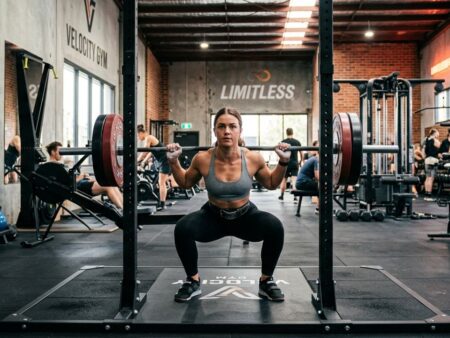
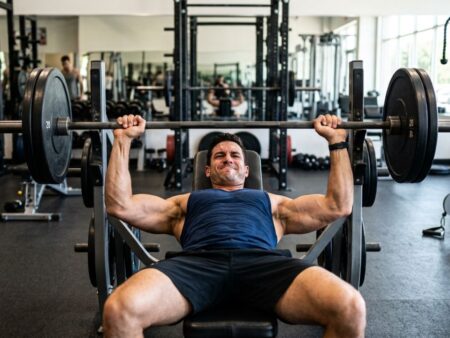
Lifting weights should remain the core of a bodybuilder’s routine, even during a fat loss phase. Maintaining strength signals to the body that muscle is still needed, which helps prevent it from being broken down for energy.
- Continue training all major muscle groups
- Keep intensity relatively high, even if volume is slightly reduced
- Prioritize compound movements like squats, deadlifts, and presses
Add Strategic Cardio
Cardio can help create the calorie deficit needed for fat loss, but it should be used strategically rather than excessively.
- Low intensity steady state cardio, such as walking or light cycling, is easy to recover from and helps burn extra calories
- High intensity interval training can be effective in shorter sessions and may help preserve muscle better than long cardio sessions
- Cardio should not replace strength training, but complement it
Avoid Overtraining
More is not always better. Excessive training combined with a calorie deficit can spike cortisol levels, disrupt sleep, and slow down fat loss, especially around the belly. Rest days and proper recovery are just as important as workouts themselves.
The Hormonal Connection to Belly Fat
Hormones play a significant role in where the body stores fat and how easily it releases it. Bodybuilders looking to reduce belly fat should pay attention to the following:
Cortisol and Stress
Chronic stress leads to elevated cortisol levels, which can promote fat storage around the abdomen. Managing stress through proper sleep, relaxation techniques, and avoiding overtraining can make a noticeable difference.
Insulin Sensitivity
Poor insulin sensitivity can make it harder for the body to use carbohydrates efficiently, leading to more fat storage. Strength training, consistent meal timing, and reducing processed sugar intake can improve insulin sensitivity over time.
Sleep Quality
Sleep is often underestimated in bodybuilding circles, yet it directly affects hormone regulation, recovery, and appetite control. Poor sleep increases hunger hormones and cortisol, making fat loss, particularly belly fat loss, much harder.
Sample Weekly Approach for Reducing Belly Fat
Below is a simple table showing how a bodybuilder might structure a week that balances strength training, cardio, and recovery while working on fat loss.
| Day | Focus | Notes |
|---|---|---|
| Monday | Upper body strength training | Compound lifts, moderate volume |
| Tuesday | Lower body strength training | Focus on squats and deadlifts |
| Wednesday | Light cardio or active recovery | Walking or cycling for 30 to 40 minutes |
| Thursday | Push day strength training | Chest, shoulders, triceps |
| Friday | Pull day strength training | Back and biceps |
| Saturday | High intensity interval training | Short, intense cardio session |
| Sunday | Rest and recovery | Sleep, stretching, meal prep |
This structure keeps strength training as the priority while incorporating cardio in a way that supports fat loss without overwhelming the body.
Common Mistakes Bodybuilders Make When Trying to Lose Belly Fat
Even experienced lifters can fall into habits that slow down progress. Being aware of these common mistakes can help avoid unnecessary setbacks.
- Cutting calories too aggressively, which leads to muscle loss and fatigue
- Doing excessive cardio while neglecting strength training
- Ignoring sleep and recovery, which affects hormone balance
- Relying only on ab exercises to target belly fat specifically
- Underestimating liquid calories from alcohol or sugary drinks
- Being impatient and expecting fast results instead of steady progress
The Importance of Patience and Consistency
Reducing belly fat while maintaining muscle mass is a slow and steady process. It is not uncommon for visible changes to take several weeks or even months, especially for those with a naturally higher body fat percentage or slower metabolism.
Consistency in training, nutrition, sleep, and stress management will always outperform short term extreme measures. Bodybuilders who track their progress through photos, measurements, and performance in the gym, rather than just the scale, often stay more motivated throughout the process.
Tracking Progress the Right Way
Since muscle and fat can shift at the same time, the scale alone does not tell the full story. Helpful tracking methods include:
- Progress photos taken every one to two weeks in similar lighting and poses
- Body measurements around the waist, chest, and hips
- Strength performance in the gym to ensure muscle is being maintained
- How clothes fit over time
Supplements and Belly Fat: What Actually Helps
While no supplement can replace proper diet and training, some may offer modest support.
- Caffeine can slightly boost metabolism and improve workout performance
- Protein powder can help meet daily protein goals more easily
- Fiber supplements can support digestion and help control appetite
It is important to approach fat burning supplements with realistic expectations, as most have minimal impact compared to proper training and nutrition.
Final Thoughts
Reducing belly fat while bodybuilding is entirely achievable, but it requires a balanced approach rather than extreme measures. Prioritizing strength training, maintaining a moderate calorie deficit, eating enough protein, managing stress, and getting quality sleep all work together to support fat loss while preserving hard earned muscle.
Belly fat may be one of the more stubborn areas for many people, but with consistency and patience, it responds to the same principles that drive overall fat loss. Bodybuilders who stay disciplined with their training and nutrition, while also respecting recovery and hormone health, will see steady progress over time.
Disclaimer: The information provided on this website is for educational and informational purposes only and is not intended as medical advice. Always consult a qualified healthcare professional before starting any exercise program, changing your diet, or using supplements.