We’re reader-supported. This means when you buy through links on our site, we may earn an affiliate commission.
Cutting season separates the people who talk about getting shredded from the people who actually do it. Whether someone is prepping for a bodybuilding show, chasing a beach-ready physique, or simply trying to drop body fat while holding onto hard earned muscle, a cutting phase demands discipline.
Nutrition and training will always be the backbone of any successful cut, but the right supplements can make the process smoother, more sustainable, and a lot less miserable.
This article breaks down the supplements that actually help during a cut, how they work, and why some popular products are simply not worth the money.
Understanding What a Cut Actually Requires
Before diving into supplements, it helps to understand what the body is going through during a cut. A cutting phase means eating in a calorie deficit while trying to preserve lean muscle mass. This is a delicate balancing act. Eat too aggressively in a deficit and the body starts burning muscle along with fat. Eat too conservatively and progress stalls.
Supplements are not magic. They will not replace a solid training program or a well structured diet. What they can do is support the body through the specific challenges of a cut, including:
- Preserving muscle tissue when calories are limited
- Managing hunger and cravings
- Maintaining energy and workout performance
- Supporting recovery when the body has fewer resources to work with
- Filling in nutritional gaps that come from eating less food overall
With that foundation in mind, here are the supplements worth considering.
Protein Powder
Protein is the single most important nutrient during a cut, and protein powder makes hitting daily targets far easier without needing to cook and eat massive amounts of chicken breast every day.
During a calorie deficit, protein needs actually go up, not down. Research consistently shows that higher protein intake helps preserve lean muscle mass while dieting, and it also does wonders for satiety, which makes staying in a calorie deficit far more manageable.
Why Protein Powder Works So Well During a Cut
- It is calorie efficient, delivering a high amount of protein for relatively few calories
- It is convenient for people with busy schedules or limited access to a kitchen
- It helps curb appetite between meals
- Whey, casein, and plant based options all work, so it can fit almost any dietary preference
A simple scoop of whey isolate mixed with water is often enough to close the gap between what someone eats through whole foods and what their body actually needs.
Creatine Monohydrate
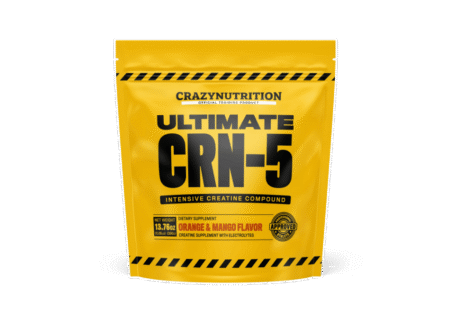
Creatine gets unfairly dropped during cutting phases because people worry about water retention or think it is only useful for bulking. This is a mistake. Creatine remains one of the most well researched and effective supplements for maintaining strength and muscle during a calorie deficit.
When calories are restricted, workout performance naturally dips. Creatine helps offset this by supporting the energy systems used during resistance training, which allows lifters to maintain strength and training intensity even while eating less. Since preserving strength is directly tied to preserving muscle, creatine plays a supporting role in keeping a physique looking full and strong throughout a cut.
A standard dose of three to five grams daily, taken consistently, is all that is needed. There is no requirement to cycle off creatine during a cut.
Caffeine
Cutting often comes with fatigue, especially in the final weeks of a diet when calories are lowest. Caffeine is one of the most reliable tools for combating that fatigue and keeping training sessions productive.
Caffeine can improve focus, reduce perceived effort during workouts, and even provide a mild boost to fat oxidation. It is also widely available and inexpensive, whether through coffee, tea, or a pre workout supplement.
Things to Keep in Mind With Caffeine
- Tolerance builds quickly, so cycling intake can help maintain its effectiveness
- Too much caffeine late in the day can interfere with sleep, which is already a common issue during a cut
- Combining caffeine with other stimulants should be done cautiously to avoid overstimulation
Fiber Supplements
Fiber does not get much attention in supplement discussions, but during a cut it becomes incredibly valuable. Eating in a deficit often means eating less food overall, which can leave people feeling hungry and unsatisfied.
Fiber slows digestion, promotes fullness, and supports healthy digestion, which can become sluggish when calorie and food intake drops. A fiber supplement, such as psyllium husk, can help someone feel more satisfied on fewer calories, making the entire diet easier to stick to.
Omega-3 Fatty Acids
Cutting diets often reduce total fat intake, which can lead to a drop in omega-3 consumption. Omega-3 fatty acids, commonly found in fish oil supplements, support joint health, reduce inflammation, and may even help support fat metabolism.
Since training volume often stays high during a cut while recovery resources are more limited, reducing unnecessary inflammation becomes especially useful. Omega-3s also support cardiovascular health and brain function, both of which can take a hit when someone is under the mental and physical stress of a prolonged diet.
Multivitamins
Eating fewer calories almost always means eating fewer micronutrients, even with a well planned diet. A quality multivitamin can help cover any gaps in vitamin and mineral intake, supporting overall health, energy levels, and immune function during a time when the body is already under additional stress.
This is not a supplement that will directly build muscle or burn fat, but it plays a supporting role in keeping the body functioning properly through a demanding phase.
Branched Chain Amino Acids and Essential Amino Acids
BCAAs and EAAs have become somewhat controversial in the fitness community because research shows that if someone is already eating enough total protein, these supplements offer limited additional benefit.
That said, they can still serve a purpose during a cut, particularly for people training fasted or during long training sessions where a quick source of amino acids can help reduce muscle breakdown. They can also be a useful, low calorie way to sip on something flavorful during a workout when appetite is low and motivation is lower.
Fat Burners and Thermogenics
Fat burner supplements are heavily marketed during cutting season, and while some ingredients within them have research behind their effectiveness, they are far from essential.
Most fat burners rely on stimulants like caffeine, green tea extract, and other thermogenic compounds. These may provide a small boost to metabolism or appetite suppression, but the effect size is modest at best. Anyone considering a fat burner should view it as a minor addition to an already solid nutrition and training plan, not a shortcut around hard work.
Electrolytes
As carbohydrate intake drops and water intake fluctuates, especially for people using diuretics or manipulating water for a show, electrolyte balance can become disrupted. This can lead to cramping, fatigue, headaches, and reduced training performance.
An electrolyte supplement, or simply adding a pinch of salt and mineral rich foods to the diet, can help maintain hydration and performance throughout a cut.
Comparing Common Cutting Supplements
| Supplement | Primary Benefit During a Cut | Essential or Optional |
|---|---|---|
| Protein Powder | Preserves muscle, controls hunger | Essential |
| Creatine Monohydrate | Maintains strength and training performance | Essential |
| Caffeine | Fights fatigue, supports focus | Highly Recommended |
| Fiber Supplements | Improves fullness and digestion | Recommended |
| Omega-3 Fatty Acids | Reduces inflammation, supports joints | Recommended |
| Multivitamin | Fills micronutrient gaps | Recommended |
| BCAAs/EAAs | Minor muscle preservation support | Optional |
| Fat Burners | Small metabolic or appetite boost | Optional |
| Electrolytes | Prevents cramping and fatigue | Situational |
Building a Simple Cutting Supplement Stack
For someone who wants to keep things simple without overspending on unnecessary products, a basic and effective cutting stack could include the following:
- A protein powder to help hit daily protein targets
- Creatine monohydrate taken daily
- Caffeine before training sessions
- A multivitamin to cover nutritional gaps
- Fish oil for joint support and overall health
This covers the core needs of a cutting phase without falling into the trap of buying every trendy product on the market.
Common Mistakes People Make With Cutting Supplements
Many people sabotage their cutting results not because they lack the right supplements, but because of how they use them.
Relying on Supplements Instead of Diet
No supplement can outwork a poor diet. Supplements are meant to support an already solid nutrition plan, not replace one. Someone who is not tracking food intake or eating in a proper deficit will not see meaningful results from supplements alone.
Overspending on Fat Burners
Fat burners are often the most heavily marketed and least necessary supplement on this list. Money is usually better spent on quality food, protein powder, or creatine.
Ignoring Sleep and Stress Management
Supplements cannot fix poor sleep or chronic stress, both of which can sabotage fat loss and muscle retention just as much as diet mistakes can. Prioritizing recovery is just as important as any pill or powder.
Cutting Too Aggressively
Some people try to speed up their cut by dropping calories too low and relying on stimulants to push through fatigue. This often backfires, leading to muscle loss, poor performance, and burnout. A moderate, sustainable deficit paired with smart supplementation almost always produces better long term results.
Final Thoughts
Supplements can genuinely make a cutting phase more manageable, but they work best as tools that support a well built training and nutrition plan, not as replacements for one.
Protein powder and creatine stand out as the most valuable additions, with caffeine, fiber, omega-3s, and a multivitamin rounding out a solid, no-nonsense approach.
Fancy fat burners and trendy products might promise shortcuts, but consistency in training, eating, and recovery will always be what determines success during a cut.
Anyone looking to get the most out of their cutting phase should focus on the basics first, then layer in supplements strategically to support their goals rather than chase quick fixes.
Disclaimer: The information provided on this website is for educational and informational purposes only and is not intended as medical advice. Always consult a qualified healthcare professional before starting any exercise program, changing your diet, or using supplements.