We’re reader-supported. This means when you buy through links on our site, we may earn an affiliate commission.
Anyone who has walked into a gym or scrolled through fitness content online has probably seen shelves stacked with protein powders, mass gainers, creatine tubs, and pre workout formulas. It is easy to assume that building serious muscle requires a cabinet full of supplements.
But the truth is simpler than the marketing suggests. Bulking, which means intentionally gaining weight and muscle through a calorie surplus and consistent training, does not require any supplement at all. Supplements can help make the process more convenient, but they are not the foundation of muscle growth. Food, training, recovery, and consistency are the real building blocks.
This article breaks down exactly how someone can bulk successfully without relying on supplements, what actually matters for muscle growth, and how to structure a realistic plan using whole foods and smart training.
What Actually Causes Muscle Growth
Before diving into whether supplements are necessary, it helps to understand what triggers muscle growth in the first place. Muscle growth, or hypertrophy, happens when three main factors come together consistently over time.
- Progressive overload: Gradually increasing the demands placed on muscles through more weight, more reps, or better technique.
- Sufficient protein intake: Giving the body enough raw material to repair and build new muscle tissue.
- Caloric surplus: Consuming more energy than the body burns so it has the resources to build new tissue instead of just maintaining what already exists.
None of these three factors require a supplement. Progressive overload comes from training. Protein and calories come from food. Supplements like protein powder or mass gainers are simply convenient ways to hit nutrition targets, especially for people with busy schedules or smaller appetites. They do not offer anything that whole food cannot also provide.
Why People Think Supplements Are Necessary
The supplement industry is massive, and a lot of marketing implies that products are essential rather than optional. Bodybuilders in magazines and on social media are often shown holding shaker bottles, which creates a subtle association between muscle and supplementation.
In reality, many of the most impressive physiques in history were built during eras when supplement science was far less advanced, or by people who simply could not afford extra products and relied entirely on food.
Supplements are tools, not requirements. Some are genuinely useful for convenience or performance, such as protein powder for hitting daily protein goals or creatine for strength and recovery. But usefulness is not the same as necessity. A person can absolutely gain quality muscle mass using only whole foods and a well structured training program.
Building a Bulking Diet With Whole Foods
The core of any successful bulk is nutrition. Without supplements, the focus shifts entirely to whole food sources that are rich in protein, carbohydrates, and healthy fats.
Protein Sources Without Supplements
Protein is the nutrient most associated with supplements, largely because of protein powder. However, whole foods can easily meet daily protein needs for muscle growth.
- Chicken breast and thighs
- Eggs and egg whites
- Lean beef and ground turkey
- Fish such as salmon, tuna, and tilapia
- Greek yogurt and cottage cheese
- Milk
- Beans, lentils, and chickpeas
- Tofu and tempeh
A general guideline for muscle growth is around 0.7 to 1 gram of protein per pound of body weight daily. Someone weighing 180 pounds might aim for roughly 130 to 180 grams of protein spread across the day. This is entirely achievable through food alone with a bit of planning.
Carbohydrates for Energy and Recovery
Carbohydrates fuel intense training sessions and help replenish glycogen stores so muscles can recover and grow. Good whole food carbohydrate sources include:
- Rice, both white and brown
- Oats
- Potatoes and sweet potatoes
- Whole grain bread and pasta
- Fruits such as bananas, berries, and apples
- Beans and legumes, which also add protein
Healthy Fats for Hormones and Calories
Fats are calorie dense, which makes them useful for hitting a surplus, and they also support hormone production, including testosterone, which plays a role in muscle growth. Whole food fat sources include:
- Avocados
- Olive oil and nut oils
- Nuts and seeds
- Fatty fish like salmon
- Whole eggs
- Nut butters
Sample Bulking Meal Plan Without Supplements
Below is an example of what a whole food bulking day might look like for someone with moderate calorie and protein needs. Portion sizes should be adjusted based on individual body weight, activity level, and goals.
| Meal | Food Choices | Approx. Protein |
|---|---|---|
| Breakfast | Four whole eggs, oats with banana and peanut butter | 30g |
| Snack | Greek yogurt with mixed berries and honey | 20g |
| Lunch | Grilled chicken breast, rice, mixed vegetables, olive oil | 40g |
| Snack | Cottage cheese with almonds and an apple | 25g |
| Dinner | Salmon or lean beef, sweet potato, salad | 35g |
| Evening Snack | Milk with whole grain toast and cheese | 20g |
This kind of eating pattern can easily provide 170 grams or more of protein along with enough carbohydrates and fats to support a calorie surplus, all without a single supplement.
Training Considerations for a Supplement Free Bulk
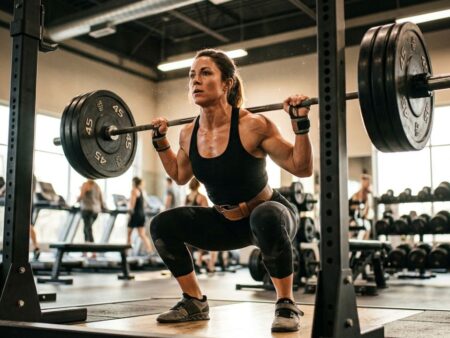
Nutrition provides the raw materials, but training is what tells the body to actually use them for muscle growth. A well designed training program matters more than any supplement ever could.
Focus on Compound Movements
Compound exercises work multiple muscle groups at once and allow for heavier loading, which makes them efficient for building overall size and strength.
- Squats
- Deadlifts
- Bench press
- Overhead press
- Pull ups and rows
Prioritize Progressive Overload
Muscles grow in response to increasing demands. This does not always mean adding more weight every single week. It can also mean adding an extra rep, improving form, slowing down the tempo, or reducing rest time slightly. The key is tracking workouts and making sure there is a gradual trend of improvement over weeks and months.
Allow Adequate Recovery
Muscles do not grow during the workout itself. They grow during rest, when the body repairs the microscopic damage caused by training. This means sleep and rest days are just as important as the workouts themselves. Aiming for seven to nine hours of sleep per night and allowing muscle groups at least 48 hours before training them again helps maximize growth.
The Role of Consistency Over Time
Perhaps the most underrated factor in bulking, with or without supplements, is simple consistency. Someone who eats a solid, protein rich diet and trains hard three to five times a week for a year will almost always outperform someone who takes every supplement available but trains inconsistently or eats poorly. Supplements cannot compensate for a lack of discipline in the kitchen or the gym.
Many people who struggle to bulk are not actually failing because they lack supplements. They are failing because they are not eating enough, not tracking their intake, or not training with enough intensity or consistency. Fixing these fundamentals will produce far better results than adding a supplement to an already flawed routine.
When Supplements Might Still Be Worth Considering
While supplements are not required, it is fair to acknowledge situations where they might offer real convenience.
- Busy schedules: A protein shake can be faster than preparing a full meal.
- Small appetites: Some people struggle to eat enough whole food to hit a calorie surplus, and calorie dense shakes can help.
- Budget for certain items: In some cases, buying whole food protein sources may cost more than a tub of protein powder, depending on location and pricing.
- Specific performance goals: Creatine, for example, has strong research support for improving strength and power output.
Even in these cases, supplements remain optional additions rather than essential components. Someone with a bigger appetite, more time to cook, and a solid meal plan may never need them at all.
Common Mistakes When Bulking Without Supplements
Avoiding a few common pitfalls can make a whole food bulk far more effective.
- Not eating enough overall: Whole foods are filling, and it is easy to underestimate calorie intake without tracking.
- Relying too heavily on one food group: A balanced mix of protein, carbs, and fats supports better performance and recovery than an unbalanced diet.
- Skipping meals due to a busy schedule: Missing meals makes it harder to hit daily protein and calorie targets.
- Ignoring hydration: Water plays a role in digestion, performance, and recovery, and is often overlooked.
- Neglecting sleep and stress management: Poor recovery habits can undermine even the best training and nutrition plan.
Tracking Progress Without Supplements
Since there is no shake or pill to rely on as a shortcut, tracking becomes even more important during a supplement free bulk. This includes:
- Weighing in consistently, such as once or twice a week under similar conditions
- Taking progress photos every few weeks to notice changes that the scale might not show
- Logging workouts to confirm progressive overload is happening
- Adjusting calorie intake if weight gain stalls or happens too quickly
A gradual weight gain of about 0.25 to 0.5 percent of body weight per week is generally considered a good pace for building mostly muscle rather than excess fat.
Final Thoughts
Bulking without supplements is not only possible, it is how people built muscle for generations before the modern supplement industry existed. The real drivers of muscle growth are a consistent calorie surplus, adequate protein from whole foods, progressive overload in training, and proper recovery.
Supplements can add convenience, but they are not magic and they are not mandatory. Anyone willing to plan their meals, train with intention, and stay consistent over time can absolutely build muscle successfully using whole foods alone.
Disclaimer: The information provided on this website is for educational and informational purposes only and is not intended as medical advice. Always consult a qualified healthcare professional before starting any exercise program, changing your diet, or using supplements.